High noon in the Karoo or a humid morning on the Umhlanga rocks... South African summers are notoriously bright. If you have ever tried to check your pace during a midday run only to see a dark, reflective slab on your wrist, you know the struggle. Choosing an AMOLED vs LCD smartwatch is the most critical decision you will make before heading outdoors this season. ⚡
Why Display Technology Matters Under the African Sun
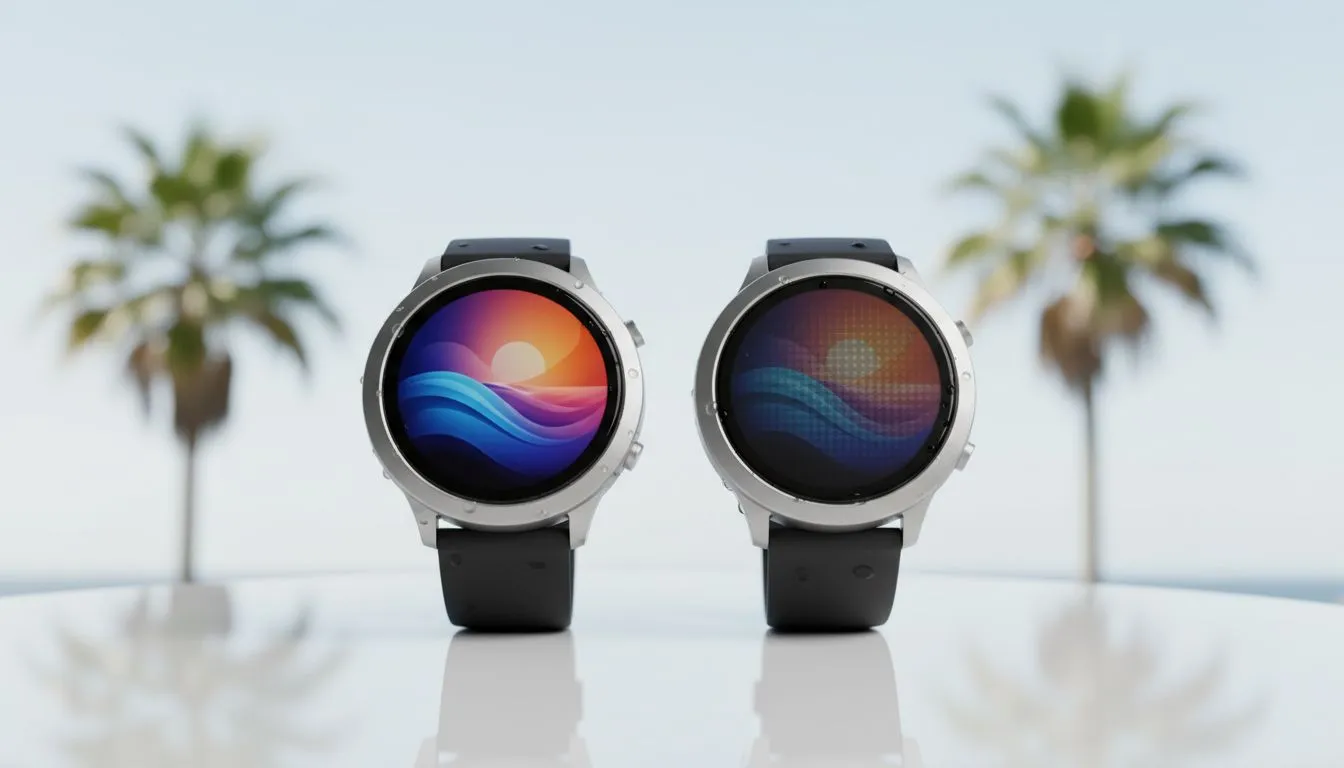
The South African sun is unforgiving. A standard screen often washes out when hit by direct UV rays. This makes your notifications impossible to read without finding shade. When comparing an AMOLED vs LCD smartwatch, the primary difference lies in how they produce light. LCDs use a backlight that illuminates the entire panel. AMOLED pixels produce their own light... allowing for much higher contrast ratios.
If you are looking for peak visibility during a weekend braai, you should browse the latest smart watches at Evetech to see the difference in person.
AMOLED: The King of Contrast and Colour
AMOLED screens are the gold standard for high-end wearables. Because each pixel can turn off completely, you get true blacks and vibrant colours that pop. This is particularly useful for "Always On" displays. In the heat of an SA summer, an AMOLED panel can often boost its brightness to incredible levels... cutting through the glare of the sun.
Outdoor Visibility Tip ☀️
To maximise your battery life during a long beach day, disable the 'Always On' feature and use 'Lift to Wake' instead. Even the best AMOLED screens consume significant power when fighting against direct sunlight at maximum brightness levels.
Many premium brands, including the Promate wearable range, utilise these vibrant displays to ensure your health data remains crisp and legible regardless of the ambient lighting.
LCD: The Reliable Budget Contender
LCD technology, specifically IPS panels, is still very relevant in the South African market. These screens are generally more affordable to manufacture. This makes them perfect for entry-level fitness trackers. While they might lack the "infinite" contrast of AMOLED, high-quality LCDs offer great colour accuracy and durability.
If you are shopping on a budget, you can find excellent smartwatches between R800 and R1000 that feature bright LCD panels. These devices offer incredible value for students or casual gym-goers who want the tech without the premium price tag. ✨
Battery Life and Longevity
The AMOLED vs LCD smartwatch debate also touches on battery efficiency. AMOLED is more efficient when using dark watch faces... because black pixels are essentially "off". However, if you prefer a bright, white watch face, an LCD might actually be more consistent in its power draw. In the South African heat, keeping your device cool is vital. Intense screen brightness generates heat... so choosing an efficient display helps maintain your battery's health over time. 🔧
Final Verdict for the SA Gamer
For the gamer who takes their hustle from the desk to the outdoors, AMOLED is usually the winner for sheer "wow" factor. But if you need a rugged, reliable daily driver that won't break the bank, modern LCDs have come a long way. Consider your typical day... are you mostly under office lights, or are you conquering hiking trails in the Magaliesberg? Your environment should dictate your choice. 🚀
Ready to Find Your Perfect Match?
The AMOLED vs LCD smartwatch debate comes down to your personal style and budget, but Evetech has the perfect fit for every South African wrist. Explore our massive range of smartwatch specials and find the perfect wearable to conquer your summer.