Picture this: you've just dropped serious cash on a beast of a gaming rig. The RGB is glowing, the fans are whispering... but your new 4K monitor is flickering. You check everything, but the culprit is the last thing you'd suspect: a cheap, no-name cable. It’s a classic scenario, and learning to avoid costly mistakes when buying cables is a crucial skill for any PC builder in South Africa. That flimsy wire can bottleneck your entire setup.
Why a Good Cable Is More Than Just a Wire 🔌
It's easy to see cables as the boring part of a build, but they are the lifelines of your PC. They carry every bit of data, every frame, and every watt of power between your expensive components. A premium cable ensures signal integrity, meaning your GPU's output reaches your monitor without corruption or data loss. This is especially vital for high refresh rates and resolutions. Making the right choice is the first step in preventing frustrating performance issues down the line.
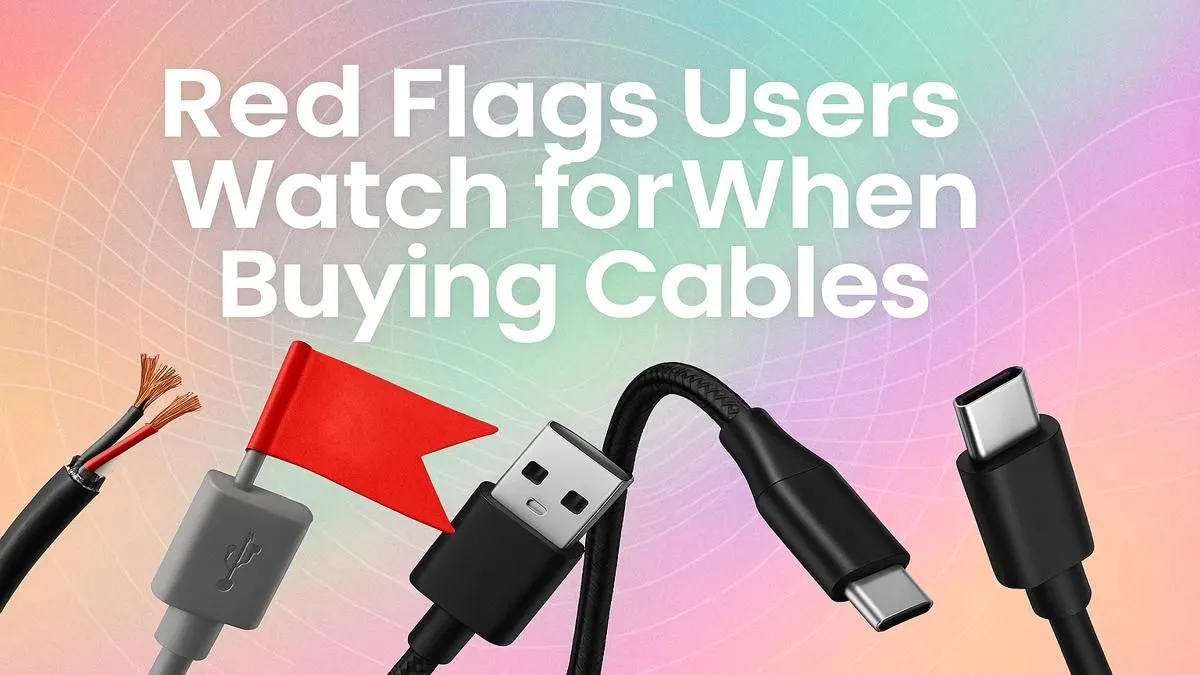
Red Flag #1: The "Too Good to Be True" Price 🚩
We all love a good deal, but when a cable costs less than a boerewors roll, you should be suspicious. Ultra-cheap cables almost always cut corners on essential materials. This often means thinner copper wires that can't handle the required power or data speeds, and poor shielding that fails to protect the signal from interference from other components. Spotting these red flags starts with a healthy dose of scepticism towards bargain-bin pricing.
Investing a little more in a quality product from a selection of comprehensive cable solutions ensures you get what you pay for: reliability.
Red Flag #2: Vague or Missing Specifications
A reputable cable manufacturer is proud of its specs and displays them clearly. If you're looking for an HDMI 2.1 cable for your 4K 120Hz display, the packaging or product page should state "HDMI 2.1" and list its capabilities. Watch out for vague terms like "High-Speed" or "4K Ready" without the official certification number. This ambiguity is a massive red flag and often hides an older, less capable standard.
Always check the details. Reputable brands like HP offer cables with clear specifications so you know exactly what performance to expect.
Check The Version Number!
Always match the cable to your hardware's port. A DisplayPort 1.4 port needs a DP 1.4 cable to unlock its full potential. Using an older DP 1.2 cable will limit your resolution and refresh rate, effectively kneecapping your expensive GPU and monitor.
Red Flag #3: Flimsy Build Quality
You can often spot a bad cable just by touching it. Does the connector feel loose or wobbly? Is the plastic housing brittle and cheap? Is the cable itself unusually thin or stiff? These are all physical signs of poor manufacturing. A good cable will have a snug, secure fit, durable connector moulding, and a robust yet flexible sheath.
A poorly made connector can not only fail but also damage the port on your motherboard or GPU—a truly costly mistake. Look for cables with reinforced connectors and durable braiding, like those found in the GIZZU cable lineup, for extra peace of mind and longevity. ✨
The Hidden Costs of Skimping on Cables
Ultimately, trying to save a few hundred Rand on cables can lead to much bigger problems. The potential costs include:
- Performance Bottlenecks: Your 10Gbps USB-C port running at 480Mbps speeds.
- Visual Artifacts: Flickering, screen tearing, or "sparkles" on your display.
- Data Corruption: Unstable connections can corrupt file transfers.
- Hardware Damage: A faulty power cable can potentially short-circuit components.
Learning how to avoid costly mistakes when buying cables isn't just about optimising performance; it's about protecting your entire investment.
Don't Let a Cable Bottleneck Your Build
Your rig is only as strong as its weakest link. Equip your setup with reliable, high-performance cables that deliver the speed and stability you paid for. Explore our range of Promate cables at Evetech and connect with confidence.