Heading into varsity or college is an exciting time, but let's be real: a slow laptop can ruin your day. Choosing from the best laptop storage options for South African students isn't just about space; it's about speed, reliability, and not having a meltdown before your assignment is due. That spinning wheel of death during loadshedding when you need to boot up fast? We've all been there. Let's make sure your tech is one thing you don't have to stress about. 📚
Understanding Your Laptop Storage Options
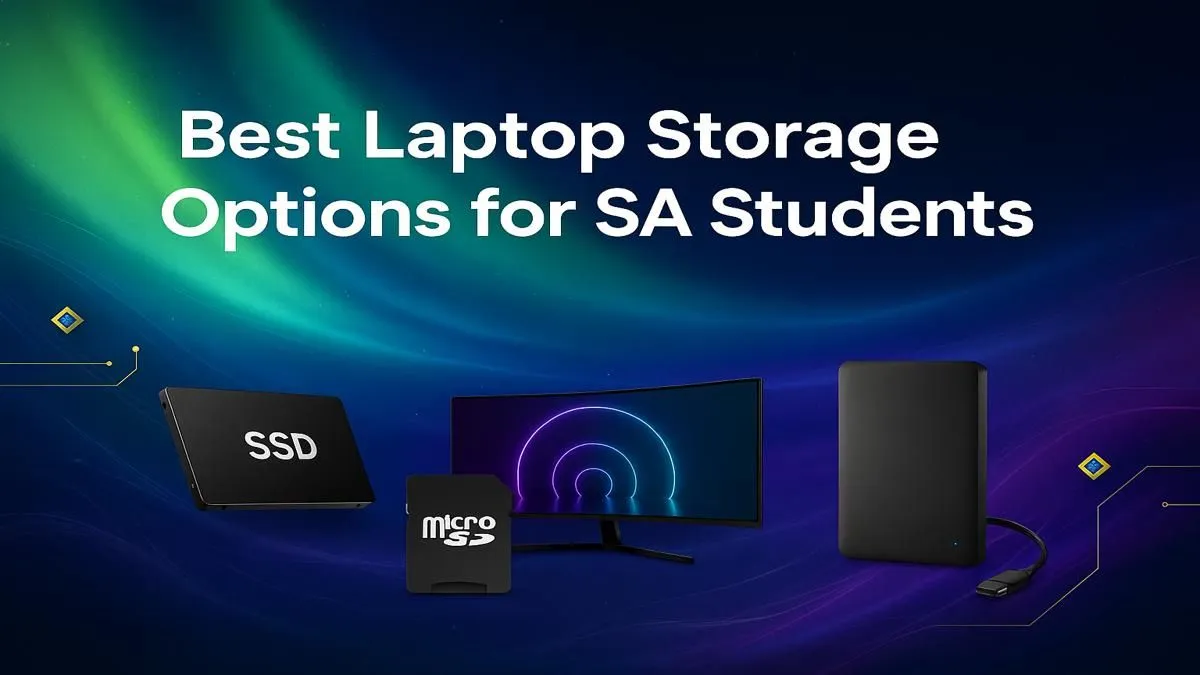
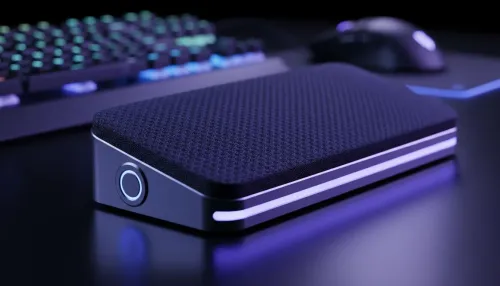
When you're looking at a laptop's spec sheet, storage usually comes down to two main types: the old-school Hard Disk Drive (HDD) and the zippy Solid State Drive (SSD). Think of an HDD as a record player; a physical arm has to move to find your data. An SSD, on the other hand, is like streaming music… instant access, no moving parts.
This difference is massive in day-to-day use. An SSD means your laptop boots up in seconds, apps open instantly, and files save without a hiccup. For a student juggling lectures, research, and maybe a bit of Netflix, that speed is non-negotiable.
SSD vs. HDD: The Clear Winner for Students
So, what's the best storage for a student laptop? While HDDs offer more gigabytes for your Rand, the performance trade-off is huge. For student life, an SSD is the undisputed champion. Here’s why:
- Speed: From booting up Windows to loading Adobe Photoshop for a project, an SSD is light-years faster.
- Durability: Laptops get bumped around in backpacks. With no moving parts, an SSD is far more resistant to drops and knocks, protecting your precious assignments. ⚡
- Battery Life: SSDs use less power than HDDs, giving you a little extra juice to get through that last lecture of the day.
Even if you're a gamer, the benefits are undeniable. The loading screens in titles like Baldur's Gate 3 or Apex Legends are significantly shorter on an SSD, which is why almost all modern gaming laptops now come standard with them.
Pro Tip: Cloud Storage is Your Best Friend
Don't pay for massive internal storage you don't need! Use free services like Google Drive or OneDrive to store old projects, photos, and lecture notes. This keeps your laptop's primary SSD free for essential software and current assignments, ensuring it stays fast.
How Much Storage Does a Student in South Africa Need?
Choosing the right capacity is key to balancing performance and budget. The ideal amount of laptop storage for students depends entirely on your field of study.
The Everyday User (Arts, Humanities, Business)
You’re mainly working with documents, spreadsheets, and presentations.
- Good: 256GB SSD. It's manageable if you use cloud storage wisely.
- Better: 512GB SSD. This is the sweet spot, giving you plenty of breathing room for software and files without constant clean-ups. Many powerful AMD laptops offer this as a standard, affordable configuration.
The Power User (Engineering, Design, Video Editing)
You're using heavy-duty software like CAD, Adobe Creative Suite, or programming environments that eat up space.
- Minimum: 512GB SSD. You'll be managing your space carefully.
- Recommended: 1TB SSD. This is the new standard for a stress-free workflow, allowing you to store large project files and multiple complex applications without compromise. 🚀
Finding the Perfect Balance for Your Budget
Okay, so a big, fast SSD is ideal. But what if the budget is tight? The good news is that SSD prices have dropped significantly. A laptop with a 512GB NVMe SSD is more accessible than ever and represents one of the best long-term investments you can make in your education.
You’ll find that a wide range of versatile Intel-powered laptops provide excellent options across all price points, making it easy to find a machine with the right storage for your needs. Ultimately, prioritising an SSD—even a smaller one—over a large but slow HDD will give you a much better daily experience.
Ready to Find Your Perfect Student Laptop?
Now that you know what to look for, finding the right machine is easy. Check out our latest laptop specials for deals that deliver the speed and storage you need to succeed.