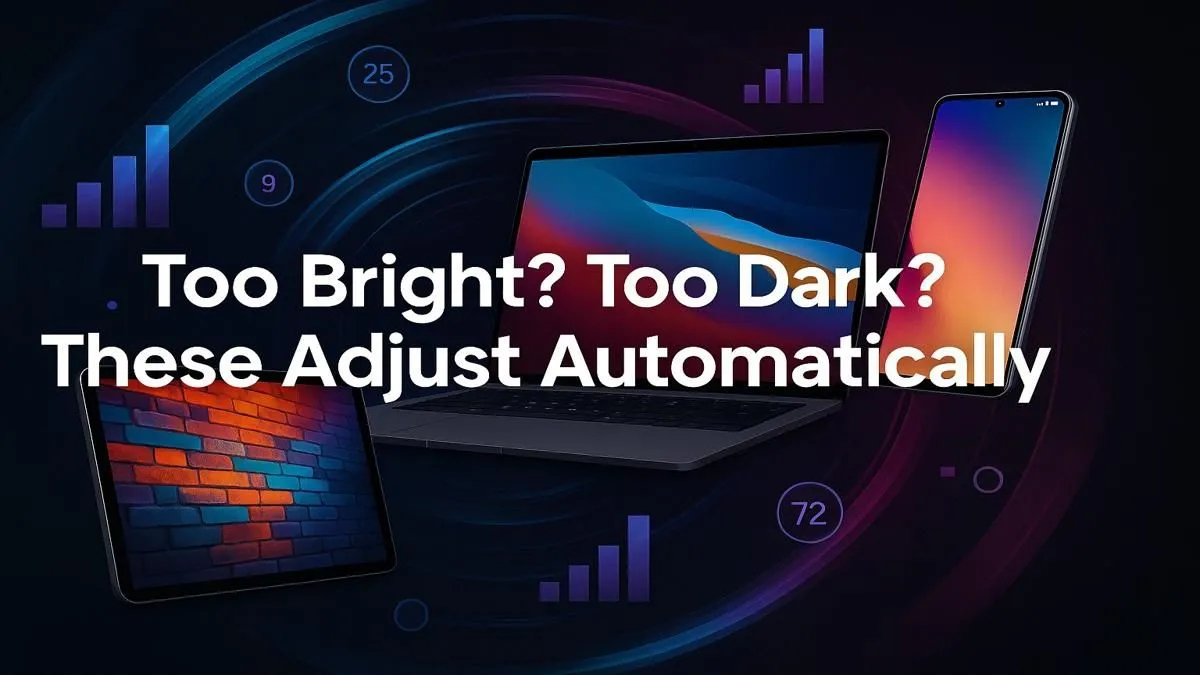
Ever been deep in a gaming session when the sun sets, and suddenly your screen feels like it's burning your retinas? Or tried to watch a movie during the day only for the picture to look washed out? That’s where adaptive lighting systems come in, automatically adjusting to your environment. But the magic isn't just in the software; it's in choosing from the best light sensors for adaptive lighting systems to make it all work seamlessly. ✨
Why the Right Light Sensor Matters for Your Setup
Getting your lighting just right isn't just about comfort; it's about performance and immersion. An adaptive lighting system uses a sensor to measure the ambient light in your room—the light from your window, your roof light, you name it—and adjusts your screen's brightness or your room's smart lights accordingly. This reduces eye strain during long work or gaming marathons and ensures the colour and contrast on your screen are always optimised for your viewing conditions.
The technology is smarter than ever, with many modern devices including it out of the box. You'll find that top brands like Viewsonic are integrating these intelligent features directly into their latest displays, creating a more responsive and enjoyable experience from the moment you plug them in.
Key Types of Light Sensors to Consider
When you're looking into the best light sensors for adaptive lighting systems, you'll likely come across a few common types. You don't need an engineering degree to understand them, just the basics.
Common Sensor Technologies
- Photoresistors (LDRs): These are simple and affordable. They change their resistance based on light exposure. While great for basic DIY projects, their response time can be a bit slow for high-end gaming setups where instant adjustments are preferred.
- Photodiodes & Phototransistors: These are the champs 🏆. They are semiconductor devices that convert light into an electrical current. They're incredibly fast, accurate, and small, making them the ideal choice for premium electronics like monitors, high-end TVs, and projectors where a flawless adaptive brightness feature is a key selling point.
Pro Tip: Sensor Placement is Key
For the most accurate readings, position your ambient light sensor where it can gauge the room's overall brightness. Avoid placing it in direct sunlight or a perpetually dark shadow, as this will give your system a skewed perception of the lighting conditions.
Integrating Adaptive Lighting with Your Gear 🔧
So, how do you get this system running? For the hands-on tech enthusiasts in Mzansi, a DIY route using an Arduino or Raspberry Pi connected to a quality photodiode can be a rewarding project. You can program it to control your monitor settings or even a strip of RGBIC LEDs behind your desk for a truly immersive setup.
For those who prefer a plug-and-play solution, the best option is to invest in hardware that already has this technology built-in. A monitor with a reliable "auto-brightness" feature is a great start. But for the ultimate cinematic experience at home, nothing beats a projector that can adapt to your living room, day or night. You might be surprised to find that many high-quality projectors under R20,000 now offer these smart, adaptive features.
Choosing the right components, whether it's the sensor itself or the display it's built into, is the secret to a setup that works for you, not against you.
Ready to Perfect Your Picture?
A truly immersive visual experience starts with the right hardware. Explore our full range of projectors and find the perfect display that adapts to your world.