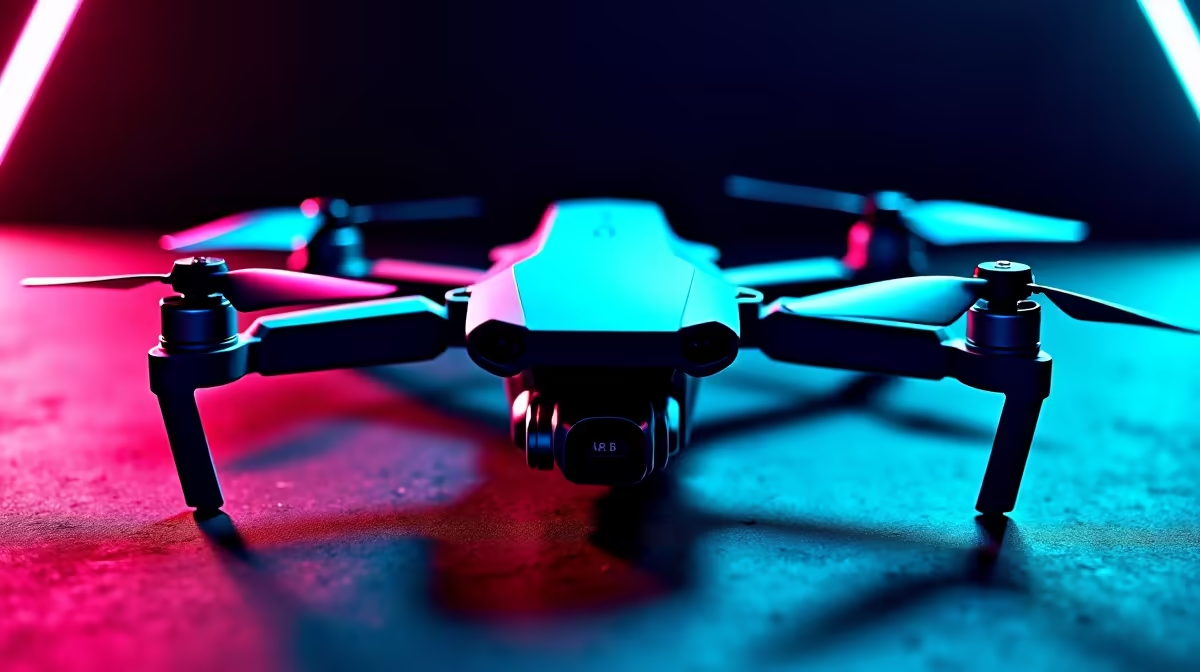
There is a magic number in drone buying, and it is 249 grams. Stay under 250g and a whole tier of regulation gets lighter for SA hobbyists, which is exactly why the best sub-250g drones have become the smartest entry point into the hobby. The DJI Mini 4 Pro sits right on that line at 249g and packs in features that used to demand a far heavier machine.
Quick Answer
The DJI Mini 4 Pro at 249g is the benchmark sub-250g drone, pairing 4K/60 10-bit video with tri-directional obstacle sensing while staying under the weight threshold that triggers lighter SACAA recreational obligations. For most SA hobbyists it is the sweet spot of capability, portability, and reduced red tape.
Why the 250g line matters in South Africa
The South African Civil Aviation Authority sets recreational drone rules partly by weight. Staying under 250g keeps a hobbyist in the lightest regulatory category, fewer obligations than the heavier classes that carry stricter requirements. It does not erase the rules, you still fly responsibly, away from airports, people, and restricted airspace, but it lowers the barrier to getting airborne legally for casual flying.
That single threshold is why this entire drone class exists, and why manufacturers fight to land their best features just under it.
The benchmark: DJI Mini 4 Pro
The Mini 4 Pro is the drone every other sub-250g model gets measured against, and for good reason.
Camera
It shoots 4K at 60fps in 10-bit colour, which gives you genuinely usable footage with room to grade, not just a toy camera bolted to a flyer. For travel, content, and landscape work it punches well above its weight class.
Safety and confidence
The standout upgrade is tri-directional obstacle sensing, forward, backward, and downward, which makes it far harder to crash and far easier to fly for a beginner. Active Track and return-to-home round out a feature set that takes a lot of the fear out of flying an expensive drone.
Who it suits
Hobbyists and content creators who want near-flagship results without the weight, cost, and added regulatory load of a heavier drone. It is the default recommendation in this class for a reason.
What about lighter and cheaper options
Not everyone needs the Mini 4 Pro. The broader Mini series steps down in price and features while keeping the sub-250g weight, which suits a first-time flyer who wants to learn before spending big. Lighter drones in this class trade obstacle sensing and camera quality for a gentler price and an even more pocketable body. If you mostly want to learn to fly and grab the odd clip, a simpler sub-250g model is a sensible start. You can see how this class of gadget sits alongside other connected devices in Evetech's smart home and gadgets range.
Non-DJI Sub-250g Options
DJI dominates this class, but alternatives exist. The Autel Evo Nano+ is the most established non-DJI sub-250g option, with genuine obstacle detection and a camera that holds up well in low-light conditions. It suits pilots who want to stay outside the DJI ecosystem without giving up core flight safety features.
The DJI Mini 4K sits below the Mini 4 Pro in price and capability but still delivers a real three-axis mechanical gimbal and proper 4K video, making it the clearest budget entry point for anyone who wants DJI reliability without the flagship price.
For an SA buyer, the most important practical question is local availability. Imported drones without local distribution can leave you without warranty support or spare parts, which is a real risk on a drone that can have a hard landing. Buying through a local stockist removes that uncertainty.
Flight Time and Batteries
Most sub-250g drones manage roughly 30 to 35 minutes per battery in calm conditions, though wind and aggressive manoeuvring cuts that noticeably. The Mini 4 Pro is rated at up to 34 minutes, competitive for the class, but a real shooting session rarely uses a single charge. Budget for at least two batteries before you fly for the first time: one will be in the drone and one on charge, which turns a short session into a proper outing.
How to choose your sub-250g drone
Work through three questions:
- Camera ambition. Serious footage points to the Mini 4 Pro's 4K/60 10-bit. Casual clips do not need it.
- Flying confidence. Nervous beginners benefit hugely from obstacle sensing; confident flyers can save money without it.
- Budget. The class spans entry-level learners to near-flagship capability, so set your number before you shop.
Match those three to your needs and the right model in the range becomes obvious. To compare current picks and accessories side by side, the best-selling accessories list is a quick way to line up spare batteries, propellers, and cases alongside the drone itself.
Frequently Asked Questions
Why is staying under 250g worth it?
The SACAA sets recreational rules partly by weight, and under 250g keeps you in the lightest category with fewer obligations than heavier drones. You still fly responsibly and avoid restricted airspace, but the barrier to legal casual flying is lower.
Is the DJI Mini 4 Pro really still under the limit?
Yes, it weighs 249g, just under the 250g threshold, despite offering 4K/60 10-bit video and tri-directional obstacle sensing. Fitting flagship-level features under that weight is exactly what makes it the class benchmark.
Do sub-250g rules mean no rules at all?
No. Lighter weight means fewer obligations, not none. You still must fly away from airports, crowds, and restricted areas, keep the drone in sight, and respect SACAA recreational guidelines.
Should a beginner buy the Mini 4 Pro or something cheaper?
If you want the best camera and the safety of obstacle sensing, the Mini 4 Pro is worth it. If you mainly want to learn to fly and capture occasional footage, a simpler, cheaper sub-250g model is a sensible starting point.
What makes a sub-250g drone good for travel?
The weight and folding designs make these drones genuinely pocketable, and models like the Mini 4 Pro still deliver high-quality 4K footage, so you get serious results without carrying serious bulk.