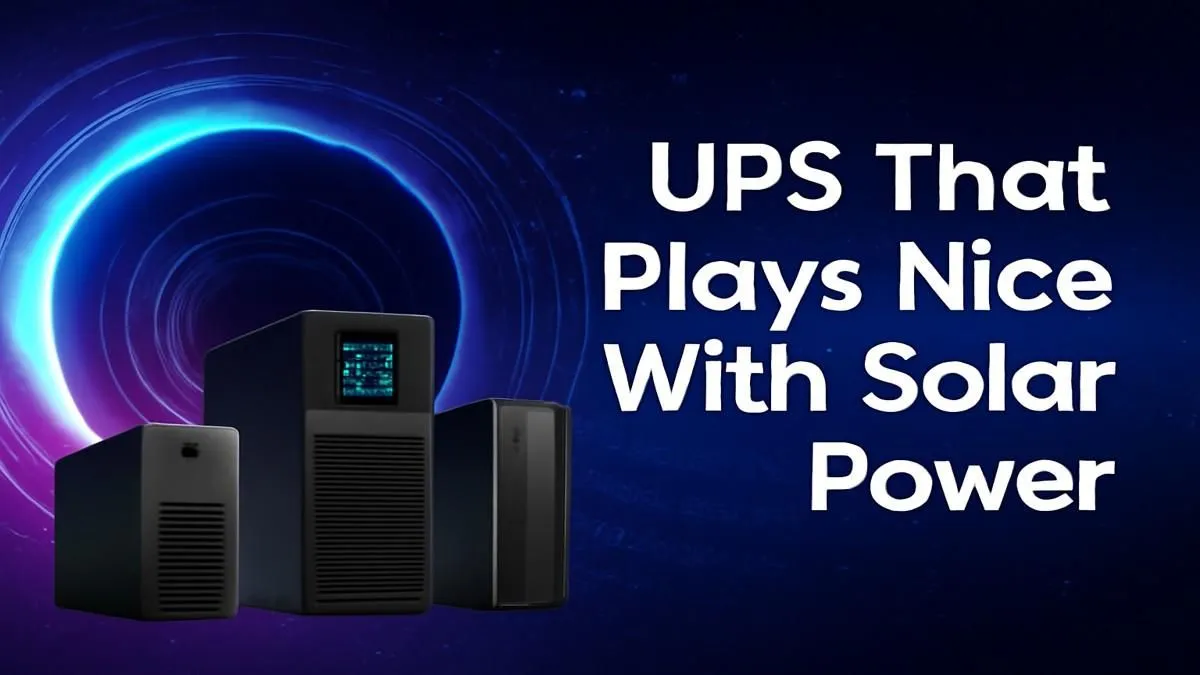
So, you've invested in solar to finally tell load shedding where to get off. Brilliant move! But here's a hard truth many learn too late... even with a top-tier solar setup, a grid flicker or a slow inverter switchover can instantly crash your PC. Your R50,000 rig deserves better. The secret weapon? Finding the best UPS for solar power integration, a small device that provides that critical, seamless bridge between power sources. ⚡
Why Your Solar Setup Still Needs a Dedicated UPS
You might think your inverter has it covered, but most residential solar systems aren't instantaneous. When Eskom's grid drops and your inverter kicks in, there's often a tiny delay—a few milliseconds is all it takes for your sensitive PC components to lose power and shut down abruptly. This can lead to data corruption, damaged hardware, and a whole lot of frustration.
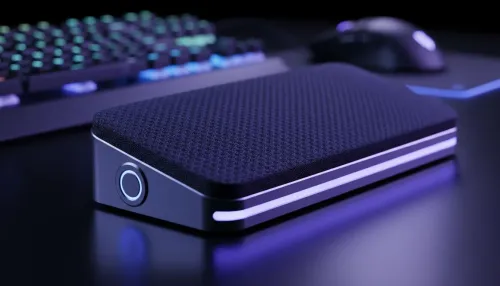
A dedicated Uninterruptible Power Supply (UPS) acts as a buffer. It sits between the wall socket (fed by your solar/grid) and your PC, providing its own clean, battery-backed power the very instant a problem is detected. This ensures your gaming session or critical work continues without a single hiccup. Finding the right UPS for your solar setup is not just a luxury; it's essential insurance for your tech.
Choosing the Right Type of UPS for Solar Integration
Not all UPS units are created equal, especially when dealing with the unique output of a solar inverter. For most home and gaming setups, a Line-Interactive UPS is the sweet spot. It actively corrects minor voltage fluctuations from your inverter without switching to battery, preserving battery life for a genuine outage.
You can explore a wide range of UPS units to compare models, but the most important feature to look for is the output waveform.
Pro Tip: Pure Sine Wave is King 👑
Always choose a UPS with Pure Sine Wave output. Modern PC Power Supply Units (PSUs) with Active Power Factor Correction (APFC) can be fussy. A cheaper "Simulated Sine Wave" UPS might cause your PSU to buzz, overheat, or even refuse to run on battery power. Don't risk it!
Key Features for the Best Solar-Compatible UPS
When you're ready to buy, focus on these three things to ensure you get the best UPS for solar power integration with your specific rig.
1. Power Capacity (VA/Watts)
This is crucial. You need to calculate the total power draw of everything you want to protect—your PC, monitor(s), and router at a minimum. Check the wattage on your PC's PSU (e.g., 750W) and your monitor's label. Add them up and give yourself at least 20% headroom. A 1000VA/600W UPS is a great starting point for a mid-range gaming PC. For peace of mind, it's worth looking into trusted brands like Titan, which are known for their reliable performance.
2. Runtime
How long do you need the power to stay on? A UPS isn't meant to run your PC for hours. Its job is to provide 5-10 minutes of clean power, giving you enough time to save your game, finish your work, and shut down your PC safely. Don't overspend on massive runtime if you just need a safety net.
3. Budgeting for Peace of Mind 🇿🇦
After forking out for solar panels and an inverter, another expense can feel like a stretch. But protecting your expensive PC and console is a smart investment. You don't have to break the bank; there are many affordable UPS options under R1300 that provide the essential protection your solar-powered home needs. It's a small price for total stability.