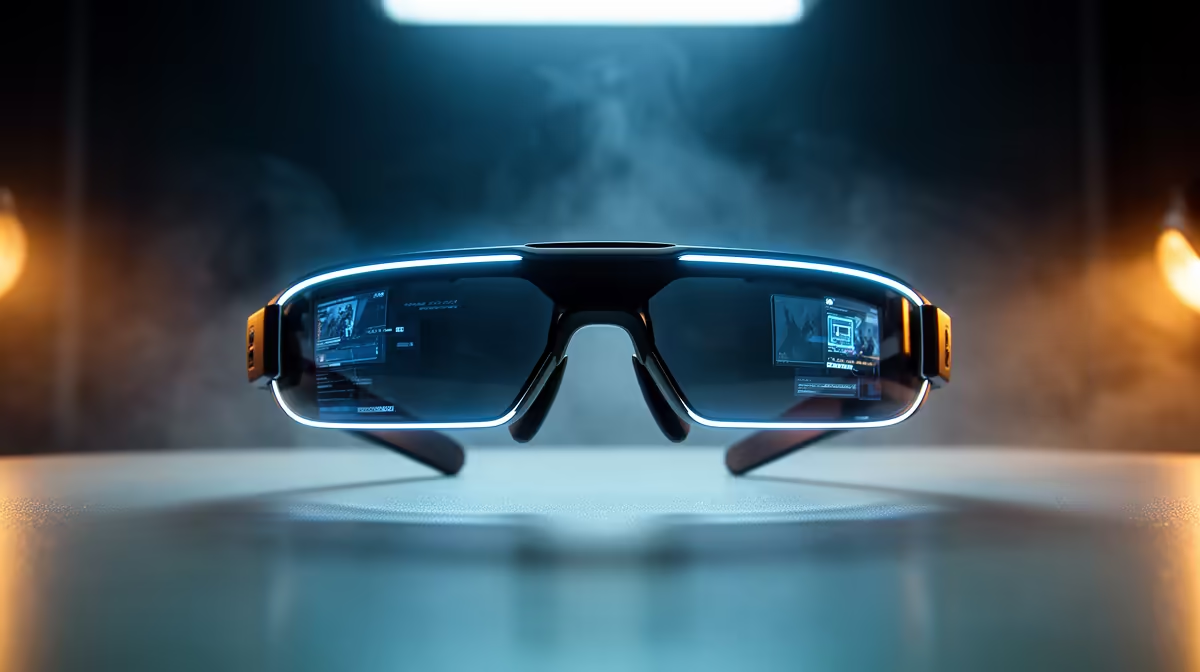
Display quality versus use cases weighs the sharpness of the screen against what you intend to do with the glasses, and the two are linked, because the right display quality depends on the use case. The answer is that the use case sets the display target, so define the use, then meet its display needs.
Quick Answer
Use cases define the display quality you need; reading and work demand sharp 1080p-per-eye text, while casual media tolerates a little less. Identify your main use first, then meet its display requirement, generally 1080p per eye and 500 nits for most uses. Models around R6,500 to R9,500 vary, so let the use case set the display target rather than chasing the highest spec blindly.
Use cases set the display requirement
Display quality and use case are not opposed but linked: the use defines how much display quality you need. Reading documents, code and spreadsheets demands sharp 1080p-per-eye text and good brightness, since soft text strains the eyes over long sessions. Casual media viewing tolerates slightly less, prioritising contrast and colour over fine text sharpness. Gaming wants low latency alongside a clear image. So identify your main use first, because it tells you which display specs actually matter for what you will do.
Meeting the target without overspending
Once the use case sets the target, meet it rather than chasing the highest possible spec. For most uses, 1080p per eye at around 500 nits is the practical floor that keeps text sharp and media bright. Paying for resolution beyond what your use needs, or what you can perceive in normal content, is wasted. A work-focused buyer should ensure crisp text; a media-focused buyer should weight contrast and brightness. Matching display quality to the use case gets the right experience without overspending on specs you will not benefit from.
Choosing the model that fits the use
With the display target defined by the use case, pick the model that meets it among options around R6,500 to R9,500. A reading and work user needs the sharpest text, so favour a model known for clean fonts. A media user can prioritise a vivid, high-contrast panel. The use case both sets the display requirement and points to the right model, so the two work together: define the use, derive the display target, then choose the glasses that hit it. That sequence avoids both under- and over-buying on display.
FAQ
Does display quality or use case matter more in AR glasses?
They are linked: the use case sets the display quality you need. Reading and work demand sharp 1080p-per-eye text, while casual media tolerates a little less. Define the use first, then meet its display requirement.
What display quality do AR glasses need for work?
Sharp 1080p per eye at around 500 nits, so documents, code and spreadsheets stay crisp over long sessions. Soft text strains the eyes, so reading-heavy work demands the cleaner display.
Should I buy the highest display spec available?
Only if your use case needs it. For most uses, 1080p per eye at 500 nits is the practical floor. Paying beyond what your use or perception benefits from is wasted, so match the display to the use.
Let your main use case set the display target, sharp text for work, vivid contrast for media, then choose the AR glasses that hit it from Evetech rather than chasing the highest spec blindly.