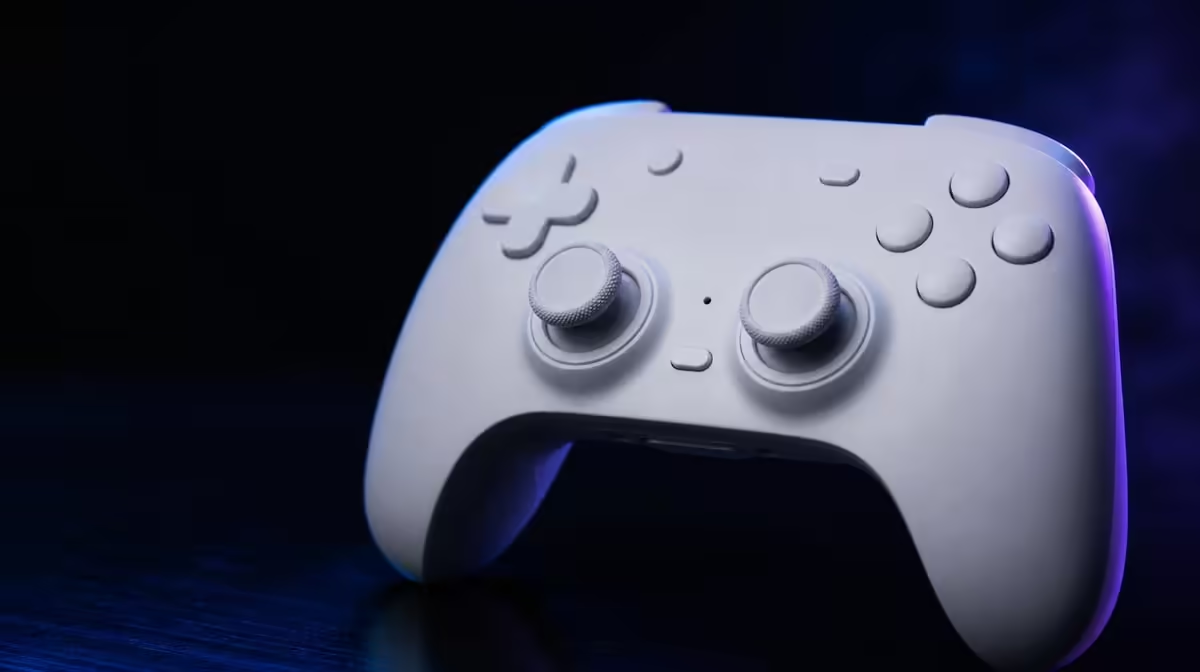
Stick design changes the measurement path, but the player feels the whole mechanism. In TMR sticks vs standard analog sticks, Mag-Res TMR senses position magnetically while common potentiometer controls rely on rubbing contacts. The R999 GameSir Cyclone 2 uses TMR to reduce that wear route without pretending calibration, debris or physical damage no longer matter.
Quick Answer
Standard potentiometer sticks commonly measure movement through sliding electrical contacts that can wear. TMR sticks use magnetic sensing, avoiding that specific contact path. The R999 Cyclone 2 includes Mag-Res TMR sticks, but compare neutral stability, fine movement, mechanics and game response rather than assuming the sensor name guarantees permanent zero drift.
🧲 The sensing path is the central difference
A potentiometer design uses contact across resistive tracks to translate stick movement into a signal. Repeated rubbing can wear the measurement surface and contribute to unwanted neutral movement.
TMR is magnetic. The Cyclone 2's Mag-Res sticks read directional position without that conventional sliding contact. This gives the technology a meaningful drift-resistance argument.
The argument should stay precise. Magnetic measurement does not remove springs, centring parts, housings, software or calibration from the controller. A TMR stick can still behave poorly if another layer is wrong.
Standard analog also describes a finished control, not merely the potentiometer. A well-configured traditional stick can feel good, while a poorly configured magnetic stick can feel wrong. Sensor wear is one important comparison, not the only one.
Write the sensing method beside the controller name, then keep the rest of the scorecard open. Host support, stick mechanics, triggers, connection and charging may decide the better purchase even when TMR wins the contact-wear argument.
The R999 Cyclone 2 gives this comparison a real South African anchor. It places Mag-Res TMR inside a package that also includes its dock, so buyers are not pricing the sensor in isolation.
The Evetech gaming controller range lets buyers compare complete input systems instead of isolated sensor names.
🎯 Compare neutral and range under equal settings
Choose one supported game, host and connection. Restore default response, place each controller still and observe neutral. Then make four slow corrections and one complete edge sweep.
Repeat the sequence rather than relying on one perfect return. Consistency across directions and over a normal session matters more than a single menu moment.
Keep deadzone and sensitivity fixed during the comparison. A faster profile can make one controller appear more responsive while revealing little about sensor precision.
Record drift, overshoot and missed wireless input separately. Drift occurs near neutral; overshoot follows deliberate movement; connection interruption belongs to another path.
Add a hold test. Move to a small off-centre position, keep the thumb steady and observe whether the response remains predictable. Then release and confirm the return. This helps compare control through movement as well as rest.
Run the same sequence again near the end of a full play session. Consistency over time matters more than one cold-start menu check, but the test still cannot promise years of durability.
If a title uses an unusual response curve, run the same check in another supported game. The sensor does not change, while the software interpretation can.
🛡️ Mechanics and care remain relevant
Store sticks without pressure, keep debris away from moving areas and recheck neutral after travel. TMR changes the sensing method, not every physical component.
Use the included Cyclone 2 dock as a deliberate resting place. Seat the controller correctly so storage supports both charging contact and freedom around the sticks.
If input changes after a custom profile loads, return to the baseline before recalibrating. Software can imitate a hardware problem.
Inspect storage. A controller left with a stick pushed against a bag or desk object may not return naturally on the next test. TMR avoids measurement-track wear but cannot prevent every mechanical stress.
Keep the dock level and the controller seated without sideways pressure. The base should serve as a reliable home, not a clamp around the controls.
Cleaning should be gentle and external. Avoid forcing debris inward or moving the sticks beyond their normal range. Physical care belongs beside magnetic sensing in any durability judgement.
Browse Evetech gaming accessories once the stick and storage routine are settled.
🧭 Judge the entire R999 package
The Cyclone 2 also includes Hall analog triggers, tri-mode connectivity, multiplatform support, customisable RGB and the Smart Start-Stop dock.
Those features affect value, not the definition of TMR. Test trigger travel separately, assign connections to real devices and keep RGB in the preference column.
A standard analog controller may still be the better fit if its platform support or layout matches the buyer. TMR should strengthen a complete product, not override a failed compatibility requirement.
Test the Cyclone 2 tri-mode routes on the actual devices. A strong stick sensor cannot compensate for a host or game that does not recognise the controller as intended.
Score the Hall triggers separately. They use magnetic sensing too, but their graduated one-direction travel solves another job. Do not let trigger value inflate the TMR precision judgement.
RGB and the Smart Start-Stop dock also belong on separate lines. Lighting expresses preference or profile identity; the dock manages storage and charging. Neither makes the sticks more accurate.
The final choice should name the device, game and stick behaviour that matter. A controller wins the comparison when its complete package fits, not because one acronym sounds newer.
Create a final comparison note with five lines: sensor type, neutral result, fine movement, supported hosts and included hardware. The Cyclone 2 will read TMR, repeatable baseline, tested control, verified devices and dock. A standard analog option should receive the same evidence rather than a weaker test.
Review the note after a week of normal play. If the preferred controller stays consistent and fits the device routine, the choice has survived more than a setup impression. If not, return to the exact failed line instead of reopening every feature.
TMR's strongest claim remains narrow and useful: it changes the stick measurement away from rubbing potentiometer contacts. Everything beyond that should be earned by the complete R999 controller.
Use that narrow claim as the final safeguard. If a comparison starts promising perfect aim, permanent zero drift or universal superiority, return to the evidence: magnetic sensing changes the wear path, while implementation and use decide the experience.
Once the sensing comparison passes, use Evetech's popular accessories page to frame the wider setup.
A long-term comparison should preserve the baseline. Keep the default dead-zone and sensitivity notes, then repeat the same neutral and slow-motion checks after ordinary use. If behaviour changes, the record shows whether software settings, calibration or the physical control needs attention.
Do not use one clean test to promise lifetime performance. TMR sensing is the confirmed technology in these sticks; the lasting result still depends on the complete controller and how it is used.
Frequently Asked Questions
How do potentiometer sticks measure movement?
They commonly use sliding contact along resistive tracks, translating the stick position into an electrical reading.
What does TMR change?
It moves the position measurement to magnetic sensing and avoids that conventional rubbing contact path.
Does TMR guarantee zero drift forever?
No. Calibration, centring mechanics, debris, physical damage and software can still affect neutral input.
Are the Cyclone 2 triggers TMR too?
No. The sticks are Mag-Res TMR, while the analog triggers use Hall sensing.
What is the local TMR price reference?
The Phantom White Cyclone 2 package is R999 and includes its smart charging dock.
Ready to compare stick technologies through repeatable movement?
Explore Evetech gaming controllers and judge TMR or standard analog controls alongside platform fit, mechanics and the complete package.