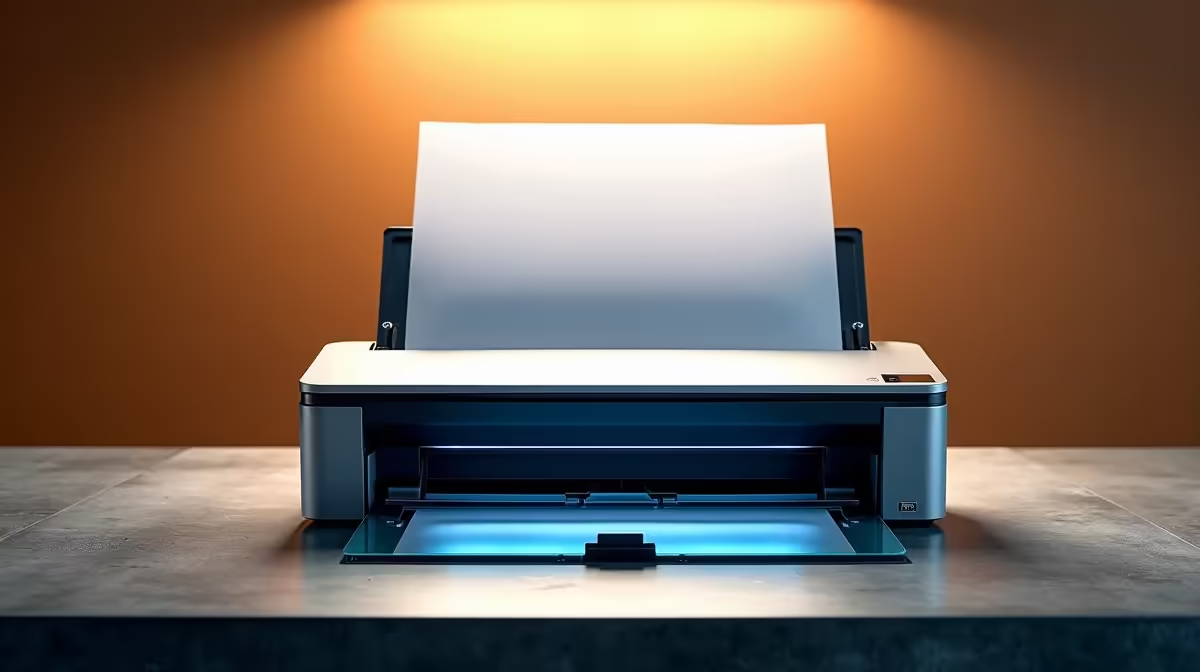
A document scanner is useful for an engineering student who repeatedly digitises marked drawings, lab sheets, field notes or bound references. It is overkill when a phone scan handles a few pages each month. The decision depends on volume, paper size, annotation detail and the file-naming discipline needed to retrieve work later.
Test the hardest document
Choose a representative pencil drawing, double-sided worksheet and page with faint grid lines. Compare capture time, skew, small text and export size. The supplied facts contain no verified scanner SKU, so current devices must be checked by optical resolution, duplex support, feeder capacity, supported paper weight, driver compatibility and local service options. Do not buy from an interpolated resolution figure alone.
Build an archive that remains usable
Create consistent course, date and assignment names, then add searchable text only after checking recognition accuracy on equations and symbols. Keep original paper where required and store scans in an organised folder with an independent backup. Avoid uploading confidential project or participant information to an unapproved scanning service. Clean rollers and glass according to the device instructions.
For oversized plans, fragile pages or occasional batches, a campus or professional service may produce better results without another machine in a small room. A dedicated scanner earns its space when repeated technical documents feed a reliable study archive, not when it merely replaces one careful phone capture.
Digitising engineering coursework? > Check current Evetech scanning availability after defining paper size, duplex and archive requirements.