Building a new rig in South Africa and staring at your budget? The storage choice can be a tough one. Do you fork out the extra Rands for a premium SSD with onboard DRAM, or can you save some cash with a DRAM-less drive? Thanks to a clever piece of tech called HMB, the answer in 2025 isn't so simple. Let’s dive into the DRAM-less vs DRAM debate and find the perfect drive for your needs.
The Core Difference: Why DRAM on an SSD Matters
First, let's get the basics straight. Think of an SSD as a massive, complex library. To find a specific piece of data (a game file, your OS boot sequence), the drive needs an index or a map. In an SSD, this map is called a "mapping table."
An SSD with a dedicated DRAM chip has a super-fast, private workspace to hold this map. This allows it to locate and access data almost instantly, which is especially important for random read/write operations… the kind your PC does all the time. This dedicated cache leads to snappier performance and can even improve the drive's long-term endurance. It's the traditional gold standard for high-performance solid-state drives.
Host Memory Buffer (HMB): The DRAM-less Comeback
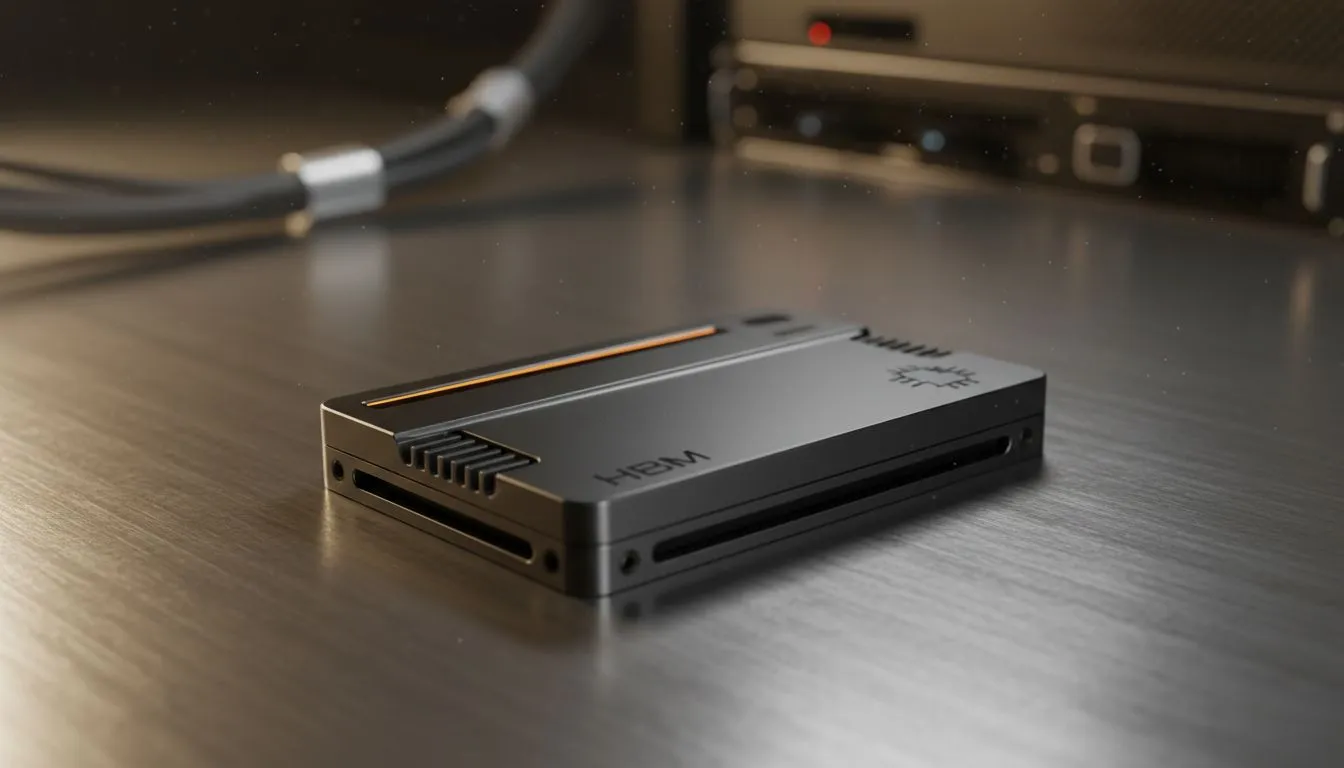
So, what happens in the DRAM-less vs DRAM battle when you remove that pricey chip? Historically, performance took a massive hit. But that’s where Host Memory Buffer (HMB) technology comes in. 🚀
HMB is a feature of the NVMe protocol that allows a DRAM-less SSD to "borrow" a tiny slice of your computer's main system RAM (the same RAM your CPU and games use) to act as its cache. It's like asking your PC to hold the map for the SSD.
Is it as fast as having onboard DRAM? Not quite. But it's a monumental improvement over older DRAM-less designs, bringing performance shockingly close for most everyday tasks. This innovation is a key reason why affordable NVMe SSDs have become so popular.
Check Your Drive's Health 🔧
Keeping an eye on your SSD's health is crucial for data safety. Free tools like CrystalDiskInfo can show you detailed stats, including total data written and remaining lifespan. For NVMe drives, make sure your motherboard's BIOS is up-to-date and the correct NVMe drivers are installed to get the best performance out of HMB technology.
Performance in 2025: Does HMB Close the Gap?
This is the big question for South African gamers and builders. For years, the advice was simple: always buy an SSD with DRAM. In 2025, that advice needs an update.
For Gaming and General Use
For booting up Windows, launching your favourite games like Apex Legends or Baldur's Gate 3, and browsing the web, a modern NVMe SSD with HMB is fantastic. The performance difference between a good HMB drive and a mid-range DRAM drive is often so small you wouldn't notice it without a stopwatch. The tech has matured beautifully, closing the gap where it matters most for the average user.
For Heavy-Duty Workloads
This is where dedicated DRAM still flexes its muscles. If you’re a content creator constantly moving massive 4K video files, a programmer compiling large codebases, or someone who frequently transfers terabytes of data, the sustained performance of a DRAM-equipped SSD is superior. When the drive is under constant, heavy load, that dedicated cache prevents performance from dipping. For these scenarios, a high-end internal drive paired with a speedy external SSD for transfers is an unbeatable combo. ✨
The Verdict: Which SSD is Right for Your Rig?
The debate over DRAM-less vs DRAM SSDs now comes down to your specific use case and budget.
- Choose a DRAM-less SSD with HMB if... you're building a budget-to-mid-range gaming PC, upgrading an older laptop, or need a secondary drive just for your Steam library. The performance-per-Rand is simply outstanding, and you can find some of the best SSD deals in this category.
- Choose an SSD with DRAM if... you are a power user, content creator, or professional whose workflow involves constant, heavy disk activity. It’s also the right choice if you simply want the best possible performance and peace of mind, without compromise.
Ultimately, HMB technology has successfully made DRAM-less NVMe drives a powerful and viable option for the vast majority of PC users in South Africa.
Ready to Boost Your Speed?
Whether you need the top-tier performance of a DRAM cache or the incredible value of an HMB drive, making the right choice is key. Explore our massive range of SSDs and find the perfect storage to unleash your PC's true potential.