Loadshedding is a national sport we never asked to play. When the lights go out, your inverter’s battery becomes more precious than gold. Most gamers focus on keeping the PC running, but your network gear often sips more power than you think. Optimising for energy efficient networking is the smartest way to keep your ping low and your uptime high during those dark hours. ⚡
Why Power Consumption Matters for Your Home Network
Every watt counts when you are running on a backup power supply. While a single router might not seem like much, the combined draw of your ONT, router, and switches adds up over a four-hour outage. By choosing hardware designed for energy efficient networking, you can extend your battery life significantly. This means more time for ranked matches and less time sitting in the dark.
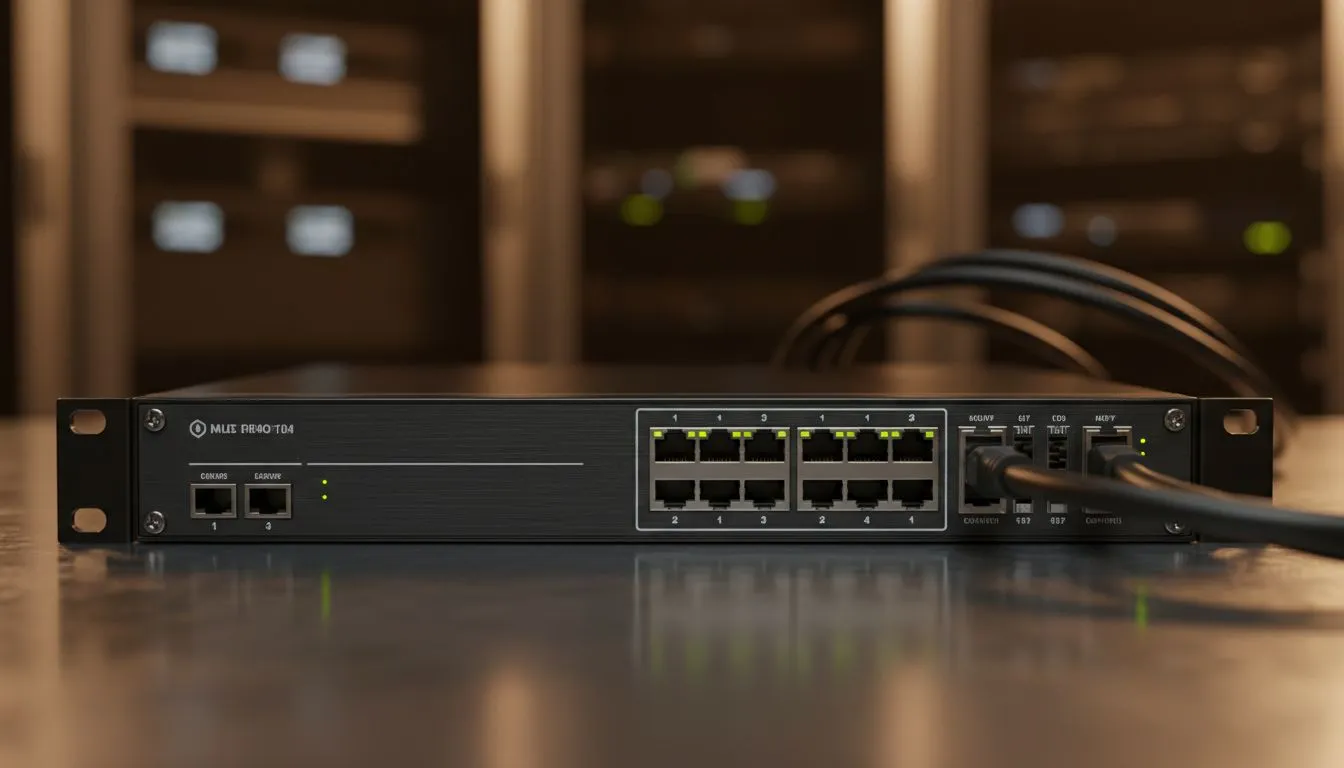
Many modern devices now feature "Green Ethernet" technology. This allows the device to power down ports that are not in use or adjust power based on cable length. If you are still using an old, power-hungry hub from a decade ago, you are wasting energy. Consider upgrading to modern, low-power network switches to keep your home office or gaming rig running leaner.
Loadshedding Pro Tip ⚡
Always disable the Wi-Fi broadcast on your ISP-provided router if you are using a dedicated Access Point. Running two wireless radios simultaneously drains your UPS faster and creates unnecessary signal interference. It is a simple setting change that can buy you an extra 15 to 20 minutes of uptime during Stage 6.
Choosing the Right Hardware for Loadshedding
Not all brands are created equal when it comes to power draw. Some manufacturers prioritise raw throughput at the cost of high heat and energy waste. If you want to keep your network humming without draining your battery, look for brands that focus on efficiency. We have seen great results with the range of Cudy switches, which offer a fantastic balance of speed and low power consumption for South African households.
Efficiency does not mean you have to sacrifice performance... it just means the hardware is smarter about how it handles data packets. Modern silicon is much more efficient than older chips, meaning you get the same gigabit speeds while generating less heat. 🚀
Managed vs. Unmanaged Switches for Efficiency
If you are running a more complex home setup, you might be tempted by high-end managed switches. While these offer great control, they often consume more power due to their internal processors. For most users looking for energy efficient networking, a high-quality unmanaged switch is the better choice for power saving.
If you need something more robust for a small business or a heavy home lab, you can find premium networking switches priced from R1153 that still include power-saving features like IEEE 802.3az. These "Green" standards ensure that the device enters a low-power state during low data activity... saving you precious amp-hours when the Eskom grid is down. ✨
Ready to Beat the Blackouts?
Keeping your connection alive during loadshedding requires the right gear. Whether you need a simple 5-port switch or a high-performance backbone for your home, we have the most efficient tech in stock. Explore our massive range of networking specials and stay connected when the lights go out.