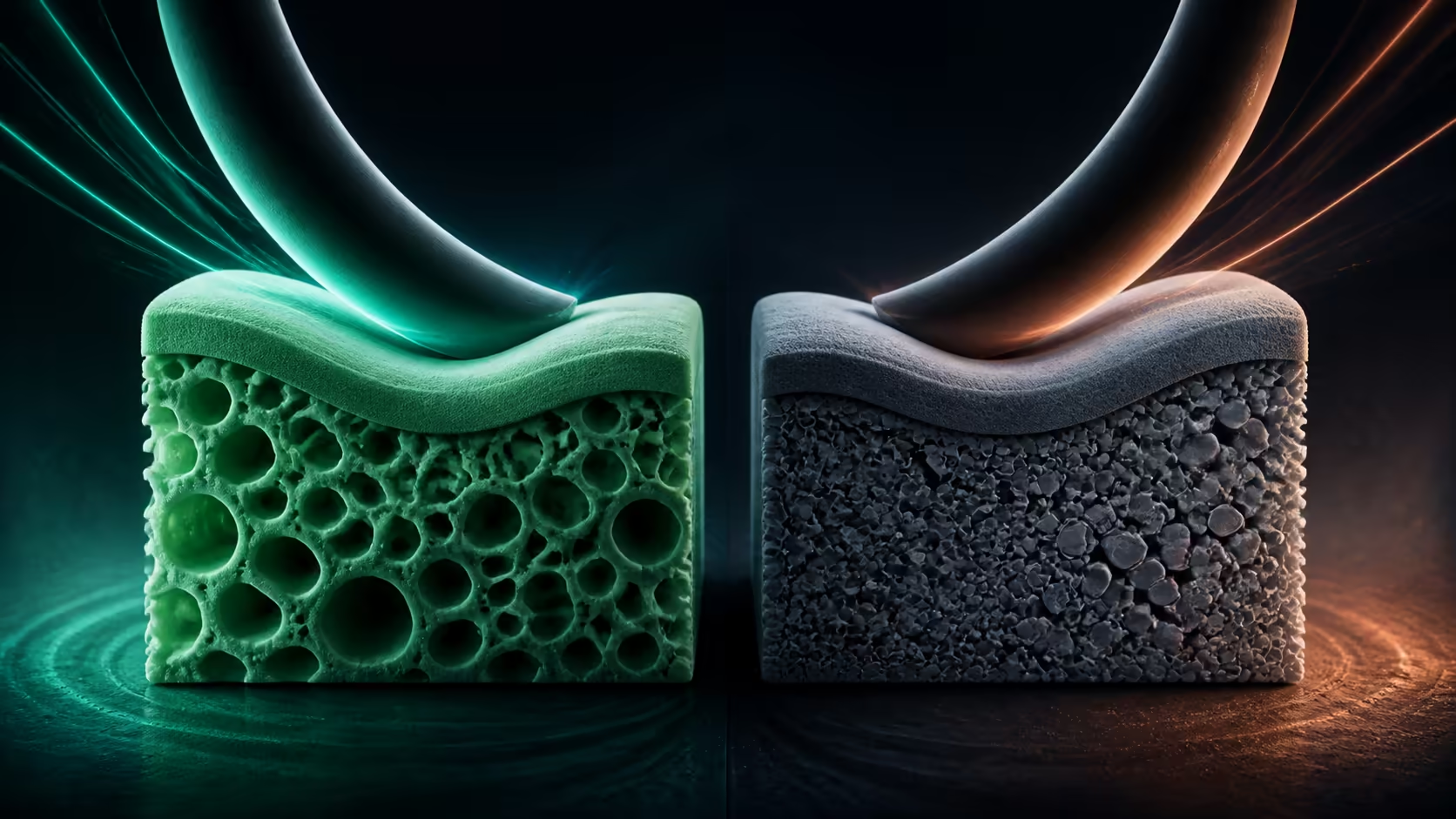
Chair padding is not a single softness number. Cold-cured moulded foam vs standard chair padding compares how cushions are formed, layered, shaped and used, while the seated result still depends on body dimensions, upholstery and posture. The R3,599 Arozzi Avanti uses cold-cured moulded foam, giving the discussion a concrete gaming-and-office reference.
Quick Answer
Cold-cured moulded foam begins as a shaped cushion, allowing consistent contours across its intended seat. Standard padding can include cut foam, layers or other constructions with widely varying quality and firmness. At R3,599, the Avanti combines its moulded cushion with soft fabric, a steel frame, reclining/tilting movement and headrest pillow, so evaluate the foam inside the complete seating system.
🧪 Compare manufacturing ideas, not marketing ranks
Moulding creates a defined three-dimensional piece. Designers can shape transitions between the central seat, edges and supporting contours. This does not reveal a universal firmness or fit, but it explains why the cushion should be judged as a form rather than a flat pad.
Standard padding is too broad a term to predict behaviour. A chair may use a cut slab, multiple layers, fibre, mesh support or combinations. Two standard foam seats can feel and age differently because their density, thickness and geometry differ.
Pressing with a hand reveals only local softness. A seated body spreads force over a larger area and remains there far longer. A meaningful test therefore uses normal posture, clothing and at least an hour of task time.
Thickness also needs context. A thick low-support cushion can collapse while a thinner well-designed seat distributes pressure effectively. Visual bulk does not tell the user where the pelvis and thighs will load.
Browse gaming chair construction with process, shape and full-seat fit separated into their own questions.
🗺️ Map pressure across the seat
Sit back so the pelvis reaches the rear support and both feet remain stable. Note contact under the left and right thighs, centre, tailbone area and seat edge. A rough body map is more useful than writing only soft or hard.
Clear back pockets and smooth thick clothing seams. A phone or wallet tilts the pelvis, while a belt buckle can create concentrated pressure. Correct these variables before attributing asymmetry to foam.
Leave space behind the knees. If the front edge presses, inspect seat depth and height relationship. Sliding forward to escape the edge often increases load elsewhere and prevents the backrest from supporting the torso.
Repeat the map after a modest recline. The Avanti's tilting mechanism shifts some load towards the backrest. Useful redistribution should reduce a pressure pattern without making feet lift or hips slide.
Add movement to the map. Reach for the mouse, turn towards a second screen and lean forward to write a note. The cushion should allow those ordinary actions without making the body fight a raised edge or abandon the backrest entirely. This functional test often exposes a mismatch that a perfectly still trial hides.
The under-R4,000 gaming chair range places the R3,599 moulded-foam Avanti beside other cushion approaches in the same budget conversation.
⏳ Test recovery and support over time
The first sit emphasises surface softness. The second hour reveals whether the body remains centred and whether pressure builds. Use a real work block or game session, then stand and leave the seat unloaded.
Do not place bags or boxes on the cushion during the break. Normal rest lets the seat move away from body heat and pressure. Return after several minutes and compare support, avoiding exaggerated expectations about instant visible recovery.
Temperature changes perception. Foam warmed by the body can feel different from its morning state, while clothing changes friction and cushioning. Compare similar conditions across multiple days before deciding a permanent change has occurred.
Long-term comfort also depends on movement. Even a supportive moulded cushion cannot replace standing, walking and muscle activity. Set breaks before numbness or stiffness becomes the trigger.
The Avanti's headrest pillow and backrest mechanism alter upper-body load, while its steel frame provides structure. A successful foam test holds those other settings constant or records exactly what changed.
🧼 Protect cushioning beneath upholstery
Soft fabric is the barrier between daily use and the Avanti's moulded foam. Vacuum dry debris first. Blot a spill rather than rubbing it through the weave, and keep cleaning liquid to the minimum necessary.
Air-dry fully before sitting again. Body weight on damp foam can drive moisture deeper and slow evaporation. Strong direct heat may affect material and should not replace ordinary ventilation.
Keep sharp objects, pet claws and concentrated knee loads away from the seat. Damage to upholstery exposes padding to dirt and snagging. Use the chair as a chair, not a step, shelf or equipment stand.
Do not try to flip or rotate an integrated moulded cushion as if it were a loose sofa pad. Posture variation belongs to the body and mechanism, not dismantling the seat.
Compare office chair cushioning when long desk work is the main use. Standard, moulded and alternative support approaches should all pass the same pressure and task tests.
🧭 Decide which difference matters to the buyer
A user who values a consistent shaped seat may favour moulded foam. Another user may prefer a different firmness, seat depth or flexible support even when its construction is labelled standard. Fit outranks process preference.
Budget comparisons must keep upholstery, frame and movement equal where possible. Paying more for a foam label while losing a needed posture or desk fit can reduce overall value.
At R3,599, the Avanti demonstrates how cold-cured moulded foam can sit inside a complete fabric reclining chair. Its value is the interaction of cushion, steel structure, movement and head support, not foam in isolation.
Use a seven-day decision sheet: pressure map, temperature, return after breaks, posture stability, cleaning and task transitions. The material that supports the user's routine through that evidence is the better choice.
Keep language precise when comparing results. Calling a seat firm may mean supportive to one person and uncomfortable to another; calling it soft can describe the first touch rather than the second hour. Write down where pressure occurs, when it begins and what posture changes it. Those observations can be repeated, while a single comfort score cannot explain why two buyers disagree.
If several people share the chair, collect separate maps rather than a household average. Body dimensions change where the shaped cushion carries weight. One user's successful result cannot substitute for another user's seated trial, even when their tasks and preferred posture appear similar.
Frequently Asked Questions
Is cold-cured moulded foam always better than standard padding?
No. It offers a formed construction, while individual fit, firmness, seat geometry and overall chair design determine comfort.
Can a hand press reveal foam quality?
Only partially. Seated weight, body area, heat and time create a different test. Use the chair through a normal task block.
Why does seat-edge pressure matter?
Pressure behind the knees can make the user slide forward, losing back support and changing the cushion's intended load pattern.
Does foam recover while the chair is empty?
It unloads and cools when nobody sits, but behaviour varies by design and use. Compare repeated normal sessions rather than one visual rebound.
How should moulded foam be cleaned?
Protect it through gentle fabric care: remove dry debris, blot with minimal moisture and allow complete air-drying without strong heat.
Ready to compare chair padding with a pressure map instead of a thumb press?
Explore Evetech's seating, keep posture and task conditions consistent, and let shape, support over time and care decide the cushion.