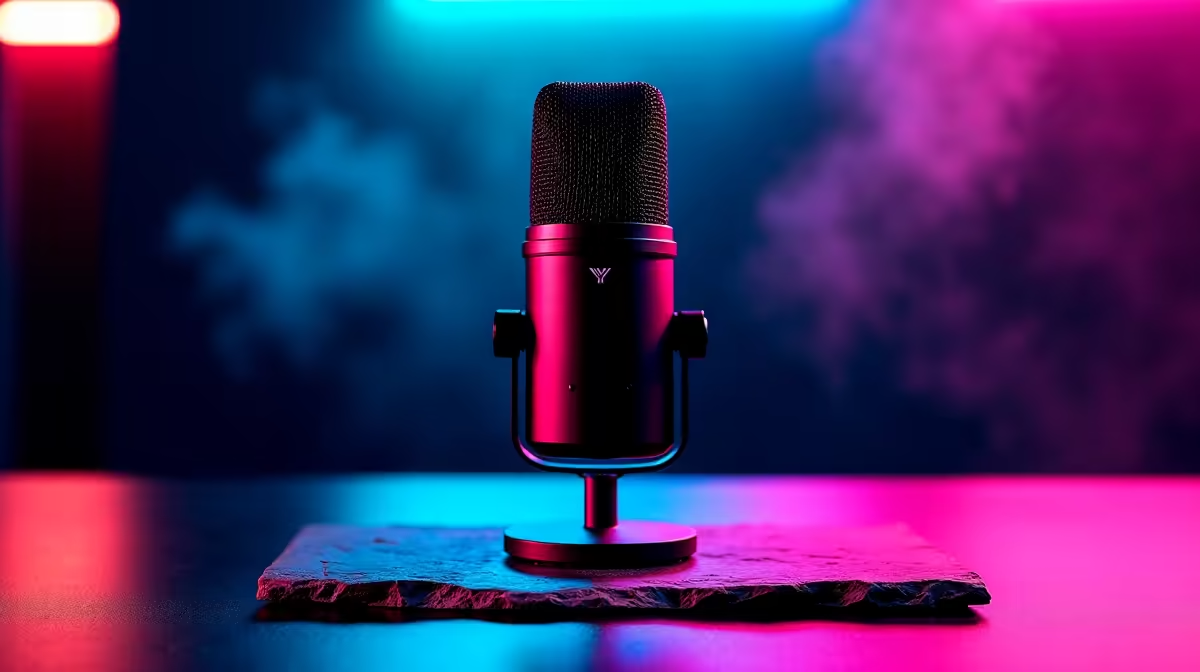
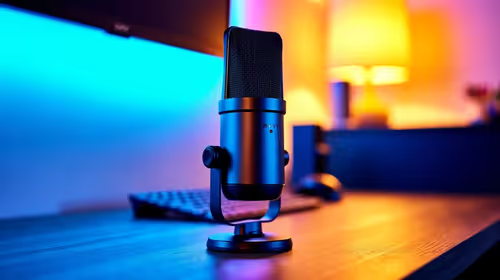
A gaming microphone is the difference between clear team comms and a muddy stream, and the options split cleanly by connection type and use case. Ranking them for SA buyers means weighing USB convenience against XLR quality, plus polar pattern and stand needs for your space.
Quick Answer
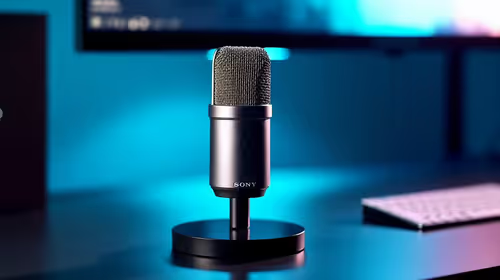
The best gaming microphones in SA are quality USB condenser mics for plug-and-play streaming and a cardioid XLR mic with an audio interface for the highest quality, typically R1,000 to R4,000 at Evetech depending on type. For most gamers and streamers a USB cardioid mic is the value pick, easy to set up and great sounding; step to XLR only when you want studio-grade audio and room to expand.
The specs that rank a gaming mic
Connection leads the decision: USB mics are plug-and-play and ideal for most setups, while XLR mics need an audio interface but offer higher quality and upgrade flexibility. Polar pattern matters, a cardioid pattern picks up your voice from the front while rejecting background noise, which is ideal for gaming in a normal room. Look for a mic with a quality stand or boom arm mount, a pop filter, and a headphone monitoring jack on USB models for zero-latency self-monitoring.
Matching a mic to your setup
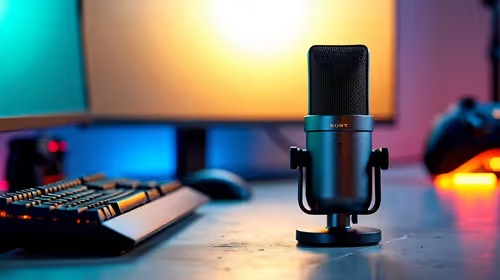
For team comms and casual streaming, a USB cardioid condenser mic on a boom arm is the clean, affordable choice, position it close and angle it slightly off-axis to reduce plosives. For serious content creation, an XLR cardioid dynamic mic with an interface rejects room noise well and sounds professional. Add a pop filter and treat obvious echo with soft furnishings. Mount the mic on a boom arm rather than the desk to avoid picking up keyboard and mouse vibration.
mic on a boom arm, not the desk stand, it keeps keyboard and mouse thumps out of your audio and lets you position it close for a fuller voice.
FAQ
What is the best gaming microphone in SA?
A USB cardioid condenser mic is the value pick for most gamers and streamers, easy to set up and great sounding. An XLR mic with an interface is the step up for studio-grade audio.
USB or XLR for a gaming mic?
USB for plug-and-play simplicity and great results, ideal for most setups. XLR for the highest quality and room to expand, but it needs an audio interface.
How do I reduce background noise on a gaming mic?
Use a cardioid mic that rejects sound from the rear, position it close on a boom arm, add a pop filter, and treat obvious echo with soft furnishings in the room.
For most setups, a USB cardioid mic on a boom arm is the value pick, add a pop filter, in stock at Evetech.