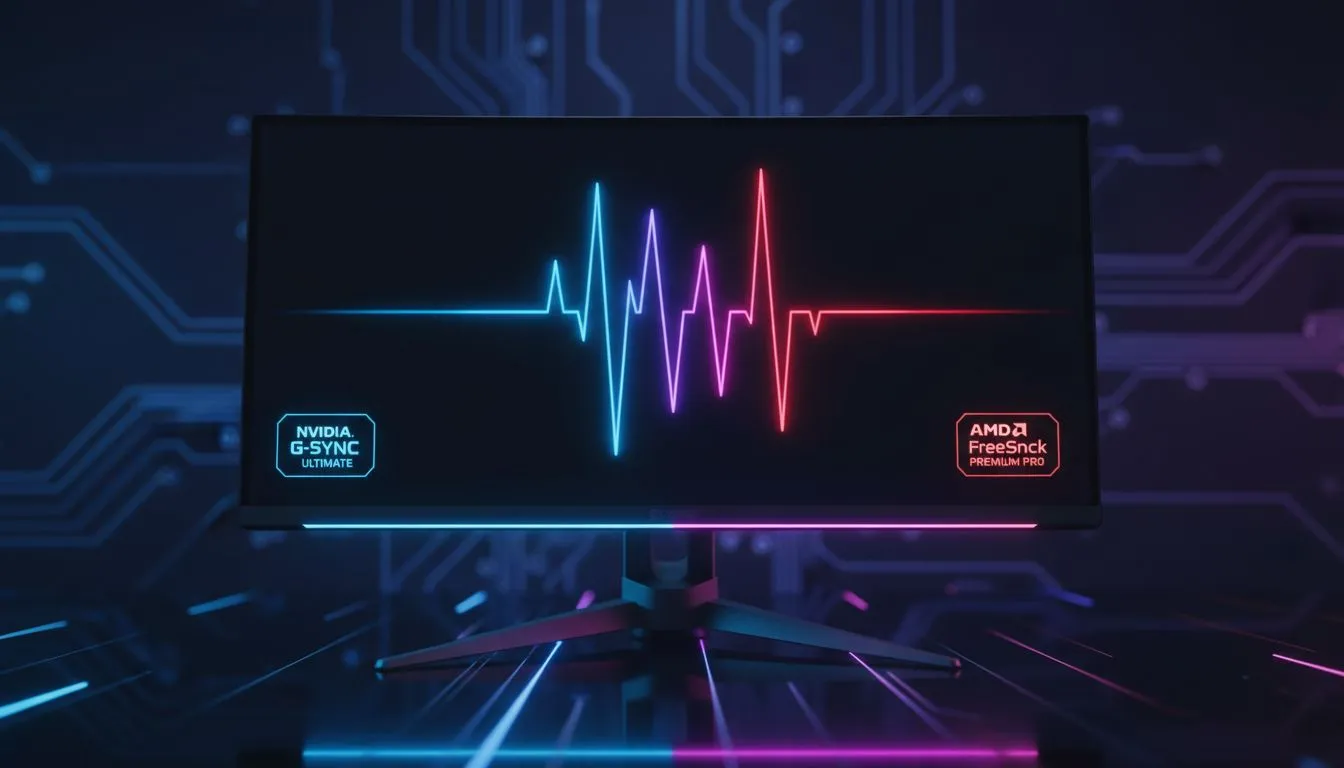
Nothing ruins a clutch moment in Apex Legends or Warzone like screen tearing. You have spent thousands on a high-end GPU... only for the image to split when you turn too fast. This is why G-SYNC vs FreeSync: Variable Refresh Rates Explained is the most important topic for any local gamer looking to upgrade their PC monitors. Understanding these technologies ensures your screen stays perfectly in sync with your hardware. 🔧
Understanding the Basics of Variable Refresh Rates
At its core, Variable Refresh Rate (VRR) allows your monitor to communicate directly with your graphics card. Traditionally, monitors refreshed at a fixed rate... usually 60Hz or 144Hz. If your GPU produced frames slower or faster than that, you saw "tearing" or "stuttering".
By using VRR, the monitor waits for the GPU to finish a frame before displaying it. This results in fluid motion that feels much more responsive. If you are hunting for the best PC monitor deals in South Africa, you will notice that almost every modern display supports some form of VRR.
NVIDIA G-SYNC: The Premium Standard
NVIDIA’s solution, G-SYNC, originally required a dedicated hardware module inside the display. This ensures extremely low latency and a wide refresh rate range. Because NVIDIA tightly controls the certification, you are guaranteed a high-quality experience. When browsing all gaming monitors, look for "G-SYNC Compatible" if you want the benefits without the higher price tag of the hardware module versions. ⚡
AMD FreeSync: The Open Alternative
AMD took a different approach with FreeSync. It uses the "Adaptive-Sync" standard built into DisplayPort and HDMI. Since it does not require expensive proprietary hardware, it is often much more affordable for the average gamer. You can find excellent FreeSync support across many 5K & 4K monitors which are perfect for both work and high-resolution gaming.
Smoothness Pro Tip ⚡
Always use a high-quality DisplayPort cable rather than HDMI if you want to ensure the widest VRR range. Some older HDMI standards do not support G-SYNC or FreeSync properly... especially at high refresh rates. Checking your cable is the easiest way to optimise your visual clarity without spending a cent.
Choosing the Right Panel for Your Setup
Your choice often depends on your current graphics card. NVIDIA users can now use many FreeSync monitors... but AMD users are still locked out of proprietary G-SYNC modules. If you prefer an immersive experience, many curved monitors offer deep contrast ratios that make VRR even more noticeable in dark scenes.
For those on the move, even portable monitors are starting to adopt these sync technologies. No matter your choice, ensure you have the right monitor accessories like adjustable arms to keep your screen at eye level. This prevents neck strain during those long weekend sessions in Elden Ring. 🚀
Ready to Find Your Perfect Match?
The G-SYNC vs FreeSync debate is complex, but for maximum smoothness and value in South Africa, Evetech has the perfect display for you. Explore our massive range of gaming monitors and find the perfect machine to conquer your world.