Quick Answer
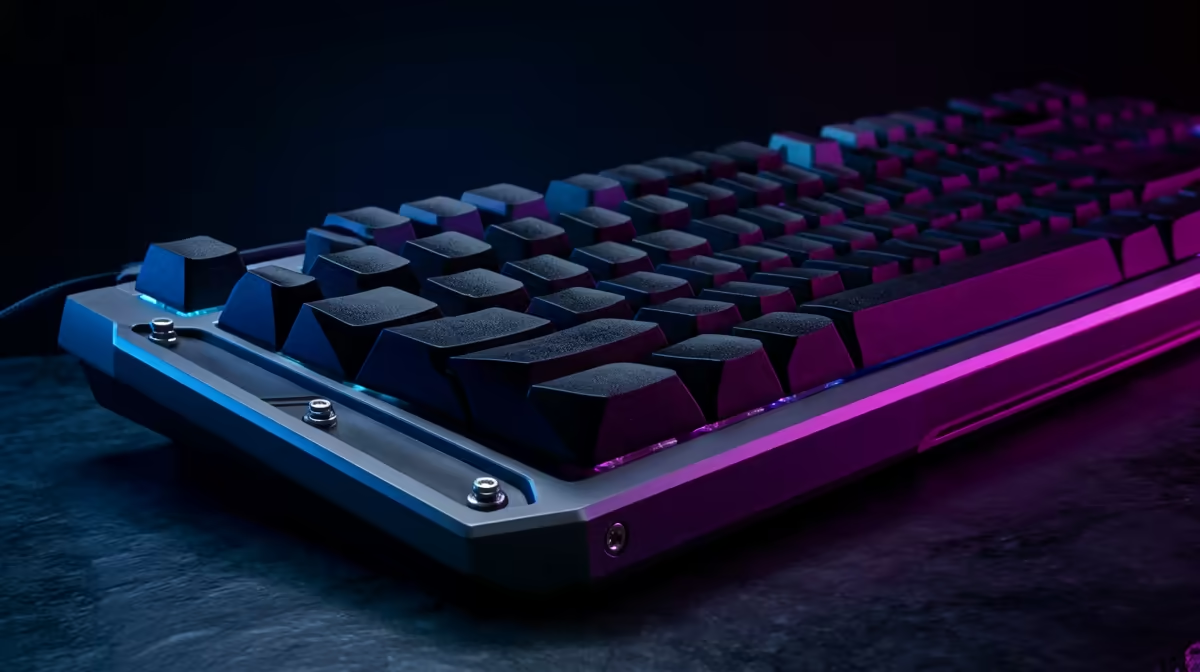
For architecture portfolio work, the keyboard checklist is: full-size or TKL layout with a numpad-or-nearby, low-noise switches, dedicated media keys and solid build, around R600-R1,800. A reliable membrane or quiet linear mechanical like a Redragon or Logitech board is fine; you're typing notes and shortcut-driving Revit, not chasing 8,000Hz polling.
What actually matters for portfolio work
Architecture is heavy on keyboard shortcuts in Revit, AutoCAD and Photoshop. Prioritise a full layout with a numpad for dimension entry, comfortable key travel for long sessions, and quiet switches so a shared res or studio stays peaceful. N-key rollover helps when chaining modifier shortcuts.
Where a "gaming" keyboard helps and where it doesn't
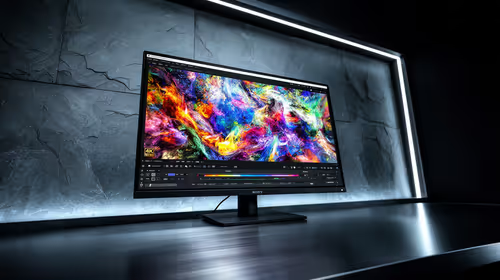
Gaming boards bring durable switches and programmable macros, genuinely useful for binding repetitive CAD commands. RGB and ultra-high polling rates do nothing for drawing; don't pay extra for them. The GPU and screen drive your portfolio renders, not the keyboard.
SA buyer notes
A R600-R900 quiet mechanical lasts years of daily studio use. Pair it with a CAD-capable machine, an RTX 4060 laptop renders Revit views smoothly, rather than overspending on the keyboard.
FAQ
Do architecture students need a mechanical keyboard?
Not strictly, but a quiet linear mechanical lasts longer and feels better for long shortcut-heavy sessions in Revit and AutoCAD. A good membrane board around R600 also works.
Is a numpad worth it for CAD work?
Yes. Fast dimension and coordinate entry is much quicker with a dedicated numpad, so a full-size or numpad-equipped TKL layout is the practical pick.
Should I pay for high polling rates and RGB?
No. Those help competitive gaming, not drawing. Spend the difference on a faster GPU like an RTX 4060 that actually speeds up renders.
quiet full-size keyboard with macro keys and bind your three most-used Revit or AutoCAD commands to them; that saves more time than any premium switch upgrade.