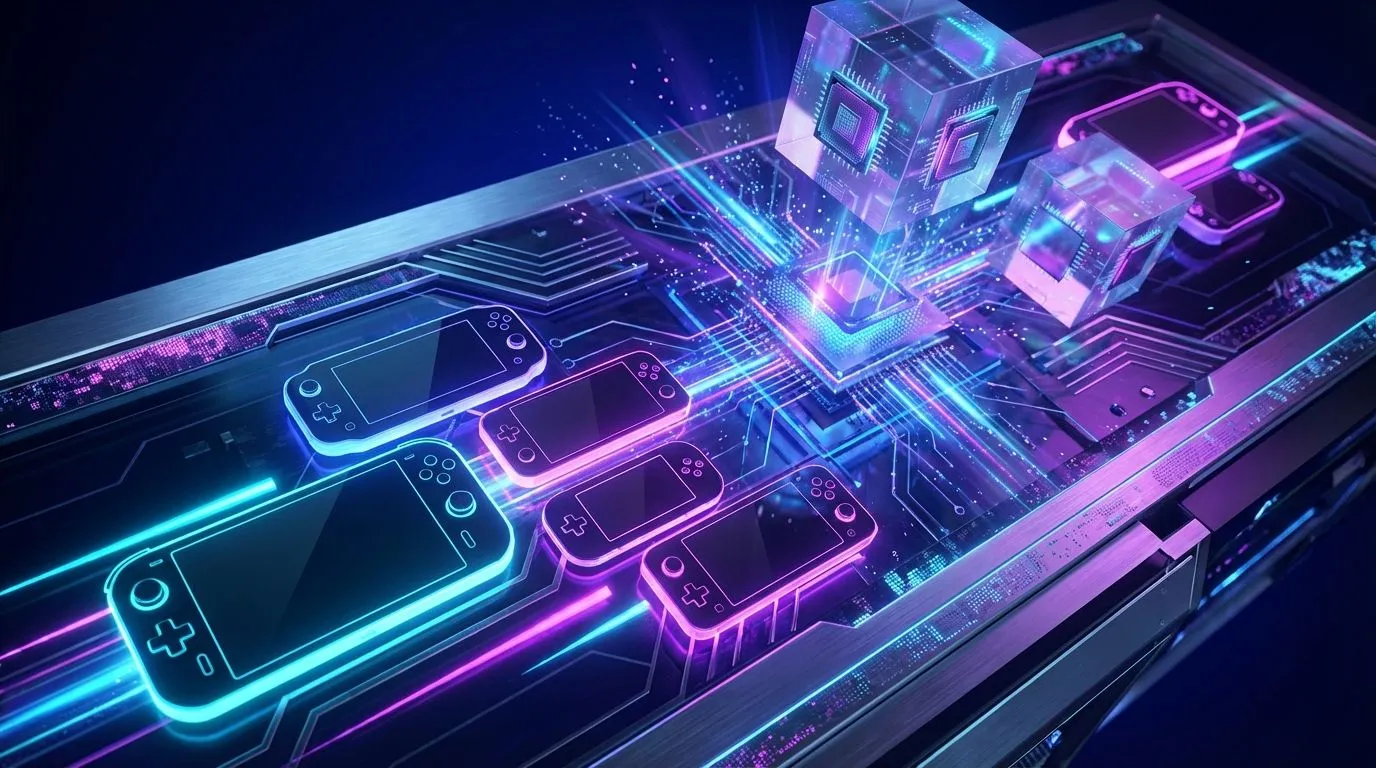
So, you’re ready to take your PC library on the road? Handheld gaming consoles are booming in South Africa, offering a brilliant escape during load shedding or a long commute. But with so many options, choosing the right one can feel overwhelming. This handheld gaming console comparison cuts through the noise, focusing on the three specs that truly define your experience: the screen you stare at, the RAM that juggles tasks, and the storage that holds your games.
Handheld Gaming Console Comparison: The Screen
The screen is your window to virtual worlds, and not all windows are created equal. It's the first thing you notice and can make or break your immersion. When comparing handheld consoles, you’ll mainly encounter two types: vibrant OLEDs and crisp, fast LCDs.
OLED screens, like the one on the Steam Deck OLED, offer perfect blacks and incredible colour contrast. Each pixel lights itself, meaning dark scenes in games like Alan Wake 2 look truly dark, not a washed-out grey. On the other hand, high-refresh-rate LCDs found on powerhouses like the ASUS ROG Ally offer smoother motion, which is fantastic for fast-paced shooters.
Consider this:
- Resolution: Is 720p enough for a 7-inch screen, or do you want the sharpness of 1080p or even higher? More pixels demand more power.
- Refresh Rate: A 120Hz screen provides a much smoother experience than a 60Hz one, but again, it will use more battery.
- Brightness: For gaming outdoors in sunny SA, a brighter screen is non-negotiable.
RAM: The Unsung Hero of Handheld Performance
Think of RAM (Random Access Memory) as your console's short-term memory. It holds all the data the processor needs right now—the game world, character models, and the operating system itself. In a handheld gaming console comparison, 16GB of fast LPDDR5 RAM has become the gold standard.
Why does it matter? With 16GB, you can run demanding AAA titles smoothly and even have a few background apps like Discord open without a stutter. Consoles like the Lenovo Legion Go use this amount to ensure a seamless experience whether you're playing Cyberpunk 2077 or multitasking on the Windows 11 desktop. Less than 16GB could lead to performance issues in modern titles, so it's a key spec to watch. ✨
Storage: Speed, Space, and Your Game Library
Modern game sizes are… well, massive. Call of Duty can easily gobble up over 200GB. This makes storage one of the most critical aspects of any handheld console. You need to consider both the size and the speed.
All modern handhelds use fast NVMe SSDs (Solid State Drives), which means lightning-fast loading times. The real question is how much space you need. A 512GB model is a good starting point, but if you hate uninstalling games, a 1TB model from brands like MSI is a worthy investment. Most devices also include a microSD card slot for easy, affordable expansion. 🚀
Storage Saver Tip 🔧
Use a tool like CompactGUI to compress games on your handheld's SSD. It can shrink file sizes for older or less-played games by 20-40% without a noticeable performance hit, freeing up precious gigabytes for your next big download. It's a must-have for managing a 512GB drive.
Ultimately, the best handheld gaming console for you depends on your priorities. Do you value a stunning OLED display for story-driven games, or do you need the smoothest performance and largest screen for competitive play? By comparing the screen, RAM, and storage, you can make an informed choice that perfectly fits your gaming style.
Ready to Game Anywhere?
The perfect handheld is waiting. Whether you prioritise a stunning screen, raw power, or massive storage, the right device will transform your downtime. Explore our full range of handheld gaming consoles and find the perfect machine to level up your playtime.