Tired of fumbling for a charging cable in the dark, especially when the power clicks off? You're not alone. Wireless charging feels like magic... just place your phone on a pad and it powers up. But it’s not magic, it's brilliant science. So, how does wireless charging work, really? It’s simpler than you think, and understanding it can help you choose the perfect power solution for your setup. Let's dive in.
The Science Behind the Simplicity: How Wireless Charging Works
At its heart, wireless charging works using a principle called electromagnetic induction. It sounds complex, but the idea is straightforward. Think of it as a conversation between two coils.
Inside the charging pad, there's a transmitter coil. When you plug the pad into the wall, electricity flows through this coil, creating a small, oscillating magnetic field around it. Your smartphone, wireless earbuds, or other compatible device has a similar (but smaller) receiver coil built into it.
When you place your device onto the pad, its receiver coil enters the magnetic field. This field then "induces" an electric current in the receiver coil… and that current is what charges your device's battery. No plugs, no fuss. ⚡
Understanding the Standards: Qi and Beyond
While the science of wireless charging is universal, different brands needed a common language to speak. That’s where charging standards come in. The most important one by a long shot is Qi (pronounced "chee").
Qi is the open standard developed by the Wireless Power Consortium (WPC) and is used by virtually every major manufacturer, including Apple, Samsung, and Google. This means a Qi-certified charger will work with any Qi-certified device, which is fantastic for compatibility. When you're browsing for the latest charging solutions, looking for the Qi logo is the easiest way to guarantee it'll work with your gear.
Is Wireless Charging Right for You? The Pros and Cons
So, you understand how wireless chargers function. But should you get one? For most South African tech lovers, the convenience is a massive win.
The Upsides ✨
- Ultimate Convenience: Simply dropping your phone on a stand on your desk or bedside table is incredibly easy.
- Reduced Wear and Tear: You're not constantly plugging and unplugging a cable, which saves your device’s charging port over time.
- A Cleaner Setup: Fewer cables mean a tidier, more organised desk. This is a huge plus for gamers and creators who want a minimalist aesthetic. A good charger is one of the most underrated essential gaming accessories.
The Downsides
- Slightly Slower Speeds: While improving, wireless charging is often a bit slower than the fastest wired charging options. However, for overnight charging or topping up at your desk, it’s more than fast enough.
- Placement is Key: You can't just toss your phone in the general direction of the pad; the coils need to be aligned for it to work.
Luckily, many of the speed and efficiency concerns are being addressed by top brands like Promate, who are pushing the technology forward.
Wireless Charging Pro Tip ⚡
Most thin plastic, silicone, or leather phone cases (under 3mm) work perfectly with Qi chargers. However, very thick, rugged cases or any case with metal plates or a PopSocket on the back will block the magnetic field and prevent your device from charging. Always check before you buy!
Choosing Your First Wireless Charger: Key Features
Ready to make the jump? Here’s what to look for when choosing a wireless charger.
Wattage (Power Output)
This is the most important factor for charging speed. It's measured in watts (W). While 5W is standard, many modern phones support faster 7.5W, 10W, or even 15W charging. Check your phone's specifications and match it with a charger that can deliver that power to get the best speeds.
Form Factor: Pad vs. Stand
- Pads are flat and low-profile, great for nightstands.
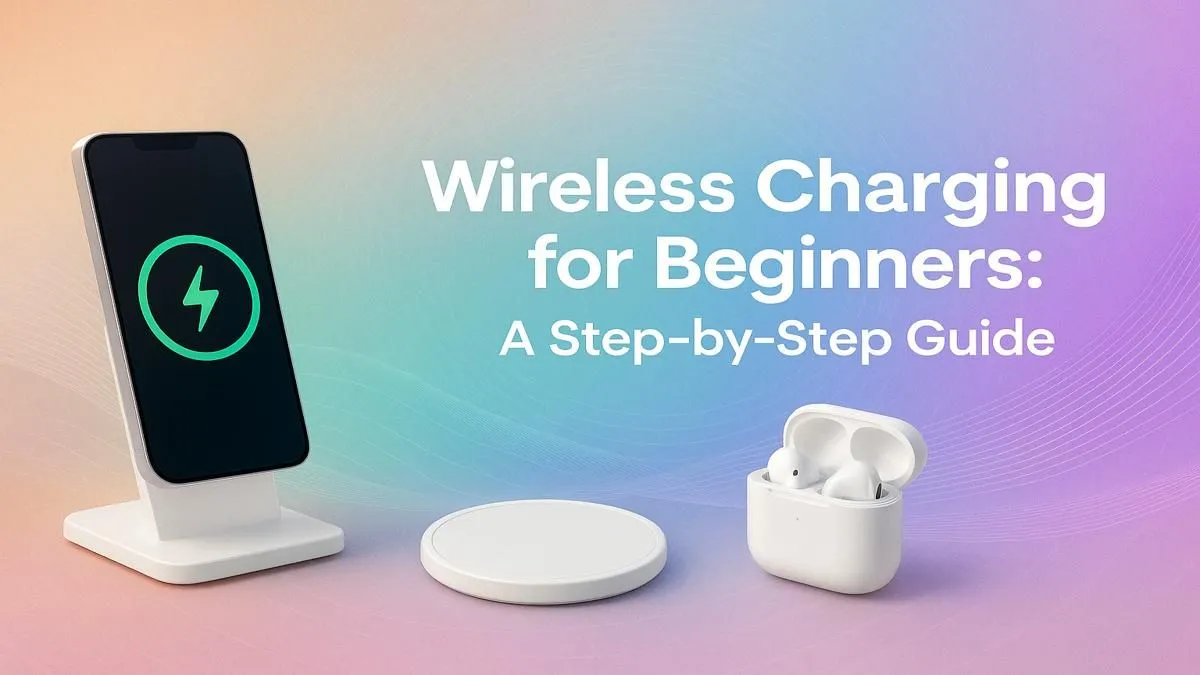
- Stands prop your phone up, making them perfect for your desk. You can easily see notifications or use facial recognition without picking up your phone.
A quick search for Promate charging gear shows a great mix of both styles, often with multiple coils to make positioning easier. Always look for safety features like over-temperature and over-voltage protection to keep your devices safe.
Ready to Cut the Cord?
The convenience of a cable-free life is undeniable. For a cleaner desk and an easier way to power up your essential tech, a wireless charger is a must-have. Browse our full range of wireless chargers and find the perfect power-up for your setup.