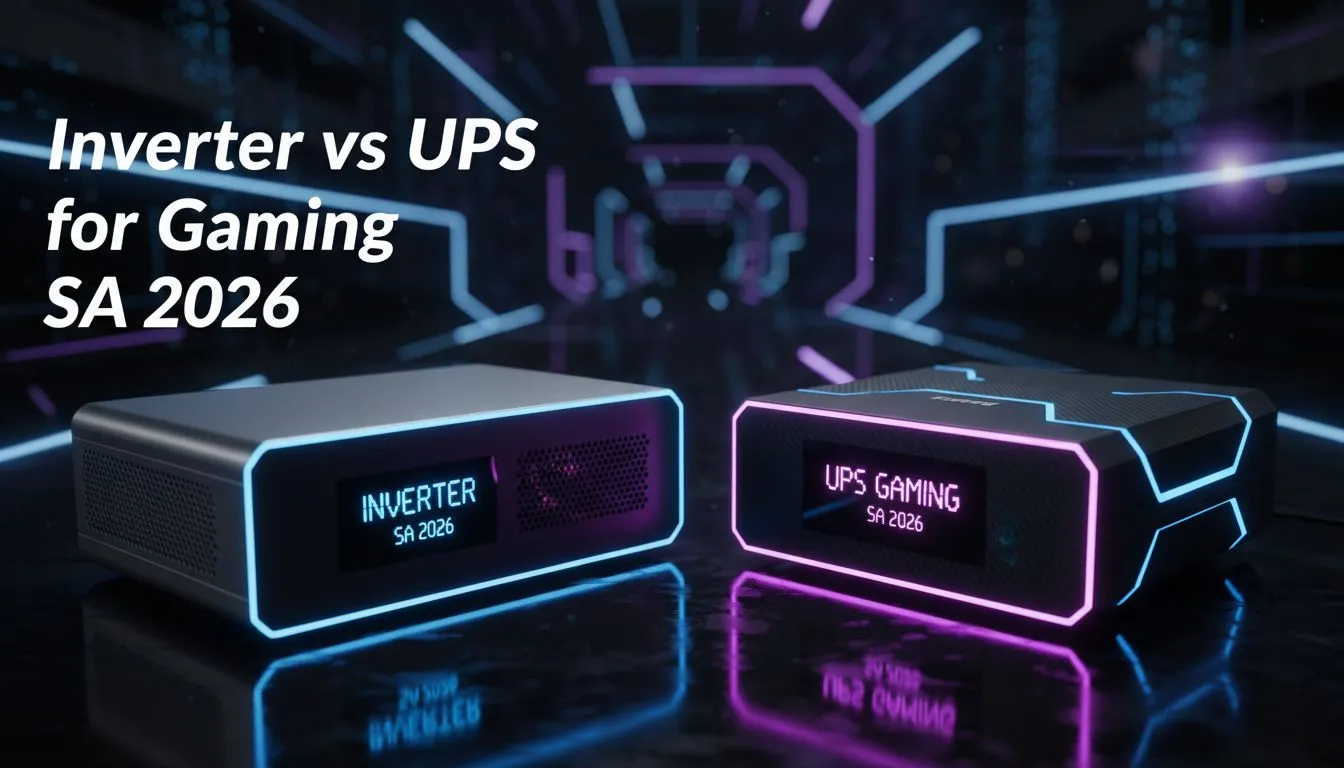
It’s the final circle in Apex, the tension is thick, and you’ve got the perfect flank... then your screen goes black. The silence is deafening. Load shedding strikes again. For South African gamers, this isn’t just an inconvenience; it’s a rage-inducing, rank-losing disaster. As we look towards 2026, the question isn’t if you need backup power, but which one wins in the great inverter vs UPS for gaming debate. Let’s plug in and find out.
Understanding the Core Difference: UPS vs Inverter
Before you can choose a winner, you need to know the players. Think of it like choosing between a shotgun and a sniper rifle... both are useful, but for very different situations.
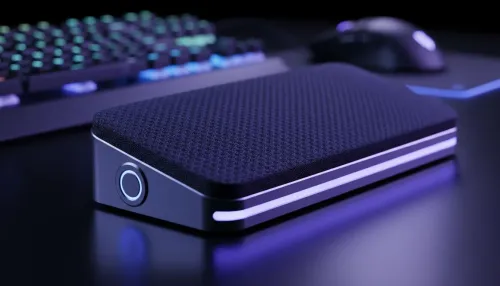
A UPS (Uninterruptible Power Supply) is your shotgun. It’s a box with a battery designed for one critical job: to provide instant, seamless power the moment the main supply cuts. The switch is so fast (0 milliseconds on a good unit) that your PC won’t even flicker. Its purpose is to give you a few precious minutes to save your progress and shut down safely.
An inverter, on the other hand, is your sniper rifle. It’s a long-range solution built to run your electronics for hours. It takes DC power from larger, deep-cycle batteries and converts it into the AC power your devices use. It’s the key to surviving a full Stage 4 load shedding block without interruption.
The Case for a UPS for Your Gaming Rig ⚡
For most PC gamers, the primary concern is preventing that sudden, data-corrupting shutdown. This is where the UPS truly shines.
The number one reason a UPS is essential for gaming is its instantaneous transfer time. When the power cuts, your game, your Discord call, and your stream carry on without a single dropped frame. It’s the ultimate defence against a sudden digital death.
Furthermore, a quality UPS also acts as a shield, offering surge protection and power conditioning. It smooths out the dips and spikes common in our grid, protecting the sensitive components in your multi-thousand-Rand rig. If you're serious about gaming, a dedicated power backup is non-negotiable. You can browse a wide variety of UPS for sale to find one that matches your rig's needs.
The only real downside? Runtime. A standard UPS will keep a powerful gaming PC running for maybe 5-15 minutes... just enough time to gracefully exit your match, not win it.
Why an Inverter Might Be Your Long-Term Solution
What if you don’t just want to survive the switch-off, but conquer the entire two-hour outage? That’s inverter territory.
An inverter system, paired with the right batteries, can power your entire setup—PC, monitors, router, and lights—for the full duration of load shedding. You can finish your ranked match, start another one, and still have power to spare. A powerful enough system can even keep your essential smart home appliances running.
However, there’s a critical catch for gamers: transfer time. Many budget-friendly inverters have a slight delay (from 20ms to over 100ms) when switching from grid to battery power. It’s fast, but not fast enough for a PC. That delay will cause your machine to restart, defeating the purpose for uninterrupted gaming. You need a more expensive Pure Sine Wave inverter with a very fast transfer time, or an "Online" (Double-Conversion) UPS/inverter to avoid this.
Calculate Your Power Needs 🔧
't guess your power requirements! To find the right size UPS, add the wattage of your PC (check your Power Supply Unit's rating) and your monitor(s). Take that total wattage and multiply it by 1.6 to get the minimum VA (Volt-Amperes) rating you should look for. For example: a 550W PC + 50W monitor = 600W. 600 * 1.6 = 960VA. Aim for a 1000VA UPS or higher.
The Hybrid Approach: The Undisputed Champion Setup 🚀
So, what’s the ultimate solution in the inverter vs UPS for gaming battle? Using both.
This pro setup gives you the best of both worlds:
- The Inverter: This is your workhorse. It powers the wall sockets in your room for hours during load shedding. It can run your lights, router, and even charge your other cool gadgets or car tech.
- The UPS: This is your bodyguard. You plug your PC and primary monitor directly into the UPS, which is then plugged into the inverter-powered wall socket.
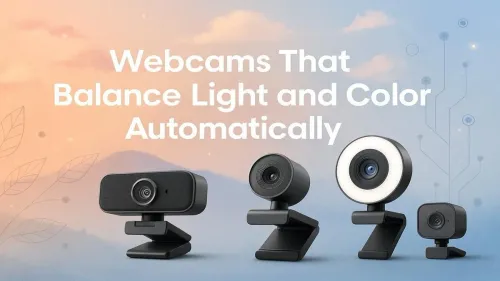
When load shedding hits, the inverter might have a tiny switchover delay. But your UPS bridges that millisecond gap perfectly. Your PC never sees the interruption. You get the instant protection of the UPS combined with the marathon runtime of the inverter. You can keep your stream live with uninterrupted webcams for streaming and ensure all your vital monitor accessories stay powered on.
The Verdict for SA Gamers in 2026
So, which backup power solution wins? It depends on your goal.
- For protection and safe shutdowns: A standalone UPS is the essential, non-negotiable starting point for any serious PC gamer in South Africa. It's the most cost-effective way to protect your hardware.
- For uninterrupted, long-form gaming: The hybrid UPS + Inverter setup is the undisputed champion. It’s a bigger investment, but it’s the only way to truly make load shedding irrelevant to your gaming sessions.
Ultimately, a reliable power solution is as crucial as your graphics card. It’s an investment in protecting your expensive components and, more importantly, your sanity. Don't let unstable power be the reason you need new graphics card accessories or worse, a whole new GPU.
Ready to Conquer Load Shedding?
The inverter vs UPS for gaming debate is complex, but for instant, seamless protection for your rig, a quality UPS is your first line of defence. Explore our massive range of UPS solutions and never let a power cut end your winning streak.