A child's first YouTube kit should make recording simple while keeping a parent in control of the account, room and publishing. A phone or family computer may already handle the camera and editing, so no gaming PC is required for basic talking, craft or screen-free videos. The R5,000 ceiling should cover only named gear that serves the supervised plan.
Quick Answer
Start with the device you own, one safe stable mount, a close microphone and a cool soft light. A webcam is useful for fixed desk videos; a headset mic can be easier for a child who moves. A parent should create and manage the account, review the platform's current age and supervision rules, approve every upload and keep personal details out of frame.
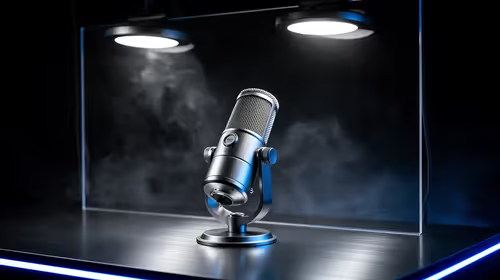
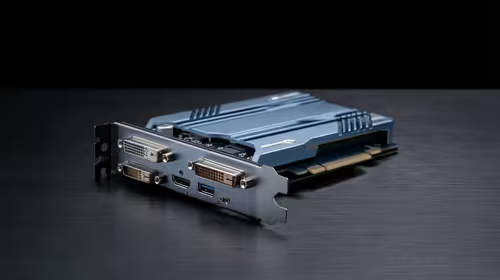
Evetech's streaming essentials help you compare simple microphones, lights and mounts. The webcam range gives you a fixed camera option for a shared family PC.
Begin With the Content Plan
Choose offline recording rather than live streaming for the first videos. Editing gives the parent time to review what appears and what is said.
Write a short idea, shot list and maximum recording time. Keep school, home and daily routine details out of scripts.
Decide where the video will be stored and who can publish it.
Follow Current Platform Rules
YouTube and Google set age, account and supervised-experience rules that can change. Read the current official guidance for your country and account type.
Do not let a child enter a false age or manage an unsupported account alone. A parent should control recovery email, security and privacy settings.
This article cannot replace the platform's current terms or parental judgement.
Use a Shared Device First
A phone can record strong video. A family laptop can edit simple clips. Test both before buying a gaming PC.
Create a separate supervised user profile where appropriate. Keep work documents, email and saved passwords away from the recording account.
Back up original clips to a parent-controlled location.
Choose the Microphone for Movement
A headset mic stays close when a child turns their head. A small USB desk mic can sound fuller when the child can remain seated at a fixed distance.
Avoid a heavy boom arm over a play area. Check clamp security and cable routes.
Record normal, quiet and excited speech. Keep levels below clipping.
Add Safe Soft Light
Use a cool-running purpose-built light with a stable base or rated clamp. Set it a little higher than the child's eyes and angle it gently from beside the camera.
Keep mains cables away from feet and chair wheels. An adult should set up and supervise powered gear.
Window light can work, though it changes through the day. Never balance a lamp on unstable furniture.
Decide Whether a Webcam Helps
A webcam stays on the family PC and is easy to select in recording software. Check its privacy cover and application permissions.
The phone may look better and needs a secure mount. A camera should never expose messages or location data in the recorded screen.
Buy the webcam when fixed, repeatable setup makes supervision easier.
Frame the Room for Privacy
Remove school uniforms, certificates, addresses, family photographs and views through a recognisable window.
Check mirrors and glossy screens. A tight simple background gives less private information away.
Do not share the child's school, surname, routine or live location. Review spoken words as well as the picture.
Record, Review, Then Upload
Keep live broadcasting off at the start. Record locally and watch the full video with the child.
Remove accidental names, notifications, copyrighted background media and unsafe challenges. Check thumbnail and title too.
The parent should control upload visibility, comments and moderation according to current platform tools.
Keep Comments and Contact Managed
Do not publish a child's personal email or invite private contact. Use parent-controlled channels where a public contact is genuinely needed.
Review comments through the platform's current supervision and moderation options. Block and report harmful behaviour rather than engaging.
Stop publishing when the experience causes distress or pressure.
Build the R5,000 Basket
List microphone, safe mount, light, webcam only if needed and cables. A published rand amount must identify the matching item in the approved snapshot and carry the July 2026 date.
The title ceiling does not prove every item is required or fits. Reuse the phone and PC when they pass.
Do not spend the whole cap merely because it exists. Simplicity helps a parent supervise.
Teach a Repeatable Setup
Mark camera and chair positions. Use one recording scene without desktop capture unless the video needs it.
Teach microphone mute, stop recording and how to call the parent when something unexpected appears.
An adult should connect and inspect electrical equipment, mounts and cables before each session.
Keep Sessions Short and Comfortable
Set the chair, screen and microphone for the child's height. Avoid a heavy mic arm crossing the face or a bright ring light aimed straight into the eyes.
Take breaks from the screen and stop if the light, headphones or posture causes discomfort. Keep headphone volume modest and use speakers only when they do not feed back into the mic.
A simple ten-minute recording can teach more than a long live-style session. The kit should fit the child rather than asking the child to stretch towards adult furniture.
Create a Parent Review Checklist
Before upload, check the picture for names, addresses, uniforms, reflections and notifications. Listen for school, routine or location details.
Check music, game footage and images for rights or platform restrictions. Review title, thumbnail, description and visibility.
After upload, confirm comments and contact settings are still the parent-approved choice. Platform defaults can change, so use the current official help pages rather than an old screenshot.
Keep a private archive of the approved final video and remove discarded clips from shared devices when appropriate.
FAQ
Does a child need a gaming PC?
No for basic recorded videos. A phone or family computer can handle camera, editing and upload when supervised.
Webcam or headset mic?
They solve different jobs. A webcam fixes framing; a headset mic keeps voice distance steady. Use the current device first.
What matters most for watchability?
Clear speech, stable framing and a simple well-lit idea matter more than filling the whole R5,000 ceiling.
Build the child's kit around a parent-controlled account, local recording and a private frame, then add only the named mic, light or webcam that makes supervision easier.