The Science Behind Magnetic Levitation Cooling
Tired of that rattling sound coming from your PC? In South Africa’s heat, cooling is everything. But not all fans are built the same. If you want a rig that stays silent for years, you need to understand the tech behind your airflow. Magnetic bearing fans explained: why they outlast standard bearings is more than just a spec sheet... it is a long-term investment in your PC’s health.
Traditional fans rely on physical contact. Sleeve bearings use oil, while ball bearings use tiny metal spheres. Both create friction. Friction creates heat and wear. Eventually, the lubricant dries out. This leads to that annoying grinding noise. When you are upgrading your case fans, choosing the right bearing type is the most important decision you will make.
Why Magnetic Bearings Outperform the Competition
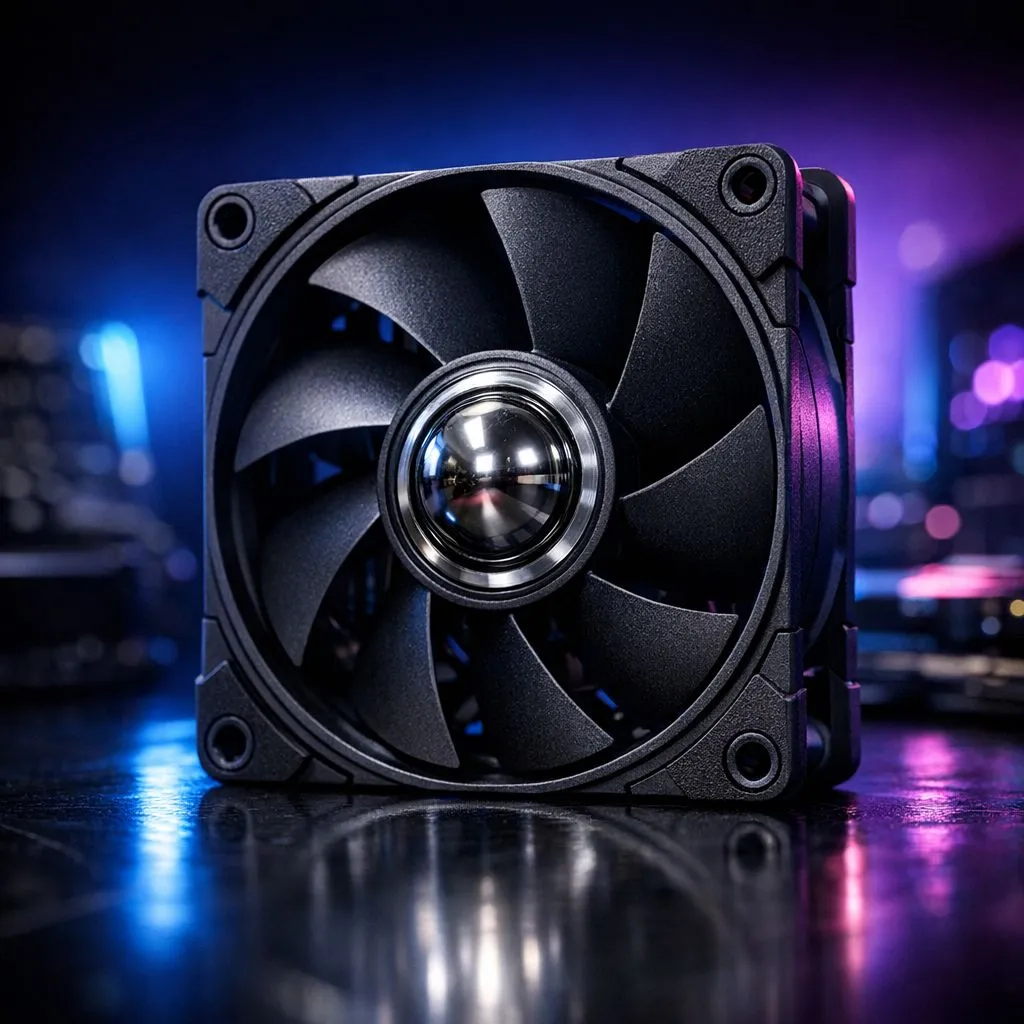
Magnetic levitation (MagLev) technology changes the rules. Instead of resting on a surface, the fan rotor floats on a magnetic field. There is no physical contact during operation. This lack of friction means the fan can spin at higher speeds with less noise.
Brands like CORSAIR’s magnetic levitation series have pioneered this tech for gamers. Because there is no mechanical wear, these fans often last two or three times longer than standard units. You might pay an extra R150 per fan... but you won't be replacing them in eighteen months.
Cooling Pro Tip ⚡
When setting up your airflow, ensure your magnetic fans are placed as intakes at the front or bottom of your chassis. This leverages their high static pressure to pull fresh air through dust filters more effectively than standard sleeve bearing models.
Longevity in the South African Climate
Dust and heat are the enemies of PC hardware in South Africa. Standard bearings struggle when ambient temperatures rise. The oil in sleeve bearings thins out. This causes premature failure. Magnetic fans are largely immune to these environmental factors.
You can find this tech in Deepcool’s premium cooling solutions which are designed for high-endurance builds. Whether you prefer vibrant RGB case fans to show off your build or stealthy fans with no lighting for a professional look, the bearing tech remains the core priority.
Choosing the Right Size for Your Chassis
Size matters for both noise and airflow. Most modern South African mid-tower cases require standard 120mm fans for the rear exhaust. However, enthusiasts often opt for larger 140mm fans for the front intake.
Larger fans move more air at lower RPMs. When combined with magnetic bearings, they become nearly silent. This is perfect for late-night gaming sessions when you don't want your PC sounding like a jet engine. Investing in quality airflow today protects your expensive GPU and CPU for the long haul.
Ready to Silence Your Rig?
Choosing the right bearing type can save you money and frustration over time. For the best cooling performance and longevity in South African conditions, magnetic levitation is the gold standard. Explore our massive range of case fans and find the perfect match for your build.