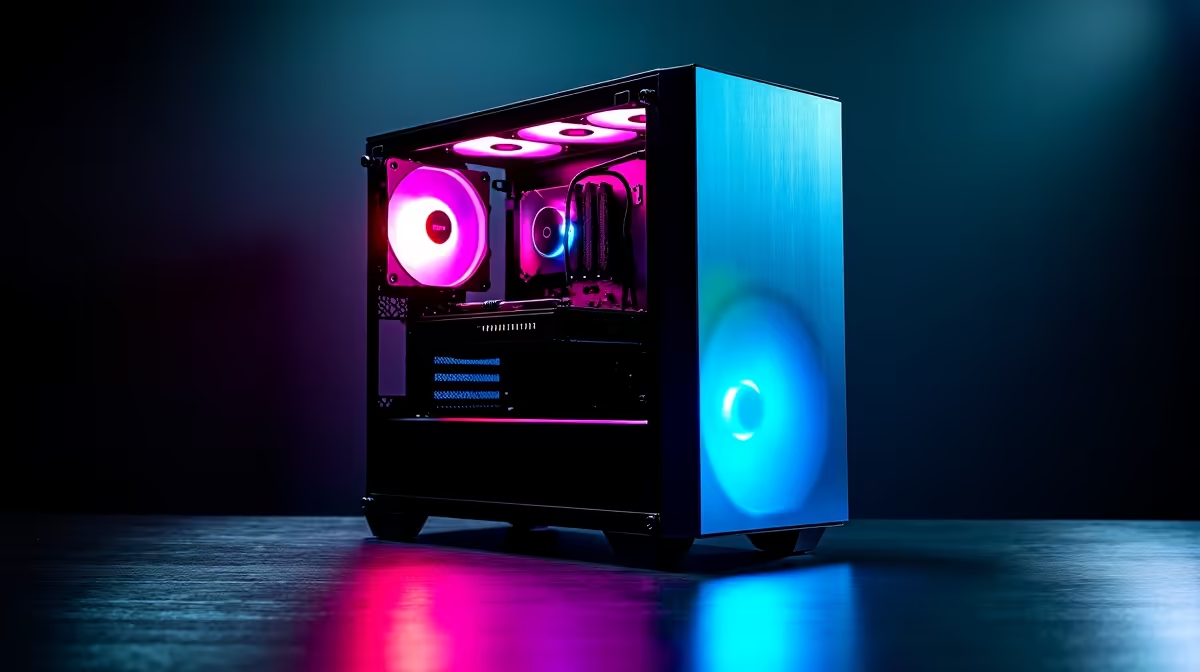
You need enough video-editing PC performance to play, edit and export representative footage within the real deadline without exhausting memory or storage. More graphics power is not always the answer. Codec support, processor, graphics memory, system memory, scratch space, cooling and display workflow should be sized together.
Benchmark one normal timeline
Import the camera formats normally used, apply typical corrections and effects, then play and export the project. Record graphics-memory use, system memory, storage activity, temperature and waiting time. Check whether proxy media solves occasional heavy footage before replacing hardware and include backup capacity in the full plan.
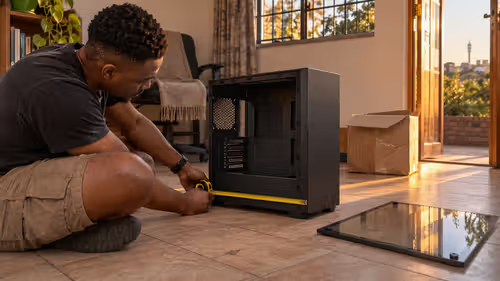
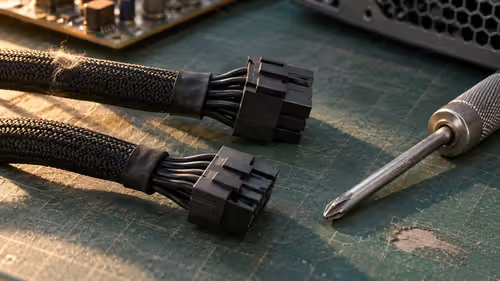
The Palit GeForce RTX 5060 8GB graphics card is factpack-verified at R4,800. The AMD Ryzen 5 9600X processor appears at R3,500. TEAMGROUP VULCAN 32GB DDR5-6000 memory is listed at R1,460. The WD Blue SN5000 1TB NVMe SSD appears at R998. Verify editor and codec support, motherboard compatibility, power, cooling and case clearance before combining parts.
Keep original media, project databases and exports in approved recoverable storage. Buy the configuration that completes current work comfortably and leaves a clear memory or storage upgrade path. If the editor handles normal projects already, invest in backup, monitor workflow or audio where daily quality may improve. Unused headline performance does not shorten a project that is waiting on organisation or client approval.
Sizing an editing workstation? > Ask Evetech to match verified CPU, GPU, memory and storage to the real footage.