Quick Answer
Standard metal cases are more durable and require less maintenance, but natural wood PC cases offer a distinct desk aesthetic that no metal finish can match. For SA users who prioritise unique design and are willing to apply seasonal conditioning, a wood-accent case is a practical choice. For maximum resilience in a dusty environment with minimal upkeep, metal wins.
Aesthetics: Where Wood Has No Equal 🌿
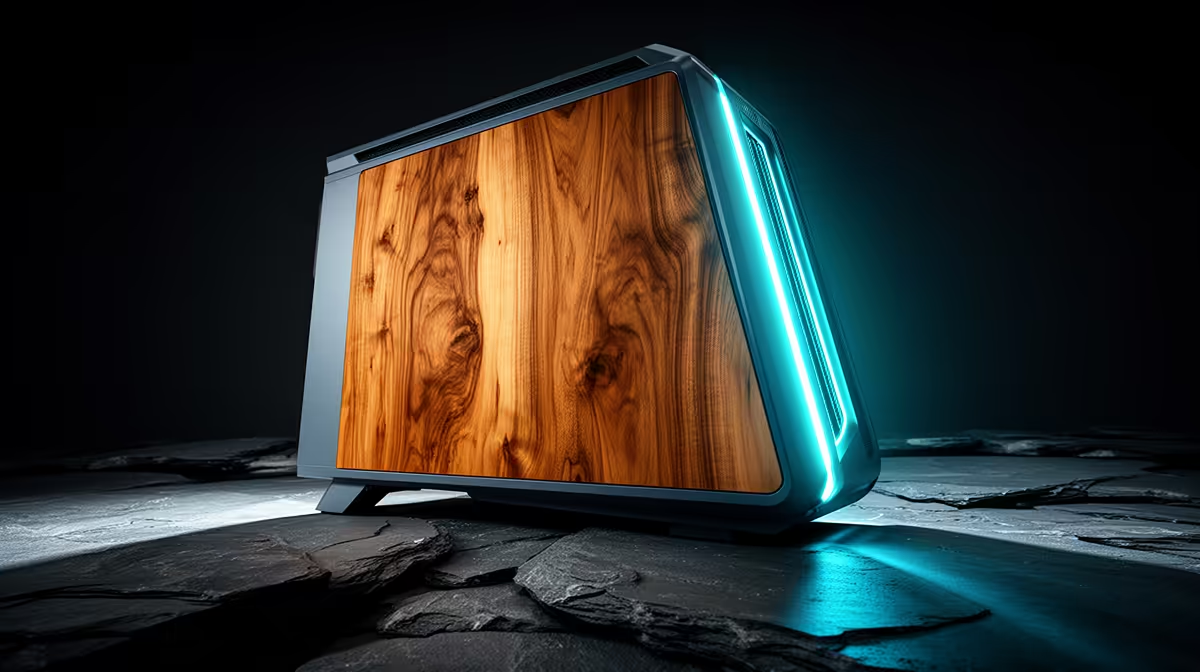
The appeal of a natural wood PC case is tactile and visual in a way that painted steel or brushed aluminium cannot replicate. Grain patterns are unique per panel, meaning no two wood-accent cases look identical. The warmth of walnut, bamboo, or oak paired with a dark metal chassis creates a desk centrepiece that bridges tech and furniture design. This matters in SA home office setups where the PC desk is often in a living space rather than a dedicated gaming room. Wood-accent cases blend naturally into timber desk surfaces and shelving in a way that a standard black steel tower never will. The premium for this aesthetic is real: wood-accent cases typically run R2,000 to R5,000 more than comparable metal cases.
Durability: Metal in Most Conditions 🔩
Standard metal cases, built from 0.8mm to 1.0mm SGCC steel with a powder-coat finish, handle drops, scratches, and temperature swings without any special care. The finish does not absorb moisture, will not crack in dry inland air, and resists UV discolouration for many years. Wood panels, while bonded to metal backing in quality cases, are vulnerable to humidity swings common across different SA regions. In Johannesburg's dry winter air, an unconditioned wood panel can develop surface micro-cracks within one to two seasons. These problems are manageable with a biannual conditioning routine but require effort that metal never demands.
Weight, Build Process, and Practical Differences 🔧
Wood-accent cases are generally heavier than equivalent metal cases due to the dense wood panels. A full-tower with bamboo side panels may weigh 14 to 18 kg fully built, compared to 10 to 14 kg for a comparable all-steel build. Building inside a wood-accent case is identical to a metal case since the wood is only on exterior panels. Internally, the chassis is steel with standard standoffs, fan mounts, and radiator positions. There is no functional compromise to the build process itself.
Condition Before First Build ⚡
If you purchase a wood-accent case, apply a thin coat of natural Danish oil to the wood panels before installing your components. SA inland air is particularly dry and the factory finish on shipped cases may already be dry from transit. Conditioning first prevents initial surface cracking and sets up the wood for long-term stability.
FAQ
Are natural wood PC cases harder to clean than metal cases?
Yes, for the wood panels specifically. Metal panels can be wiped with IPA or damp cloths without concern. Wood panels require dry microfibre cloths and occasional conditioning oil. The metal interior and chassis clean identically to any other case.
Do wood panels affect thermals or noise levels?
Not meaningfully. Wood panels on PC cases are solid side panels without ventilation holes. Airflow is managed by the steel mesh or grill areas on the front and top, not through the solid wood side panels.
Is a wood-accent case a good long-term investment for a SA builder?
Yes, provided you manage the conditioning routine. A quality wood-accent case will remain visually striking for five to eight years with basic care. The aesthetic longevity of a unique wood finish typically outlasts the visual appeal of a standard black metal case after a few years of normal wear.
Want a PC build that looks as good as it performs?
Evetech stocks a range of premium PC cases including distinctive aesthetic designs to match any desk setup. Browse the full case selection and find a build that suits your space.