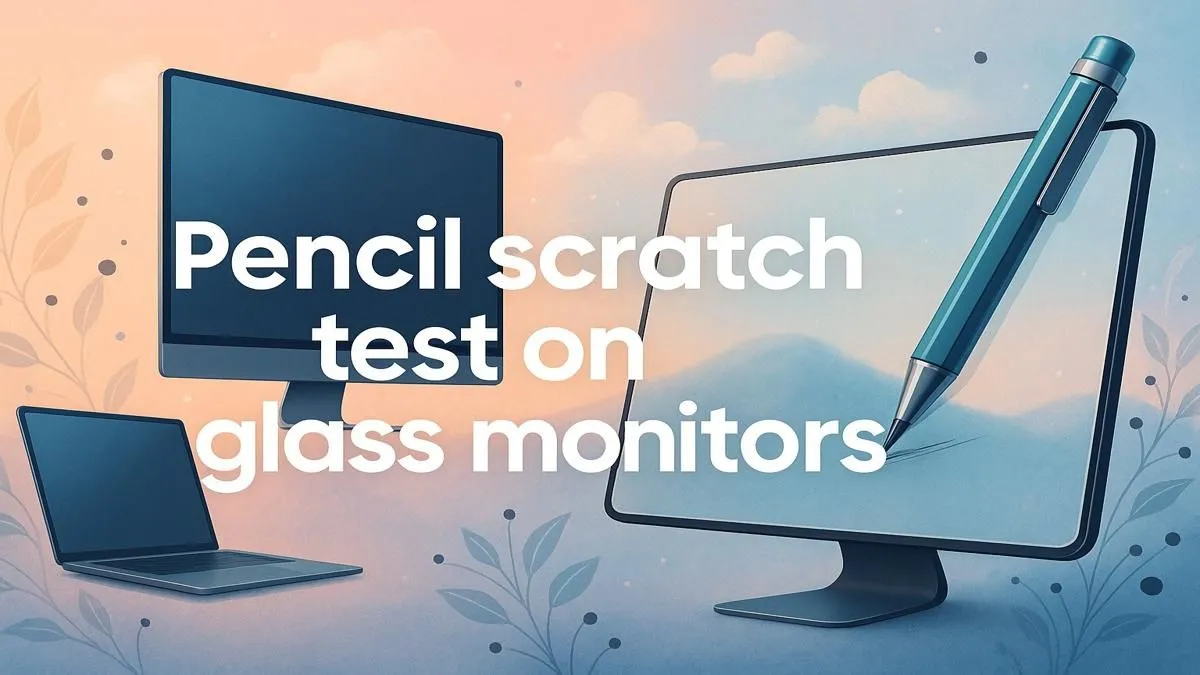
You’ve seen the videos online… a sharp pencil point dragged across a brand-new, glossy screen. It's the viral pencil scratch test on glass monitors, a clip meant to showcase incredible durability. But is it a genuine test of strength, or just a clever bit of marketing smoke and mirrors? Here in South Africa, where we value our tech, it’s worth asking: does this test actually prove your new display can handle the knocks of a proper gaming session?
Let's dig in. ✨
Understanding the Pencil Scratch Test
So, what’s really happening in those clips? The pencil scratch test on glass monitors isn't some random idea; it's based on an industry scale for coatings and films called the ASTM D3363 standard. This scale uses pencils of varying hardness—from a soft 6B to a rock-hard 9H—to determine how resistant a surface coating is to being scratched.
The key word there is coating. The test was designed for paints and finishes, not for the hardened glass used on modern displays. While it looks impressive, it tells you very little about how your monitor will stand up to real-world hazards.
The Science of Scratches: Mohs vs. Pencil Hardness
To understand screen durability, we need to talk about a different scale: the Mohs scale of hardness. This scale ranks minerals from 1 (Talc) to 10 (Diamond). A material can only be scratched by something harder than it on the scale.
Here’s the crucial part:
- Pencil 'lead' (graphite) is very soft, ranking around 1.5 on the Mohs scale.
- Modern monitor glass (like Corning Gorilla Glass) sits around 6-7 on the Mohs scale.
Simply put, the graphite in a pencil is physically incapable of scratching the glass on your monitor. What you often see in a failed pencil hardness test on a screen isn't a scratch at all… it's just a streak of graphite residue that can be wiped away. 🔬
Keep It Clean, Keep It Safe 🛡️
To clean your screen without causing micro-scratches, always use a soft, lint-free microfibre cloth. Lightly dampen the cloth with distilled water (never spray directly onto the screen!) and wipe gently. Avoid paper towels or harsh chemicals, as these can damage the screen's anti-glare coating.
What Actually Scratches a Monitor Screen?
If a pencil can't do the job, what can? The biggest culprits are everyday materials that are harder than glass. Think sand, which contains quartz (a 7 on the Mohs scale). A tiny grain of sand on your fingertip or cleaning cloth can easily cause a permanent scratch. Keys, zippers, and even certain types of dust can also pose a threat.
This is why build quality and screen technology matter far more than a gimmicky monitor scratch test. Investing in a display with a robust stand and a high-quality panel is your best defence. Whether you need the crystal-clear visuals of premium 4K and 5K monitors for creative work or the ruggedness of durable portable monitors for life on the go, the materials used are what count.
Choosing a Monitor That Lasts a Lifetime
Instead of falling for the pencil scratch test on glass monitors, focus on features that genuinely contribute to longevity and performance. Look for screens with anti-glare coatings, sturdy construction, and positive user reviews. A screen is a long-term investment, so protecting it with the right monitor accessories like screen protectors can add an extra layer of security against real-world dangers.
From the immersive sweep of modern curved monitors to the lightning-fast response times in our entire range of gaming monitors, the right choice comes down to trusted brands and solid engineering. Ultimately, a well-made panel will serve you better than one that just looks good in a viral video. At the end of the day, all gamers and professionals just want reliable, high-quality PC monitors that deliver an exceptional experience.
Upgrade Your View with Confidence
Don't get distracted by gimmicks. Invest in a monitor built with quality materials that deliver stunning visuals and lasting performance. Check out our latest monitor deals at Evetech and find the perfect screen for your setup today.