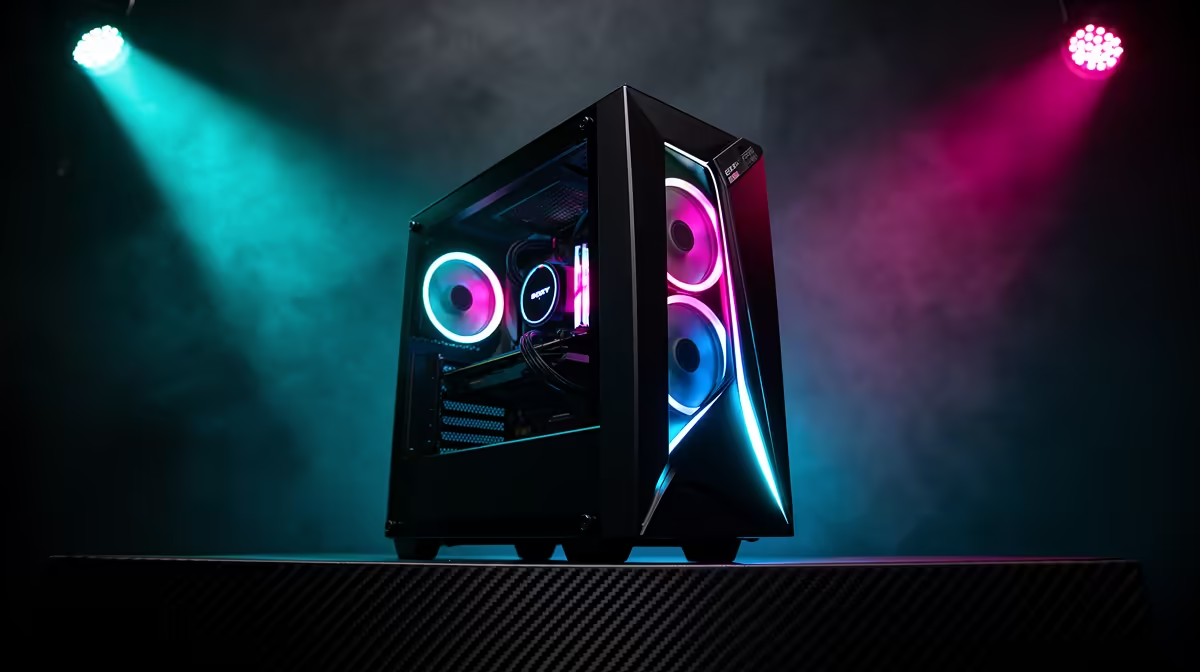
A R10,000 used gaming PC can be a workable first setup for 1080p esports and older games. It is a risky place to chase a once-expensive GPU. Unknown power supplies, tired storage and weak upgrade paths can consume the saving soon after purchase.
Quick Answer
Buy only after you receive the full parts list and test the machine under combined CPU and GPU load. Expect tuned 1080p settings, rather than a blanket promise for current AAA games. Keep part of the R10,000 ceiling aside for one urgent repair.
Set the used offer beside named desktop gaming deals and the PC best-seller shortlist. As a dated checkpoint, the AMD Ryzen 5 5500 ARC A380 6GB Gaming PC cost R11,969 as of July 2026. This supplies a real new-system reference without pretending every used machine competes with it.
Demand Exact Part Models
"Core i7" can describe processors separated by many years. Ask for the full CPU model, motherboard, memory sticks, GPU, SSD, PSU and case. Request clear photographs of labels and the inside.
Confirm whether Wi-Fi, Bluetooth, Windows and all pictured peripherals are included. A monitor in the listing photo may not be part of the price.
Match serial numbers to available proof of purchase. Missing or removed identifiers are a reason to leave.
Set a Realistic Game Target
Choose three games: a light esports title, your normal game and the hardest one you hope to play. Find benchmarks for the exact CPU and GPU pairing, then test the actual machine where possible.
At this budget, 1080p low or medium settings may be the sensible starting point in new AAA games. Older and competitive titles can run much faster. VRAM capacity, processor age and game optimisation change the result.
Use frame-time plots or one-percent lows beside the average. A machine that reports 70fps while freezing every few seconds is not delivering a good 70fps experience.
Test the Graphics Card Properly
Inspect the card for corrosion, damaged fans, oil marks, loose heatsinks and burnt connectors. Verify the GPU and memory capacity in software.
Run a demanding game or loop for at least thirty minutes. Watch temperature, clock speed, fan noise, power and visual artefacts. Driver resets, coloured blocks, sudden black screens or grinding fans end the deal.
Prior mining use does not determine current condition by itself. Present stability, cooling and physical care matter. A gaming card abused in a dusty hot case can be worse than a maintained mining card.
Treat an Unknown PSU as a Cost
The PSU protects every component. Get its exact model, rated wattage, age and connector condition. A large number on an unknown label is not reassurance.
Look for discolouration, damaged cables and adapters. Never open the PSU enclosure; capacitors can retain dangerous charge. If quality or history cannot be established, include a suitable replacement in the purchase total.
Check whether the case accepts a standard PSU. Proprietary office conversions can use unusual connectors and dimensions.
Storage and Memory Affect Daily Use
Read SSD health information and confirm the capacity. A small old drive may boot quickly but leave no space for games. Hard drives can remain useful for archives, though they should not hold the only copy of important files.
Run a memory test. Check capacity, module count and channel mode. Eight gigabytes can feel cramped with current games and background apps; 16GB is a more practical starting point.
Ask whether the motherboard has free slots and what memory generation it uses. An upgrade to obsolete modules can cost more than expected.
Inspect Cooling and Case Airflow
Dust packed into heatsinks raises temperatures and noise. Check that every fan spins without wobble, vents are open and the CPU cooler is mounted firmly.
Run CPU and GPU loads together. Shared case heat can reveal a shutdown that separate tests miss. Watch clocks after temperatures settle.
A sealed glass front with tiny side gaps can limit future GPUs. Case size, front intake and exhaust path belong in the upgrade calculation.
Find the Platform Dead Ends
Check the motherboard's CPU support list, firmware route, RAM capacity and available M.2 slots. An old platform can still play well, but replacing CPU, board and memory together is a rebuild.
Confirm GPU clearance and PSU connectors for any later card you can name. A vague plan to "upgrade everything" usually means the current R10,000 purchase has poor foundations.
Buy for today's tested performance. Treat future compatibility as a bonus supported by exact parts.
Price the Repair-Adjusted Total
Add a PSU replacement, extra memory, useful SSD and any missing cooler or licence. Keep a reserve for a fan or battery in wireless peripherals.
Compare this total with the R11,969 named new-system snapshot and other named July 2026 configurations. The new machine may be slower in one game yet bring clear condition and support. The used machine needs enough extra performance to earn its risk.
Do not spend the entire setup budget on the tower if you still need a safe monitor, keyboard and mouse. A first PC must be usable, not just benchmarkable.
Private-Sale Checks
Meet in a place where the system can be powered and tested. Avoid paying before inspection. Get the seller's identity, a written description, serials and every included item on a receipt.
Rights and warranty routes can differ between a private sale and a retail transaction. Verify any remaining manufacturer warranty with the responsible provider. Treat an unsupported verbal promise as absent.
After purchase, back up any required drivers, then perform a supported clean operating-system installation before using personal accounts.
Retest after the clean installation and fresh drivers. Compare the result with your inspection run so a software problem does not hide failing hardware. Keep temperatures, clock speeds and storage health in a simple note for future troubleshooting.
Move the PC home upright and support a heavy graphics card during transport. A long card can stress its slot when the case is carried over rough roads. Recheck power cables and seating before first boot.
FAQ
Can a R10,000 used PC play current AAA games?
Some can at tuned 1080p settings. The exact CPU, GPU, VRAM and condition determine the result.
Which part should I inspect first?
Start with the PSU and GPU, then storage health, memory stability and cooling under a combined load.
Is a new entry PC safer for a first buyer?
It offers clearer condition and support. Compare named performance and the used machine's repair-adjusted total.
Test every named part under heat, reserve money for one likely repair and compare the full used total with the R11,969 July 2026 new-system reference.