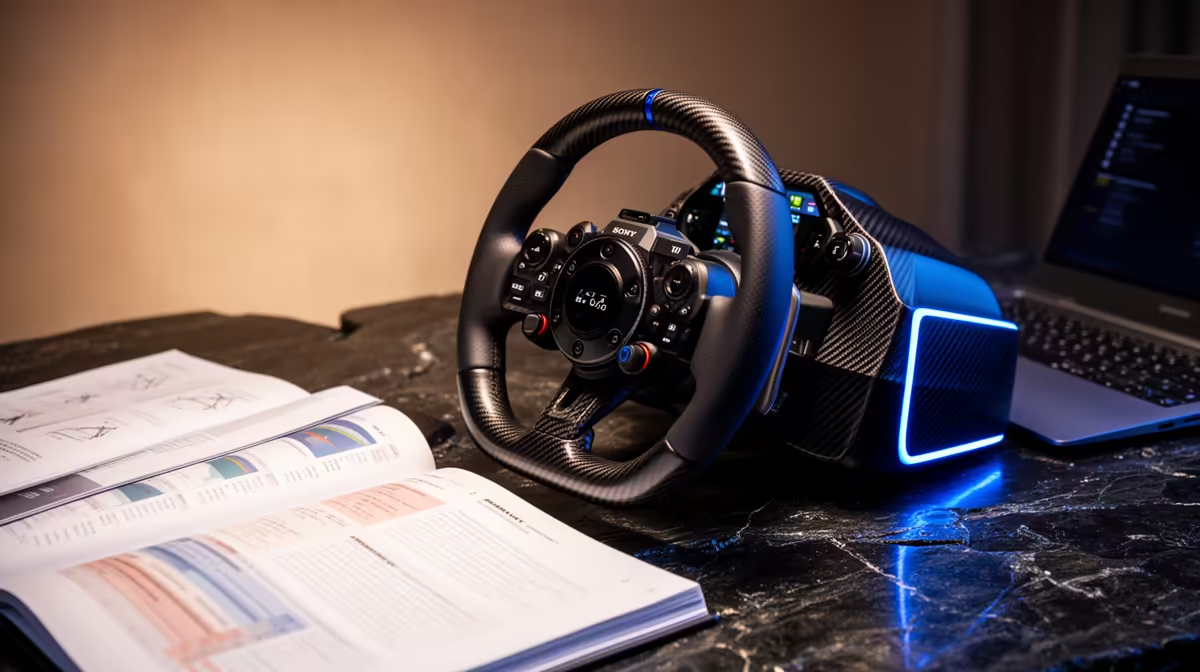
A racing wheel is the right choice for a postgraduate student who regularly plays driving simulators and has the time, desk space and secure mounting it requires. It has no academic benefit by itself. A gamepad is simpler for occasional racing, while a wheel can provide more precise steering and pedal control.
Match the hardware to the simulator
List the games, platform and supported force-feedback systems. Measure desk thickness, leg room and storage space for the wheel plus pedals. Check whether clamps interfere with the keyboard or monitor. Noise and vibration may matter in shared accommodation, especially during late sessions.
The supplied factpacks verify no racing-wheel model or price. Check current product pages for PC or console support, steering rotation, force feedback, pedal set, clamp dimensions, driver software, cable length, replacement parts and warranty. A wheel that physically connects may still lack a useful profile in the intended simulator.
Protect study time by setting clear play hours and keep research files backed up independently. Test secure mounting, calibration, dead zones, pedal stability and one complete race before the return period ends. Buy when the simulator library and usage justify the setup burden. If racing is occasional, retain a controller and invest first in the computer or study equipment used every day.
Adding simulation controls? > Check Evetech for current racing gear after confirming game support, mounting and storage.