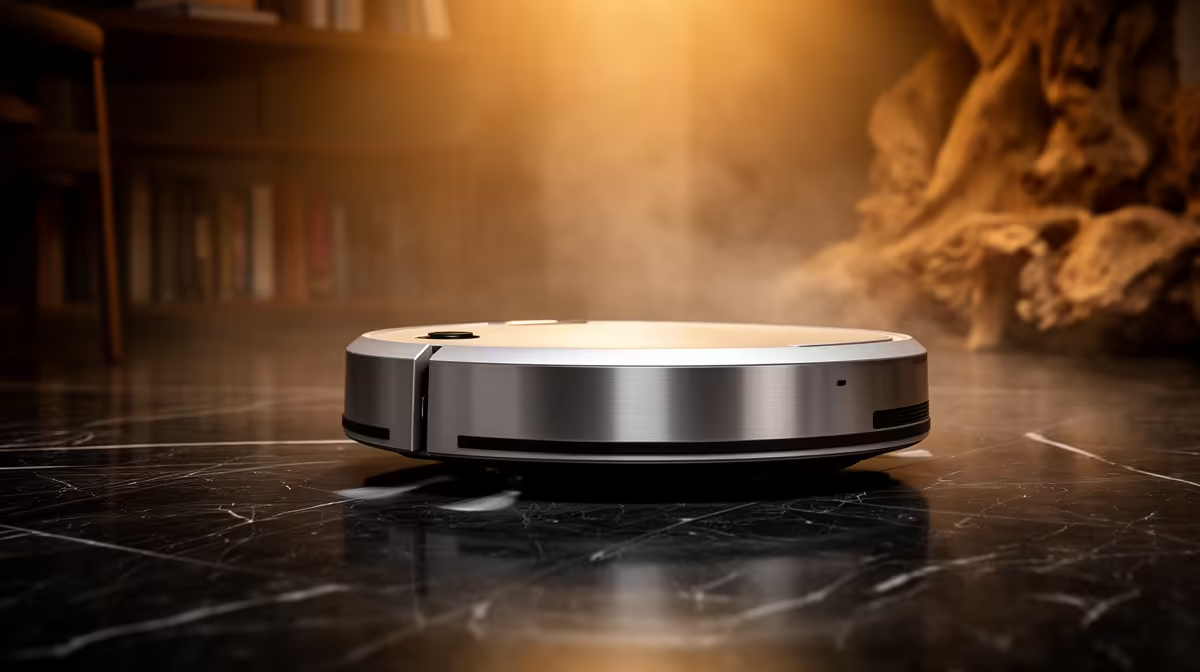
A robot vacuum can suit a postgraduate researcher when repetitive floor cleaning is stealing time from reading, fieldwork or writing. It is a convenience purchase, not research equipment, and the supplied factpacks do not verify any robot-vacuum model or price. Check current listings, local consumables and service support before treating one as a dependable household tool.
Match the machine to the floor plan
Walk through the rooms and note rugs, cables, chair bases, low furniture, stairs and thresholds. Basic models may bounce randomly, while mapping models can clean zones and avoid selected areas. Confirm whether the unit handles the dominant floor type, returns to its dock reliably and can find replacement brushes, filters and batteries in South Africa. Pet hair and fine dust can change the maintenance burden significantly.
Research spaces need special preparation. Lift laptop chargers, external-drive cables and loose papers before every run. Keep the vacuum away from sample materials, delicate equipment and rooms where recorded interviews or calls are under way. If the app requires a cloud account, review permissions, mapping controls and update support. A manual start button is useful when internet access is unavailable.
Estimate how often normal vacuuming is still required, because corners, stairs and spills remain. Test whether five minutes of daily tidying is enough to let the machine operate without rescue. Buy one only if the layout is compatible and replacement parts are easy to obtain. Otherwise, a simple scheduled cleaning routine may save more time with less device management.
Protecting research time? > Compare productive PC options with Evetech while verifying household automation through current specialist listings.