An unexpected outage hits, the inverter kicks in, and your Wi-Fi is the one thing keeping you sane. But while you’re streaming or gaming, is your digital front door wide open? For many South Africans, home network security is an afterthought… until it’s too late. Let's fix that. Learning how to secure your home network in South Africa isn’t just for tech wizards; it’s an essential step to protect your data, devices, and peace of mind. 🛡️
Why Home Network Security is Non-Negotiable
Think about everything connected to your Wi-Fi right now. Your PC, your phone, maybe a smart TV, and even security cameras. An unsecured network is an open invitation for neighbours to leech your expensive data or, far worse, for cybercriminals to access your personal information. A weak setup can lead to identity theft, compromised bank details, or even having your devices hijacked. Taking a few simple steps to secure your connection is one of the smartest tech decisions you can make.
Your Router: The First Line of Defence
Your router is the gatekeeper of your entire home network. If its security is weak, everything else is vulnerable. The good news is that locking it down is straightforward.
Change Default Login Details
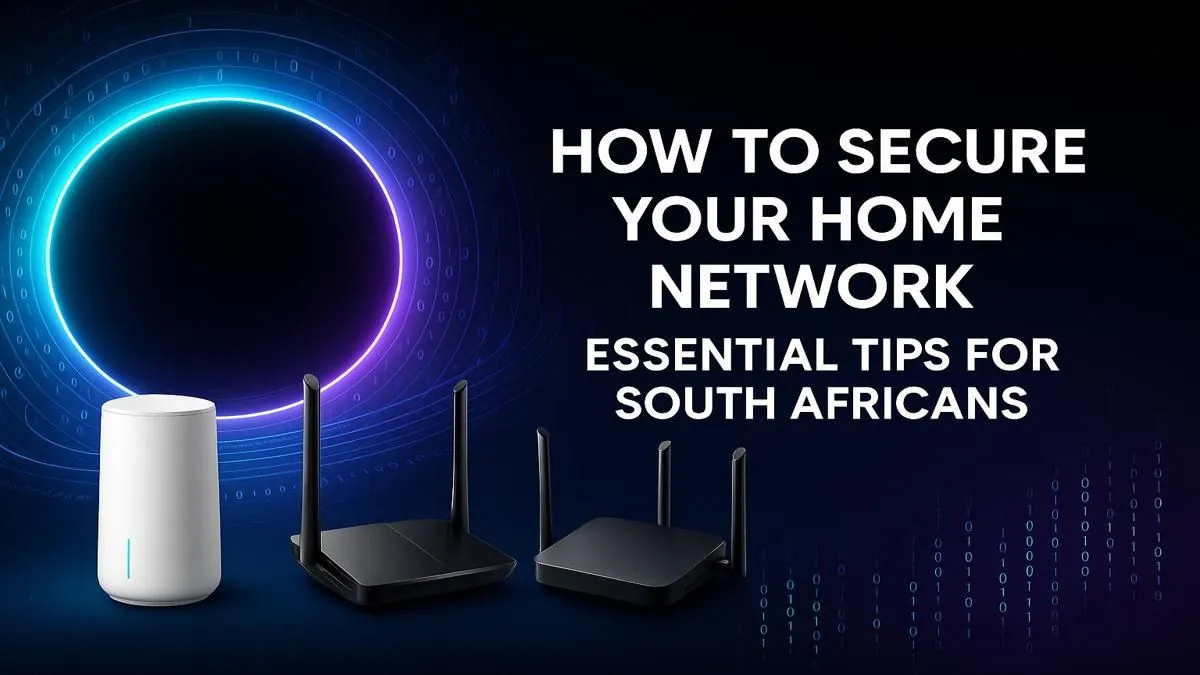
Every router comes with a default username and password (often "admin" for both). This is public knowledge! The very first thing you should do is log into your router's settings and change these credentials to something unique and strong. This single action stops the most common and basic attacks. If your router is getting old and lacks modern security features, it might be time for an upgrade. A powerful, modern unit is the cornerstone of a secure home network. Check out the latest high-security wireless routers to build a solid foundation.
Keep Your Firmware Updated
Router manufacturers regularly release firmware updates to patch security holes and improve performance. Think of it like a software update for your phone. Most modern routers can update automatically, but it's worth logging in every few months to check manually. An updated router is a much more secure router.
Pro Security Tip 🔒
Create a separate 'Guest Network' on your router for visitors. This simple step isolates their devices from your main network, preventing any potential malware on their phone or laptop from accessing your personal files, smart TV, or gaming PC. It's like having a digital welcome mat that keeps the rest of your house secure.
Essential Wi-Fi Security Settings
Diving into your router's settings can feel intimidating, but a few key tweaks can make a massive difference. These are the non-negotiables for securing your Wi-Fi network.
Use WPA3 Encryption
Encryption scrambles your data so no one can snoop on it. WPA3 is the latest and most secure standard. When setting up your Wi-Fi, always choose "WPA3-Personal" if it's available. If not, "WPA2-Personal" is the next best option. Avoid older standards like WEP or WPA, as they are easily cracked. If your PC's built-in Wi-Fi doesn't support these newer standards, a simple USB upgrade can solve the problem. High-quality wireless adapters are an affordable way to boost both speed and security.
Create a Strong Wi-Fi Password
Your Wi-Fi password is the key to your digital home. "Password123" just won't cut it. A strong password should be:
- At least 12 characters long.
- A mix of upper and lowercase letters, numbers, and symbols.
- Not personally identifiable (avoid pet names or birthdays).
A great technique is to use a passphrase, like LionsHeadHike@2024!, which is both memorable and incredibly difficult to guess.
Expanding Your Secure Zone 📡
In many South African homes, getting a strong Wi-Fi signal from the living room to the braai area is a real challenge. While extenders are great for boosting your signal, they can also create new security vulnerabilities if not set up correctly.
When adding an extender, ensure it supports the same high-level encryption (WPA3/WPA2) as your main router and that you protect it with a strong password. Choosing reputable wireless range extenders that receive regular security updates is crucial for maintaining a secure perimeter across your entire property. A weak link anywhere in the chain compromises the whole network. Taking the time to properly configure your gear is a core part of a smart home network security strategy.
Ultimately, a secure home network in South Africa gives you the freedom to work, play, and stream without worry. By combining a modern router with smart security practices, you create a digital fortress that keeps your data safe. It’s an investment that pays off every single day. ✨ For a full overview of your options, browse our complete wireless networking catalogue.
Ready to Build Your Digital Fortress?
A fast connection is great, but a secure one is essential. From powerful new routers to adapters that bring modern security to older PCs, having the right gear is the first step. Explore our complete range of wireless networking solutions and build a home network you can trust.