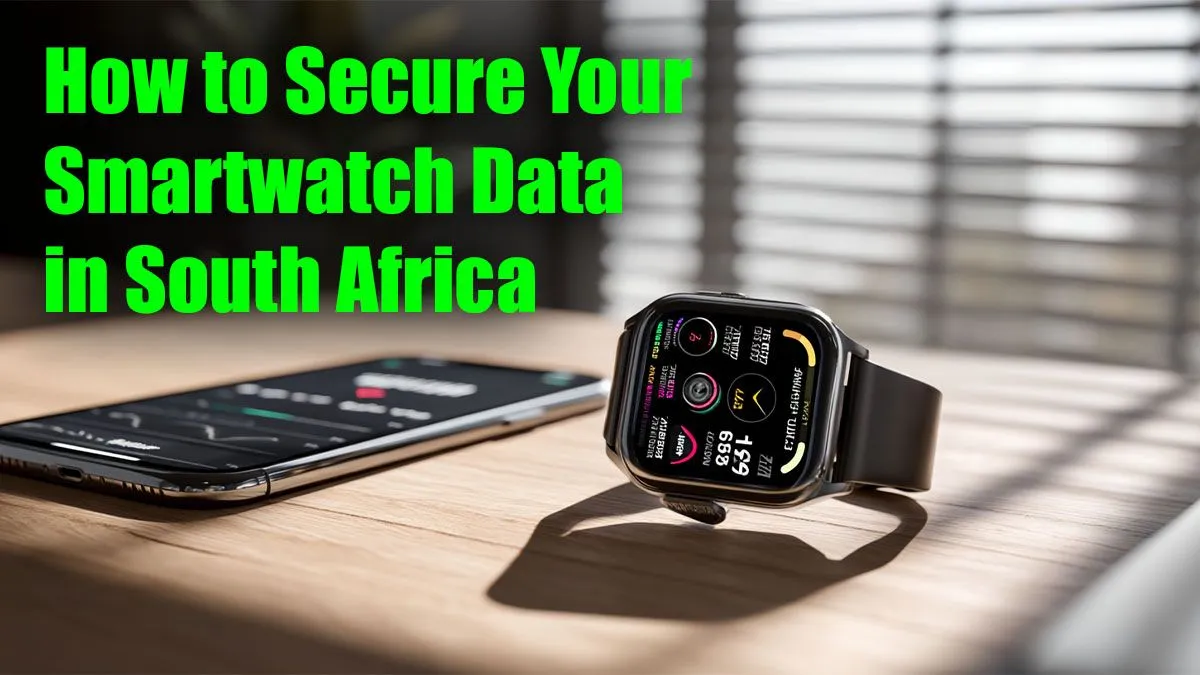
That smartwatch on your wrist is more than a fitness tracker or a convenient way to see messages... it's a vault of your personal information. From your morning run route in Durban to your tap-to-pay coffee order, it collects a surprising amount of data. For South Africans, keeping that information private is non-negotiable. This guide will show you exactly how to secure your smartwatch data, giving you peace of mind with every step you take.
Why Smartwatch Security is a Big Deal in SA
Your smartwatch is a treasure trove of sensitive information. We're talking about:
- Location History: GPS data that maps out your home, your office, and your favourite spots.
- Health Metrics: Heart rate, sleep patterns, and other biometric data.
- Personal Messages: Notifications from WhatsApp, SMS, and email.
- Payment Details: Linked credit or debit card info for contactless payments.
Losing this data can lead to more than just inconvenience; it can open the door to identity theft or financial fraud. Taking a few simple steps to lock down your device is one of the smartest tech decisions you can make.
Practical Steps to Secure Your Smartwatch Data 🔒
Protecting your wearable doesn't require a degree in cybersecurity. By following these straightforward tips, you can significantly boost your smartwatch data security and keep your personal information safe from prying eyes.
Use a Strong Passcode or PIN
This is your first and most important line of defence. Avoid simple codes like "1234" or "0000". A six-digit PIN is much stronger. If your watch supports it, use a pattern lock or biometric authentication (like a fingerprint scanner) for even better protection.
Manage Your App Permissions Carefully
Just like on your phone, smartwatch apps will ask for permission to access data like your location, contacts, and microphone. Be critical. Does that new watch face really need access to your contacts? Go into your watch's settings, review the permissions for each app, and revoke anything that seems unnecessary.
Keep Your Software Updated ⌚
Manufacturers regularly release software updates that include crucial security patches. These updates fix vulnerabilities that could be exploited by hackers. Don't ignore update notifications! Enabling automatic updates on both your watch and its companion smartphone app is the easiest way to stay protected.
Lost Device Lockdown ⚡
Activate the 'Find My Device' feature on your smartwatch as soon as you set it up. Most modern watches from leading brands allow you to remotely locate, lock, or even wipe your device if it gets lost or stolen. It’s your digital safety net, especially in a busy spot like the V&A Waterfront.
Be Cautious with Public Wi-Fi
Connecting your watch or phone to unsecured public Wi-Fi networks can expose your data. If you must connect, avoid accessing sensitive information like banking apps. It's always safer to use your phone's mobile data when managing your smartwatch settings in public.
Choosing a Smartwatch with Security in Mind
When you're ready to upgrade or buy your first wearable, think about security from the start. A well-supported device is your best defence. You can browse a wide selection of leading smart watches to see which features align with your security needs and lifestyle.
Some brands are known for offering a fantastic balance of features, style, and robust security protocols. For example, exploring the latest Promate smart watches can show you what's possible for a modern, connected device.
And let's be clear: securing your data doesn't have to break the bank. There are excellent, budget-friendly options that still provide the essential security features you need to stay protected. You can find some fantastic smart watches under R1000 that prove safety and affordability can go hand-in-hand. 👍
Ready to Wear Your Tech Securely?
Protecting your digital life starts with the right gear. Whether you need a high-performance fitness tracker or a stylish daily driver, we've got you covered. Explore our massive range of smart watches and find the perfect device to keep you connected and secure.