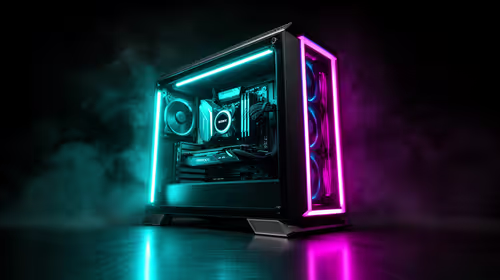
A set of case fans is worthwhile for a machine-learning workstation when sustained training or inference causes high temperatures, throttling or excessive noise. More fans do not automatically improve cooling. Direction, case openings, filters and control curves must create a coherent airflow path.
Profile one representative workload
Run the intended model or training batch while logging CPU and GPU temperatures, clocks and fan speed. Clean accessible filters and inspect current intake and exhaust positions. Identify available fan sizes, motherboard headers and cable routes before selecting a matched set.
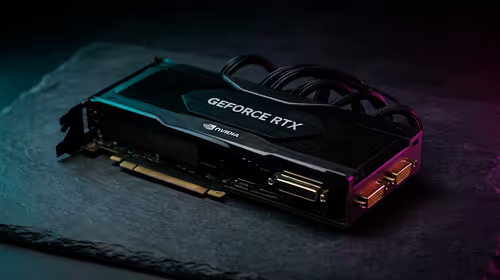
No case-fan set with a verified current price appears in the evidence. The Palit RTX 5070 Ti 16GB at R12,700 and PNY RTX 2000 Blackwell 16GB at R12,000 are confirmed GPU references, not complete machine-learning systems or fan recommendations. Check current fan dimensions, airflow direction, bearing, speed range, connector load, splitter support and warranty.
Disconnect power before internal work, keep cables away from blades and connect only within documented header limits. Add or reposition one airflow stage at a time, then repeat the same model. Tune curves for sustained stability rather than maximum idle airflow.
Buy a set after measurements expose a cooling shortfall and the case has useful positions. Model support, VRAM, system memory and data storage remain separate performance considerations.
Cooling a machine-learning PC? > Compare Evetech systems and GPUs after logging sustained temperatures.