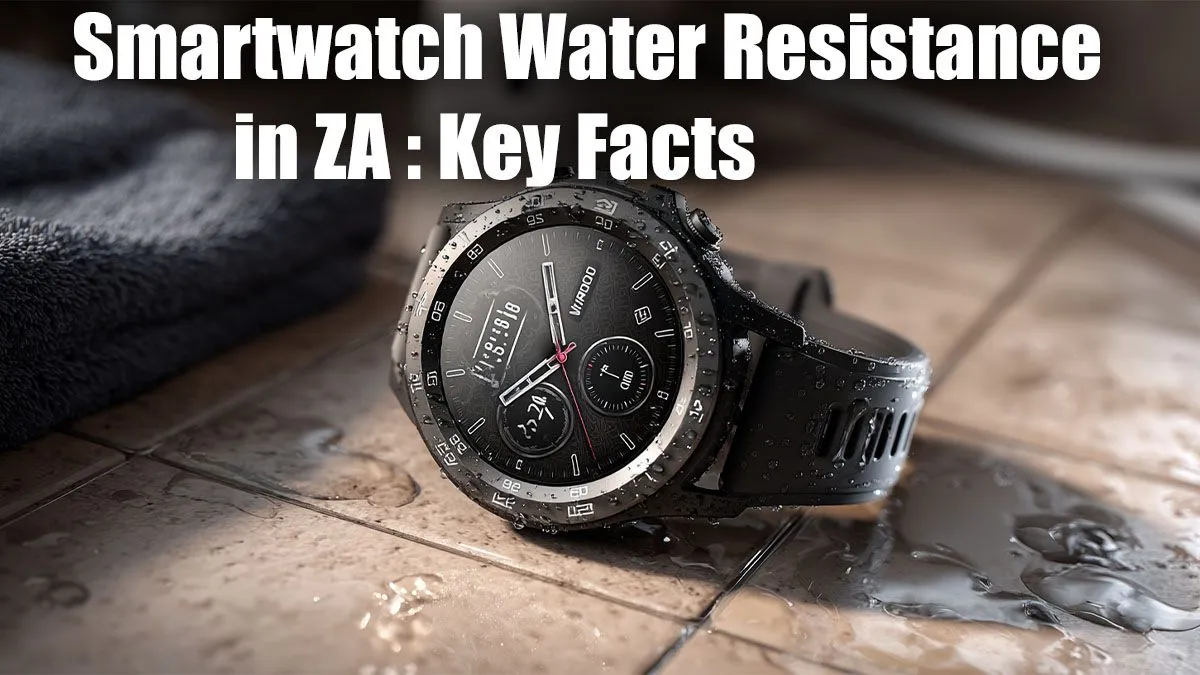
So, you’ve just unboxed a shiny new smartwatch. You’re ready to track your runs along the Durban beachfront or your hikes up Table Mountain. But then, the classic Highveld storm rolls in. Can your new wrist-tech handle the downpour? Understanding smartwatch water resistance is crucial for any South African user. It’s the difference between a reliable fitness partner and a very expensive paperweight. Let's dive into what those confusing ratings actually mean.
Demystifying Smartwatch Water Resistance Ratings
First things first: "water-resistant" and "waterproof" are not the same thing. In fact, no consumer tech is truly 100% waterproof forever. Instead, they have a degree of water resistance, which is measured using two main standards: the IP rating and the ATM rating. Getting to grips with this smartwatch water resistance guide will save you a lot of future heartache... and cash.
Understanding IP Ratings (The Dust & Splash Test)
You've likely seen "IP68" on a phone or watch's spec sheet. This is an Ingress Protection rating. The first number (6) relates to dust protection (6 is the highest, meaning it's dust-tight). The second number relates to water.
- IPx7: Can be submerged in up to 1 metre of fresh water for 30 minutes.
- IPx8: Can be submerged in more than 1 metre of fresh water (the exact depth and time is specified by the manufacturer).
An IP rating is great for everyday oopsies—like getting caught in the rain or dropping your watch in the sink. It ensures that even many affordable smartwatches under R1000 can handle a bit of a splash. However, it doesn't account for water pressure from activities like swimming.
Cracking the ATM Code (The Pressure Test) 🏊
For swimming, surfing, or any real water sports, you need to look at the ATM (atmospheres) rating. This measures how much static water pressure a device can withstand. One atmosphere is roughly the pressure at sea level.
- 3 ATM (30 Metres): Withstands splashes or brief immersion in water, like rain or washing hands. Do not swim with it.
- 5 ATM (50 Metres): Suitable for swimming in a pool or the ocean, and showering. This is the baseline you want for a proper swimming watch.
- 10 ATM (100 Metres): Ready for snorkelling and high-impact water sports.
It's important to know that this doesn't mean you can dive 50 metres deep with a 5 ATM watch. Dynamic pressure from moving your arm through the water adds stress that the static rating doesn't cover. Many respected tech brands often feature robust ATM ratings specifically for active users.
Protect Your Seals! 💧
The rubber seals that provide smartwatch water resistance can degrade over time, especially when exposed to saltwater, chlorine, soap, or sunscreen. Always give your watch a gentle rinse with fresh water after a swim and dry it thoroughly. This simple step can massively extend its lifespan.
What Your Rating Actually Means in SA
So, how does this apply to your life? Let’s put this smartwatch water resistance guide into a local context.
- Gym session in Joburg? Any IP-rated watch will handle sweat just fine. ✨
- Swimming laps at Virgin Active? You need a minimum of 5 ATM.
- Learning to surf in Muizenberg? Look for 5 ATM, but 10 ATM is a safer bet to handle the force of the waves.
- Just want something for daily wear? An IP67 or IP68 rating is more than enough for day-to-day life.
Choosing the right device comes down to being honest about your lifestyle. There's no point paying extra for a 10 ATM rating if you never go near the water, but skimping on it could be a costly mistake if you're an avid swimmer. Taking a moment to check the specs in our full range of smart watches can make all the difference.
Ready to Dive In?
A smartwatch is your ultimate companion, but only if it fits your lifestyle. Now that you know exactly what to look for, you can choose with confidence. Explore our massive range of smartwatches and find the perfect, durable partner for your next adventure.