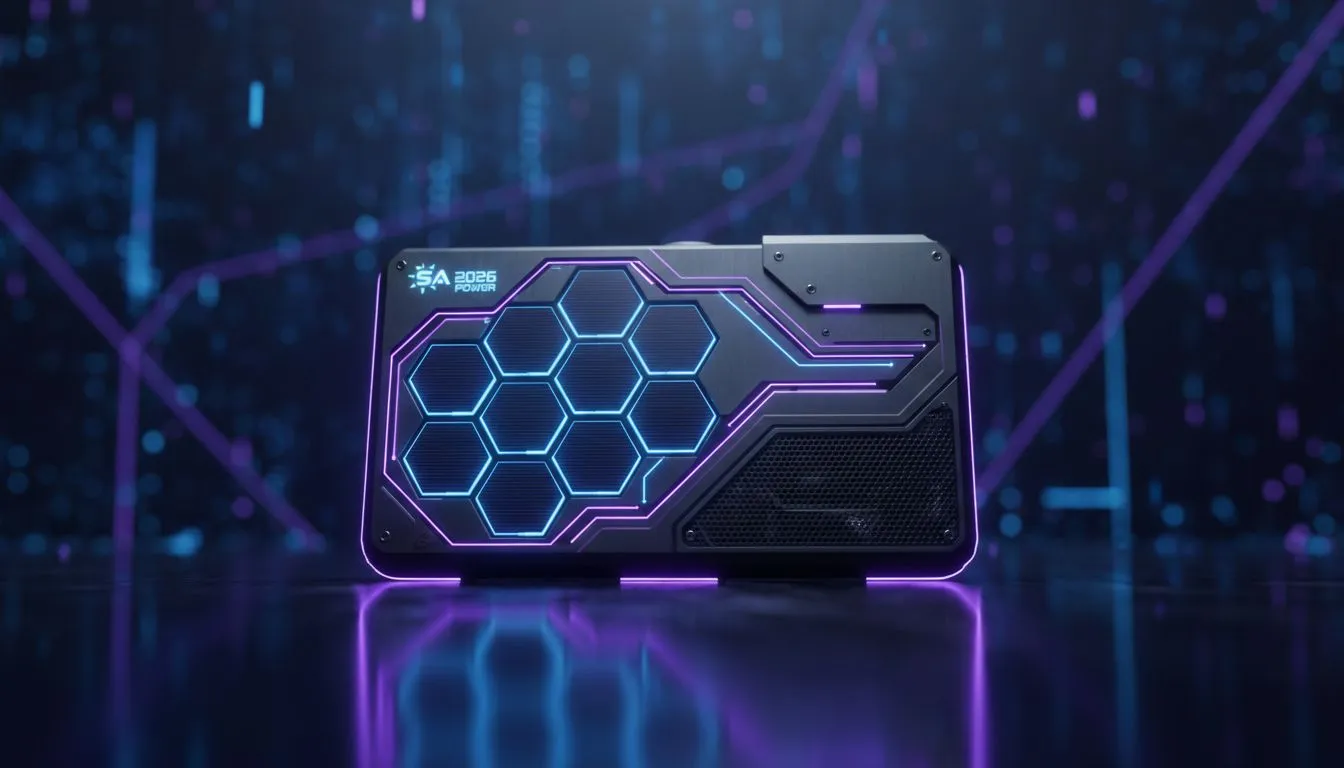
Eskom just announced Stage 6... again. Your ranked match is on the line, the final circle is closing in, and then... darkness. That familiar, frustrating silence. For South African gamers, this is a weekly tragedy. But what if you could make load shedding irrelevant? A dedicated solar power for gaming setup isn't just a dream for 2026; it's a practical solution you can plan for today, ensuring your rig stays lit when the grid goes dark. ⚡
Why Go Solar for Your Gaming Setup?
Beyond simply telling Eskom to "voetsek," using solar power for your gaming setup offers some serious advantages. This isn't just about surviving the next blackout; it's about creating a more resilient and efficient gaming environment.
Firstly, you gain complete independence from the grid's unreliable schedule. Imagine seamless, uninterrupted gaming marathons, streaming sessions, and content creation, regardless of the load shedding stage. Secondly, you're protecting thousands of Rands worth of sensitive hardware. A proper solar installation provides clean, stable electricity, shielding your GPU, CPU, and motherboard from the power surges and dips common with grid instability. Over time, this can significantly reduce your electricity bill, turning our abundant sunshine into tangible savings.
The Core Components of a Solar Gaming Rig
Building a solar power for gaming setup involves three key pieces of hardware working in harmony. Getting the balance right is crucial for a system that meets your needs without breaking the bank.
### Solar Panels: The Collectors
These are your power generators. The main thing to look at is their wattage (e.g., 450W, 550W). The number of panels you need depends on your PC's power consumption and the amount of direct sunlight your roof gets. More panels mean more power generated, especially on overcast days.
### Inverter: The Brains 🧠
The inverter is the heart of your system. It converts the DC power from your panels and batteries into the AC power your PC and peripherals use. For a gaming PC, you must use a Pure Sine Wave inverter. It produces clean electricity that's safe for sensitive electronics, unlike cheaper modified sine wave inverters which can damage your power supply unit (PSU) over time.
### Batteries: The Night Shift
Batteries store the excess power your panels generate during the day, so you can keep gaming long after the sun goes down. Lithium-ion (like LiFePO4) batteries are the modern standard, offering a long lifespan and deep discharge cycles. For gamers just starting to protect their rigs, a powerful Uninterruptible Power Supply (UPS) is an excellent first step. It's essentially a small-scale battery backup that gives you clean power and time to save and shut down safely during an outage.
Sizing Your System: A Gamer's Checklist
So, how much solar power for a gaming setup do you actually need? It's not a one-size-fits-all answer. Follow these steps to get a solid estimate.
### Step 1: Calculate Your Power Draw
Your PC's power supply unit (PSU) rating isn't how much it constantly uses. An 850W PSU might only draw 400-500W while gaming. You need to add up the consumption of everything in your setup: your PC, monitor(s), speakers, and router. Don't forget to account for your full desk setup, including any monitor accessories like lighting or extra screens that draw power.
Quick Power Audit Tip 💡
Before you buy anything, use a simple plug-in watt meter to measure your gaming setup's actual power consumption. Run your favourite game at max settings and see the real-time draw. You'll often find your 850W PSU only pulls half its rated power under load. This real-world data is gold for sizing your solar system accurately.
### Step 2: Factor in Your Playtime
How many hours do you need to run your setup during load shedding or at night? If you typically game for a 4-hour block in the evening, you'll need enough battery capacity to cover that period. For example: a 500W setup running for 4 hours requires 2000Wh, or a 2kWh battery, at a minimum.
### Step 3: Start Small or Go Big?
You don't have to power your whole house from day one. Many South Africans start with a dedicated solar solution for their home office or entertainment area. This makes powering your gaming PC with solar far more affordable initially. As you expand, you can integrate more of your home, adding smart home appliances to your now-stable power grid.
Optimising Your Solar-Powered Battlestation ✨
Once you have a plan for a solar setup for a PC, you can make it even more efficient. Opting for energy-efficient components, like an 80 Plus Gold or Platinum rated PSU, can reduce overall power consumption.
Ensuring your components run cool also helps with efficiency; check out modern graphics card accessories that can improve airflow and reduce thermal throttling, which in turn saves power. A truly uninterrupted setup means every part of your experience is seamless, right down to your streaming gear. Investing in reliable peripherals like high-quality webcams and other essential tech gadgets ensures your entire ecosystem is ready for action. This mindset of energy independence can even extend beyond the home, with the right car tech to keep your mobile devices charged on the move.
The future of gaming in South Africa is bright... and solar-powered.
Ready to Power Up Your Play?
Load shedding doesn't have to mean game over. The first step to building a resilient solar power for gaming setup is protecting your gear from the unstable grid. An Uninterruptible Power Supply (UPS) is the perfect starting point. Explore our wide range of UPS solutions and give your rig the stable power it deserves.