Ever edited a photo of a stunning sunset over the Drakensberg, only for the colours to look flat and washed out on Instagram? You’re not alone. The culprit is often a simple setting you might have overlooked: the colour space. For amateur photographers, the sRGB vs AdobeRGB debate can seem complex, but choosing the right one is crucial for making your pictures pop exactly as you intended. Let's clear up the confusion. 📸
Understanding the sRGB vs AdobeRGB Basics
Think of a colour space as a box of crayons. sRGB is like the standard 24-pack… it has all the essential colours you need and works perfectly for most drawings. AdobeRGB, on the other hand, is the massive 120-crayon artist's set with dozens of extra shades of green and blue.
- sRGB (standard Red Green Blue): This is the king of the internet. It was designed for monitors, web browsers, and phones. It's the universal standard, ensuring that the colours you see on your screen are what everyone else sees online.
- AdobeRGB: This space contains a wider range of colours (a larger "gamut"), especially in the cyan and green spectrums. It was developed by Adobe to capture more of the colours that professional CMYK printers can produce.
For most amateur photographers, the debate over sRGB or AdobeRGB has a clear winner for online sharing.
Which Colour Space is Best for Amateur Edits?
For 99% of amateur photo editing, sRGB is the way to go. Why? Simplicity and compatibility.
When you upload a photo to Facebook, Instagram, or send it via WhatsApp, it's almost always going to be displayed in sRGB. If you edit and save your image in the wider AdobeRGB space, the web browser or app won't know what to do with those extra colours. It tries its best to convert them, often resulting in a dull, desaturated look. All that effort you put into making the aloes in your garden look vibrant is lost.
The only time an amateur should consider AdobeRGB is if they plan to get serious about high-quality photo printing. Professional print labs can often utilise the wider colour gamut. Even then, it's a good practice to have an sRGB version for any digital use.
Pro Tip for Web Sharing
Even if you shoot and edit in AdobeRGB for printing, always export a final copy in sRGB before uploading to the web. In Photoshop, use the "Export > Save for Web (Legacy)" option and make sure "Convert to sRGB" is ticked. This ensures your colours stay true online.
Your Monitor: The Unsung Hero of Colour Accuracy
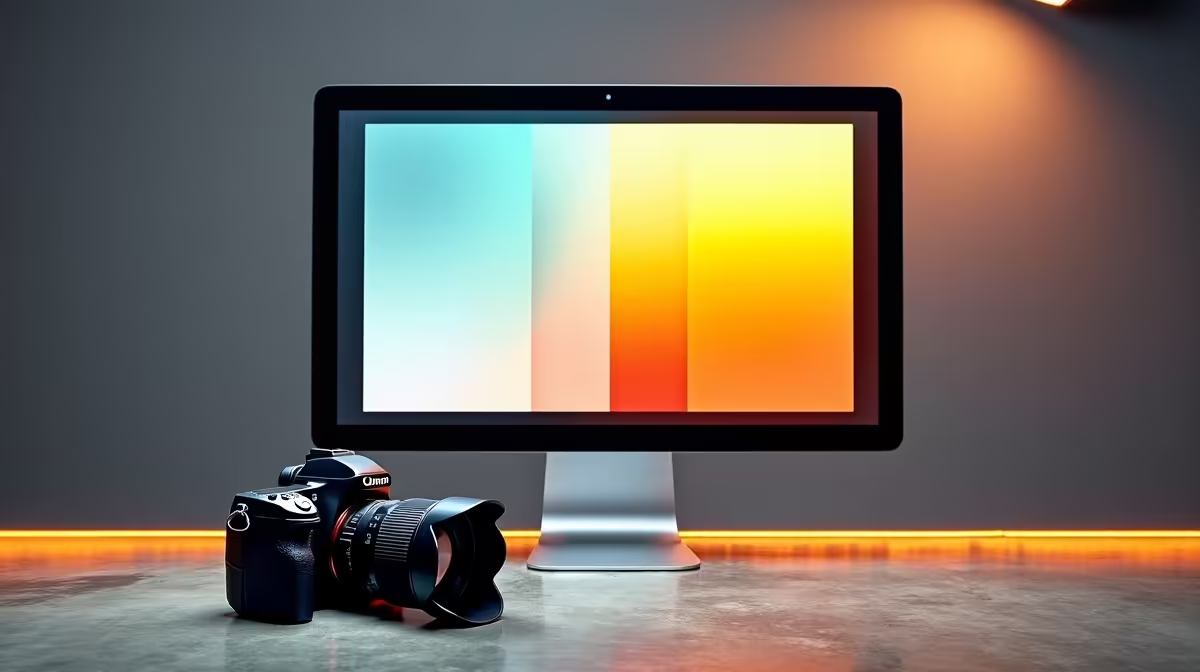
Here’s the catch… you can't see colours your monitor can't display. To truly benefit from AdobeRGB's wider gamut, you need a monitor that can display a high percentage of that colour space. Most standard screens, including many found on laptops or even some handy portable monitors, are designed to show close to 100% of the sRGB gamut, but far less of AdobeRGB.
Choosing the right PC monitor is arguably more important than the colour space you edit in. A good quality screen ensures that what you see is what you get. For photo editing, factors to consider are:
- Colour Gamut Coverage: Look for monitors that specify coverage like "99% sRGB" or "95% AdobeRGB".
- Resolution: Higher resolutions, like those on high-resolution 4K monitors, allow you to see incredible detail in your photos.
- Panel Type: IPS panels are generally preferred for their superior colour accuracy and viewing angles. You'll find them in everything from professional displays to today's top gaming monitors.
Even with a great monitor, factors like room lighting can affect perception. That's why pros use essential monitor accessories like calibrators and screen hoods to ensure perfect consistency. Some people even find that the deep blacks and vibrant colours on immersive curved monitors help their creative workflow. ✨
Ultimately, the sRGB vs AdobeRGB choice for amateurs is straightforward. Stick with sRGB for consistent, vibrant colours online. And when you're ready to level up your setup, invest in a quality monitor that brings your creative vision to life.
Ready to See True Colour?
A great monitor is the key to unlocking your photo editing potential. Check out our latest monitor specials and find the perfect screen for your budget and passion. Find the best PC monitor deals at Evetech and make your photos shine.