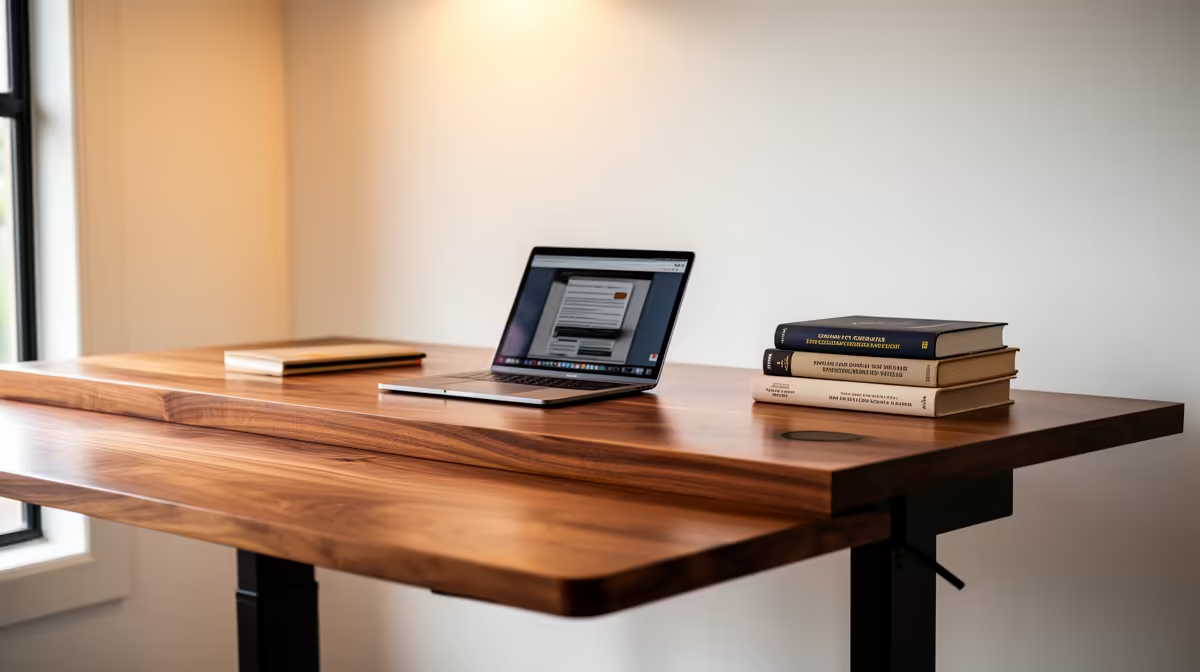
A standing desk can suit a law student who alternates reading, typing and online classes and cannot achieve comfortable heights with the current furniture. It is not essential for academic performance, and standing continuously is not healthier than varied movement and good fit.
Test reading and writing positions
Set the keyboard so shoulders stay relaxed and wrists neutral, then position the screen and case materials without bending the neck. Mark comfortable seated and standing heights. Check worktop depth, stability while typing, cable slack and whether heavy books can remain safely supported during movement.
No standing desk has verified pricing in the supplied product facts. Compare candidates on minimum and maximum height, worktop depth, load rating, frame stability, controls, collision behaviour, cable management, assembly, warranty and local support. Confirm fit with the existing chair and room.
Change posture regularly, take movement breaks and seek professional advice for persistent pain or numbness. Keep power cables clear of the lifting frame and confidential case materials out of camera view during online classes.
Buy when the temporary-height trial improves long reading and writing sessions. A monitor arm, book stand or correctly sized fixed desk may solve the problem more simply.
Place frequently used law books on a separate stable shelf so desk movement never shifts heavy loads.
Improving a law-study workspace? > Browse Evetech ergonomic gear while verifying standing desks separately.