Quick Answer
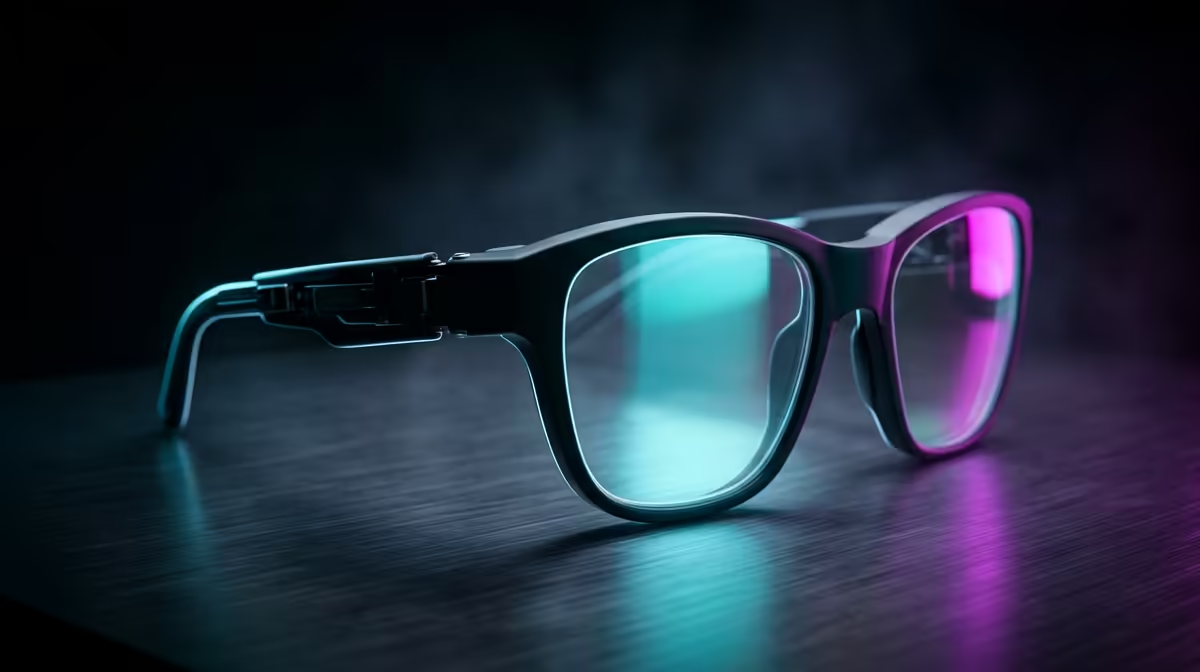
For casual after-work gaming, AR glasses act as a big private virtual screen; shortlist models with a sharp micro-OLED display, low latency, and comfortable all-evening fit. Capable AR display glasses start around R6,000 at Evetech.
The Buyer Short List For Casual Play
Most consumer AR glasses for gaming are wearable displays: they project a large virtual screen in front of you from a connected device, ideal for relaxed couch or bed gaming without a TV. For casual after-work use, shortlist on display quality first. A sharp micro-OLED panel with good brightness gives a crisp, immersive virtual screen, while low display latency keeps gameplay responsive.
Comfort is the second pillar. After a workday you want to relax, so lightweight frames, balanced weight on the nose and ears, and adjustable fit matter for an evening session. Heavy or pinching glasses kill the casual appeal fast.
Practical Checks Before Buying
Confirm the glasses connect to your device (handheld, console, or phone with the right adapter) and support the resolution and refresh you want. Check for built-in audio or a headphone option for private play, and a focus or dioptre adjustment if you wear prescription lenses. These practical details decide whether casual sessions feel effortless or fiddly.
FAQ
What do AR glasses do for gaming?
Consumer AR gaming glasses act as a large private virtual screen fed by a connected device, letting you game on a big image without a TV, ideal for couch or bed play.
What should I prioritise for casual gaming?
Display quality and comfort. A sharp micro-OLED panel with low latency and lightweight, well-balanced frames make relaxed evening sessions enjoyable.
Do AR glasses work with handhelds and consoles?
Many do via the right connection or adapter. Confirm compatibility with your specific device and the resolution and refresh it outputs before buying.
Prioritise a sharp display and all-evening comfort, and confirm the glasses connect cleanly to your gaming device before buying for casual play.