Quick Answer
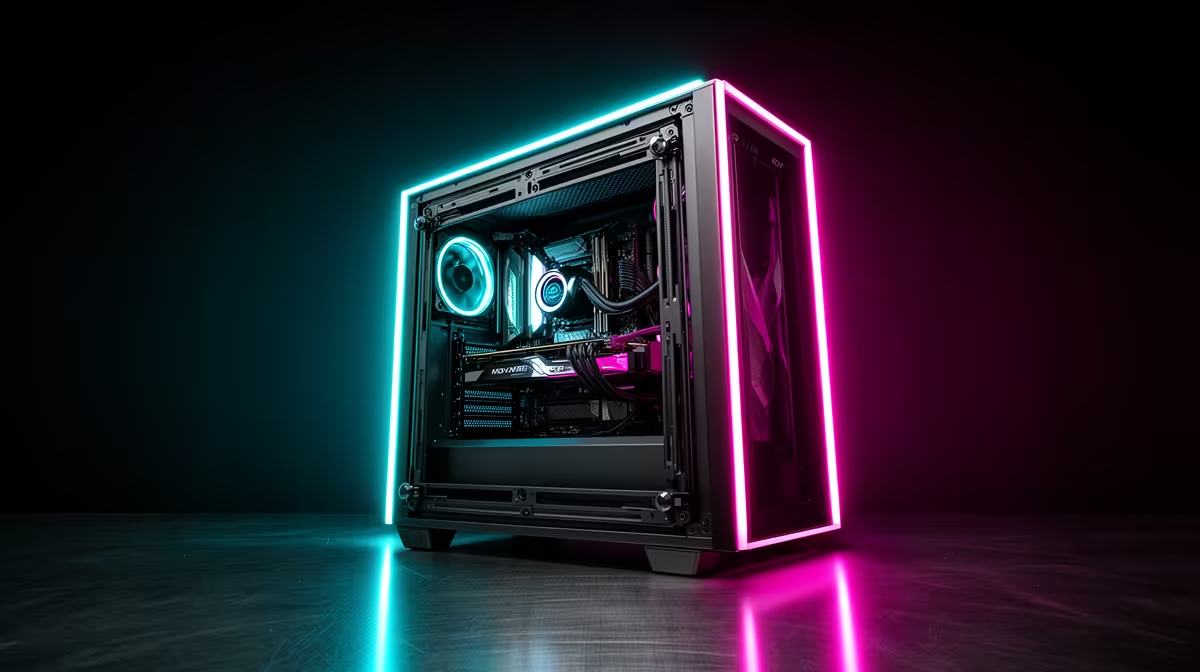
Tool-free side panels use thumbscrews, hinges, or magnetic latches to open without a screwdriver, making component swaps and cleaning faster and less frustrating. For regular maintenance, dust filter cleaning, or iterative hardware upgrades, this feature saves meaningful time and reduces the risk of stripped screws on panel edges.
How Tool-Free Side Panel Mechanisms Work 🔧
Three main mechanisms are used across the market. Thumbscrew panels replace Phillips screws with knurled knobs you turn by hand. Hinged panels with a rear latch swing open like a door after a button press. Magnetic or clip-lock panels simply lift away when you pull the rear edge. Of these, hinged designs with a positive latch offer the best mix of security and convenience: the panel cannot fall off during transport but opens in seconds during a maintenance session. Magnetic panels are fastest to remove but can vibrate loose during shipping. Thumbscrew designs are the cheapest to manufacture and most common at the R1,500 to R2,500 case price point.
Maintenance Tasks That Benefit Most From Tool-Free Access 🧹
Dust filter cleaning is the most frequent maintenance task for any gaming PC and is dramatically more practical without a screwdriver. Removing the side panel to blow out the GPU heatsink fins, CPU cooler stack, and case fan blades every six to eight weeks extends component life noticeably. For builders who upgrade components regularly, tool-free panels reduce the friction of swapping RAM, adding an NVMe drive, or reseating a GPU. In South Africa, where hardware carries import premiums and warranty claims sometimes require proof of careful handling, a clean maintenance record matters. Tool-free panels reduce the temptation to skip maintenance because it is too much effort.
Tempered Glass Panels Versus Acrylic Tool-Free Panels 🖥️
Tempered glass side panels are standard on cases above approximately R2,200 locally. Glass is more scratch-resistant, heavier, and more premium-looking than acrylic. The weight of glass panels means hinged designs are better suited, as the hinge absorbs the panel weight and prevents the glass from stressing the latch mechanism when open. Acrylic tool-free panels are lighter and cheaper but scratch easily and develop micro-cracks at retention points over time. If visibility is a priority, spend the extra amount for a glass-equipped case with a hinged tool-free opening system rather than a cheaper acrylic option with thumbscrews.
Use Compressed Air, Not a Brush, for Fan Blades ⚡
When cleaning fans through an open tool-free panel, use short bursts of compressed air from a can rather than a soft brush. Brushing can introduce static charge near the GPU or RAM, and bristles shed inside the case. Hold each fan blade still while blasting to prevent the motor from spinning and generating back-EMF.
FAQ
Do tool-free panels affect structural rigidity of the case?
Quality hinged and latch designs on mid-range and premium cases are as rigid as standard screw panels when closed. The latch mechanism engages firmly enough that the panel does not flex under normal use. Cheap magnetic panels on budget cases can feel less secure, but this is a build quality issue rather than an inherent limitation of the tool-free design.
Are tool-free panels available on full-tower E-ATX cases?
Yes, most premium full-tower cases at R4,500 and above include tool-free side panel access as a standard feature. Given the panel size on a full tower, hinged designs are especially appreciated because large glass panels are awkward to handle without a secure hinge.
Can tool-free panels leak light from an RGB build?
A well-fitted tool-free panel with a rubber gasket or foam seal along the edge will not leak more light than a screwed panel. Cheaper panels with larger gaps may allow slight light bleed, which is mostly a cosmetic concern.
Want easier access to your build?
Evetech stocks cases with tool-free tempered glass side panels across mid-tower and full-tower sizes, making maintenance and upgrades genuinely simple.