


Humidity Damage to PC Components: Recovery Guide
Humidity Damage to PC Components: Recovery Guide. Everything you need to know with SA pricing, step-by-step instructions & expert recommendations.
Read moreDiscover the pros and cons of Ultrabooks and traditional laptops. Learn which one offers the perfect balance of portability, performance, and price for your lifestyle. 💻✨
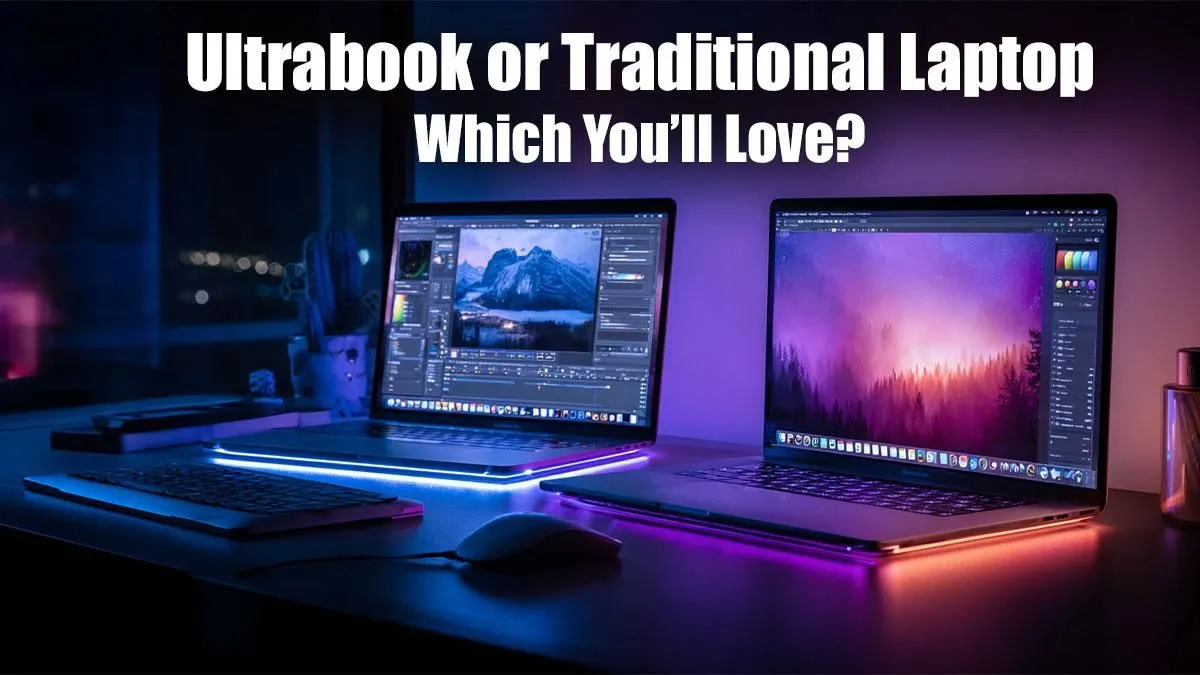
Stuck choosing your next machine? It’s a classic tech dilemma for South Africans. You need something sleek for lectures at UCT, but also enough grunt for a late-night gaming session after the load shedding ends. The choice between an ultrabook vs a traditional laptop isn't just about specs… it's about your lifestyle. Let's break down which portable powerhouse is the right fit for you, right here in SA. 💻
Originally a trademark by Intel, "ultrabook" has become the go-to term for laptops that are exceptionally thin, lightweight, and built for life on the move. Think of them as the sprinters of the laptop world. They prioritise portability and battery life above all else, making them perfect for students, travelling professionals, or anyone who works from a coffee shop more than a desk.
Their design philosophy is simple: maximum efficiency in the smallest possible package. This often means they use power-efficient processors, integrated graphics, and have fewer ports to keep the chassis slim. While you might not be running Cyberpunk 2077 at max settings, they are more than capable of handling everyday tasks, streaming, and even light creative work with absolute ease.
If ultrabooks are sprinters, traditional laptops are the all-rounders. These machines are built with performance and versatility as their primary goals. They typically feature larger screens, more powerful processors, and critically, dedicated graphics cards (dGPUs) from NVIDIA or AMD. This makes them the default choice for anyone serious about performance.
This focus on power requires more space for components and, most importantly, for cooling. ❄️ A beefier cooling system allows the CPU and GPU to run at higher speeds for longer without throttling. This is why the best powerful gaming laptops often come in a slightly thicker and heavier chassis. The trade-off in portability is a massive gain in raw power, making them ideal for gaming, video editing, 3D rendering, and complex software development.
So, how do they stack up when you put them side-by-side? The debate of ultrabook vs traditional laptop really comes down to a few key differences that cater to completely different users. Let's compare them. ⚖️
A traditional laptop almost always wins here. With higher-wattage CPUs and dedicated graphics cards, they can handle demanding software and AAA games effortlessly. Many top-tier Intel laptops on special deliver incredible single-core speeds perfect for gaming. Ultrabooks typically rely on integrated graphics, which are great for media consumption but struggle with intense 3D tasks.
This is the ultrabook's home turf. Often weighing under 1.5kg and boasting all-day battery life, they are designed to be thrown in a bag and forgotten about until you need them. A traditional performance laptop, while portable, will be heavier and usually requires you to carry its power brick for any extended session away from a plug point.
Check the CPU's TDP (Thermal Design Power) in watts (W). A 45W CPU in a traditional laptop will almost always outperform a 15W CPU in an ultrabook, even if their marketing names sound similar. More watts generally mean more sustained power!
Want to add more RAM or a second SSD down the line? A traditional laptop is your best bet. Their larger design often allows for easier user access to internal components. Ultrabooks, in their quest for thinness, often have soldered RAM and limited upgrade paths. They also tend to have fewer ports, sometimes relying on just a couple of USB-C/Thunderbolt ports for everything.
The price-to-performance ratio often favours traditional laptops. For the same price in ZAR, you can generally get a machine with a much more powerful graphics card and processor than an ultrabook. However, premium ultrabooks carry a higher price tag due to their sophisticated engineering, premium materials, and compact design, while the latest AMD laptops on special are offering fantastic value in the performance category.
Choosing between a traditional laptop vs an ultrabook is a personal decision based on your daily needs.
Ultimately, the best laptop is the one that seamlessly fits into your life without getting in the way.
Ready to Find Your Perfect Match? Whether you need a feather-light ultrabook or a performance-heavy beast, we've got the ideal machine for your needs and budget. Explore our deals and browse our full range of laptop specials to find the performance you deserve.
Yes, if portability and battery life matter most. Check specs aligning with your needs and budget.
Traditional laptops often provide more powerful components and upgrade flexibility. Explore high-end options.
Yes! They excel for light tasks and mobility. Look at 2023 models for updated features.
Some prioritize portability too, but typically bulkier. Compare weights matching your criteria.
Assess needed specs, use case, and budget. Our guide walks through key decision factors.
Both have quality options. Traditional laptops may offer larger screens and better expandability.
Ultrabooks often have superior battery life, ideal for on-the-go users. Confirm ratings before buying.
Humidity Damage to PC Components: Recovery Guide. Everything you need to know with SA pricing, step-by-step instructions & expert recommendations.
Read more
Gamer Spending Trends April : Complete Setups. Clear setup instructions with SA-specific considerations, troubleshooting tips & recommended components.
Read more
Setting Up DDR5 32GB Kit. Tested & verified settings for best FPS and visual quality on SA hardware budgets.
Read more
Tech Setup Guide for SPU Res Students. Clear setup instructions with SA-specific considerations, troubleshooting tips & recommended components.
Read more
Monster Hunter Wilds Ultrawide Support: 21:9 and. Clear setup instructions with SA-specific considerations, troubleshooting tips & recommended components.
Read more
Apple iPad Durability Guide: Cases, Screen. Practical breakdown of costs, regulations & whether it makes financial sense for SA buyers.
Read more
AMD RX 9050 XT: Rumoured Specs, Price & Release. SA-focused analysis with local pricing data, real-world insights & actionable buying advice.
Can RTX 4080 Super Run AI Workloads for SA Developers Detailed answer with SA data, expert analysis & practical recommendations for local buyers.
Can RTX 4090 Run AI Workloads for SA Developers Detailed answer with SA data, expert analysis & practical recommendations for local buyers.
Top Settings for Intel Arc B580 at Ultrawide 1440p picks evaluated on performance, value & SA availability with current Rand pricing from Evetech.

RTX 4060 CS2 Low Settings at 1080p: FPS Results. Real-world benchmark data, FPS numbers & performance analysis. What SA gamers can actually expect.

Visual Artifacts: Possible GPU Issue Issue #1. Diagnosis steps, proven fixes & when to seek professional help. SA-specific support info included.

Can the RTX 4090 Handle 1440p 144Hz Gaming. Performance testing verdict with real data & practical recommendations for SA buyers.

Top ASUS GPU Under R15000 picks evaluated on performance, value & SA availability with current Rand pricing from Evetech.

GTA 6 Max Settings on RTX 5070. Tested & verified settings for best FPS and visual quality on SA hardware budgets.
Cyberpunk 2077 Max Settings on RTX 5080. Tested & verified settings for best FPS and visual quality on SA hardware budgets.
Starfield Max Settings on RTX 5070 Ti. Tested & verified settings for best FPS and visual quality on SA hardware budgets.
Top RTX 5090 Under R5000 picks evaluated on performance, value & SA availability with current Rand pricing from Evetech.