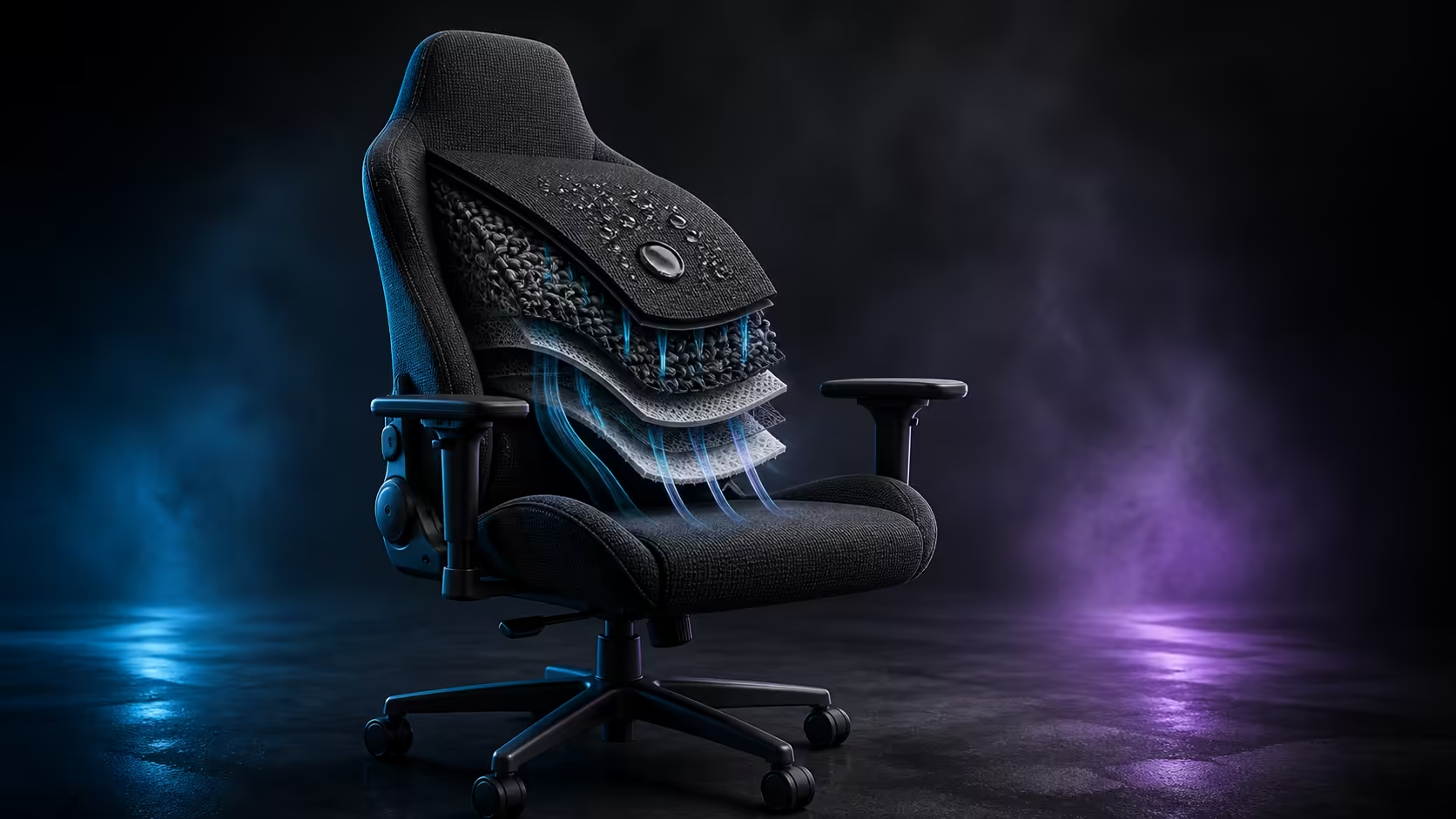
Fluid-repellent breathable chair fabric combines two useful but separate behaviours: air and moisture exchange during sitting, and extra response time when liquid reaches the surface. Neither behaviour removes the need for correct care, complete drying or regular inspection.
Quick Answer
Keep breathable fabric uncovered, vacuum it gently and blot fresh spills without rubbing. Fluid repellency slows immediate absorption but does not make seams or padding waterproof. Arozzi's black Torretta costs R4,299 and combines this Super Soft upholstery with variable seat height, three-direction arm pads and two support cushions.
🌬️ Understand breathability
Airflow depends on weave, cushion, room and clothing. Test the chair after a long session rather than judging by touch. Back, thigh and pillow zones can behave differently.
Avoid sealed covers that change the intended surface. Manage direct sun and equipment heat in the room.
💧 Understand repellency
Repellency provides a window to respond. Liquid left standing can reach stitching, cushion edges and mechanisms. It is not waterproofing or a stain guarantee.
Keep drinks stable and beyond elbow sweep. Prevention preserves the finish better than repeated cleaning.
🧹 Remove dry debris
Use a soft brush or suitable low-suction upholstery attachment. Work around seams without snagging or driving crumbs deeper. Remove pillows as intended to reach hidden contact areas.
🥤 Blot fresh liquid
Protect electronics, stop anyone sitting and place a clean absorbent cloth over the spill. Work from the perimeter towards the centre. Replace wet cloth sections rather than transferring liquid back.
Compare fabric-chair choices in the gaming chair category.
🧴 Choose compatible care
Read supplied instructions, test a hidden area and use the smallest suitable amount. Never mix cleaners or assume a leather product suits fabric. Stop when colour or texture changes.
🌬️ Dry every layer
Use normal airflow and avoid heaters or hairdryers. Check seams, pillow faces and the seat underneath. Sitting on damp fabric drives moisture inward.
🧪 Distinguish spill types
Water, sugary drinks and oils leave different residues. Start with dry blotting, then follow guidance appropriate to the substance. Stronger treatment is not automatically better.
🦴 Inspect pillow zones
Straps and hidden faces can retain moisture. Dry support cushions separately and restore their ergonomic positions only after all surfaces are ready.
⚙️ Protect adjustment mechanisms
Keep liquid away from the 3D armrests and height control. Do not operate a wet mechanism. Move the chair only after the floor and casters are dry.
📋 Keep a care record
Note the spill, affected region and compatible method. Inspect in daylight after drying. A simple record prevents repeated experimentation on a persistent mark.
📅 Maintain the fabric routinely
Vacuum contact areas, inspect seams and blot sweat after heavy sessions. Black fabric can conceal debris. Let the chair air between users.
💰 Include care in price comparison
Place the Torretta among gaming chairs above R4,000. Compare upkeep with comfort and fit. Use the Arozzi setup selection only after exact chair needs pass.
👕 Understand friction and wear
Fabric weave can grip clothing and develop high-contact zones at the seat edge, shoulders and pillow straps. Inspect these regions under side lighting. Surface flattening is different from a stain and should not be attacked with extra cleaner.
🏠 Control environmental exposure
Keep damp clothing off the backrest and reduce prolonged direct sunlight where practical. Let the chair air after a warm session. Pets and dust increase vacuuming needs around seams and cushion faces.
🧪 Approach old marks methodically
Identify dry residue, oil, moisture or physical wear before treatment. Remove loose material first. Begin with the least invasive compatible method and stop when the area changes unexpectedly.
🛡️ Prepare a spill station
Store clean colourfast cloths within quick reach, along with the exact care instructions. Keep products sealed elsewhere unless needed. Fast blotting matters more than a large collection of chemicals.
📄 Know when to stop
Persistent odour, spreading discolouration, unknown material or moisture inside a mechanism needs appropriate professional or product support. Repeated home treatment can enlarge damage.
👥 Reset after shared use
Inspect fabric and pillow faces between users, allow damp areas to dry and restore individual height and arm settings. Shared use should not conceal a spill until the next person sits.
📊 Track maintenance intervals
Record light vacuuming, spill response and deeper inspection dates. Adjust frequency to household use rather than waiting for black fabric to show dirt. A short routine protects breathability with less aggressive cleaning.
🔧 Check surrounding components
Fabric care is complete only when wheels, arm mechanisms and pillow straps are free of moisture and debris. Do not spray cleaner around controls.
🌡️ Handle sweat without oversaturating
After a warm session, blot visible moisture and allow the chair to air. Do not repeatedly wet the entire seat in response to sweat. Clean clothing and scheduled breaks reduce the load on the fabric.
🧩 Compare fabric and cushion roles
The upholstery manages surface contact, while padding distributes pressure. A breathable cover cannot prevent bottoming, and a supportive cushion does not guarantee good airflow. Test both across time.
🛠️ Inspect assembly contact points
Look where fabric meets the frame, around stitching and beneath pillow attachments. Do not disassemble beyond the supplied maintenance guidance. Loose or damaged structural components belong with the proper support route.
👥 Create a shared-use handoff
The outgoing user should report any spill immediately, leave damp areas uncovered and keep others from sitting. The next user restores their profile only after the chair passes a dry inspection.
📈 Review the routine quarterly
Assess whether vacuuming frequency, drink placement and spill supplies still suit household use. Adjust prevention rather than escalating cleaner strength.
🧪 Run a controlled cleaning trial
When a compatible method is needed, test it on a hidden spot and allow that area to dry fully before treating a visible panel. Compare colour, texture and smell in daylight. Stop if any change appears.
Use a fresh cloth and the smallest useful amount. A successful hidden test reduces risk but does not justify saturating the main surface.
👕 Protect fabric from clothing transfer
New dark or strongly dyed garments can transfer colour through friction and moisture. Check clothing care and watch high-contact zones during early use. Do not assume every discolouration began with a drink.
📝 Separate wear, soil and damage
Loose debris can be vacuumed, a compatible surface mark may respond to care, and physical wear requires a different decision. Classify the condition before acting. Scrubbing a worn patch cannot restore the weave and may make it worse.
🌬️ Verify dryness by touch and time
An area can feel dry on top while remaining damp beneath a pillow or near stitching. Give it adequate airflow and inspect again before use. Avoid trapping the chair against a wall during drying.
Frequently Asked Questions
Is fluid-repellent fabric waterproof?
No. Seams and inner layers remain vulnerable.
Why blot instead of scrub?
Scrubbing spreads liquid, drives it deeper and can distort the weave.
Can direct heat dry the chair?
Avoid strong direct heat and use ordinary room airflow.
Should every spill use the same cleaner?
No. Care depends on the substance and exact fabric guidance.
Why inspect under pillows?
Hidden moisture can remain after the main panel looks dry.
Is a flattened patch always a stain?
No. Inspect texture and wear before adding cleaner.
What belongs in a spill station?
Keep clean absorbent cloths and the chair's care instructions within quick reach.
Does breathable upholstery prevent cushion bottoming?
No. Surface airflow and pressure distribution are separate chair behaviours.
Can clothing dye create a mark?
Yes. Friction and moisture can transfer colour from some garments to upholstery.
Ready to protect breathable fabric without defeating its airflow?
Build a dry-care routine, prepare a fast blotting response and compare long-term ownership beside fit and comfort.