A used PC can be brilliant value, or it can turn one Saturday meetup into months of chasing a stranger. The safest used PC buying checklist for SA marketplaces starts before you leave home. Verify the seller and machine, then test the hardware before any payment moves.
Quick Answer
Meet at a safe public place with cameras and power, confirm the seller's identity against their listing history, and run the PC under load before paying. Record the serial numbers and sale details. As of July 2026, R11,969 bought an Evetech gaming PC pairing Ryzen 5 5500 with ARC A380 6GB, so the used system needs a meaningful saving after you account for age and missing retailer support.
📱 Before the meetup: verify the person and the PC
Read the seller's profile from the oldest activity forward. A new account with one expensive listing needs more proof. Ask for a fresh photo of the PC showing a handwritten date and a detail you choose, such as the side panel removed.
Request a screenshot of the hardware list from the machine itself. The CPU, GPU, RAM and storage should match the advert. Ask for serial photos of the case, GPU and major parts where labels are accessible. Reverse-search polished listing images if they look copied from a product page.
Speak by phone. Ask why the machine is being sold and how long they owned it. You are listening for a consistent story. A rushed answer or refusal to show the PC running gives you a clean reason to cancel.
Choose the meeting place together. A known repair shop or workspace with staff, cameras and power is ideal. Tell someone where you are going and share the seller's details. Bring another person for an expensive deal.
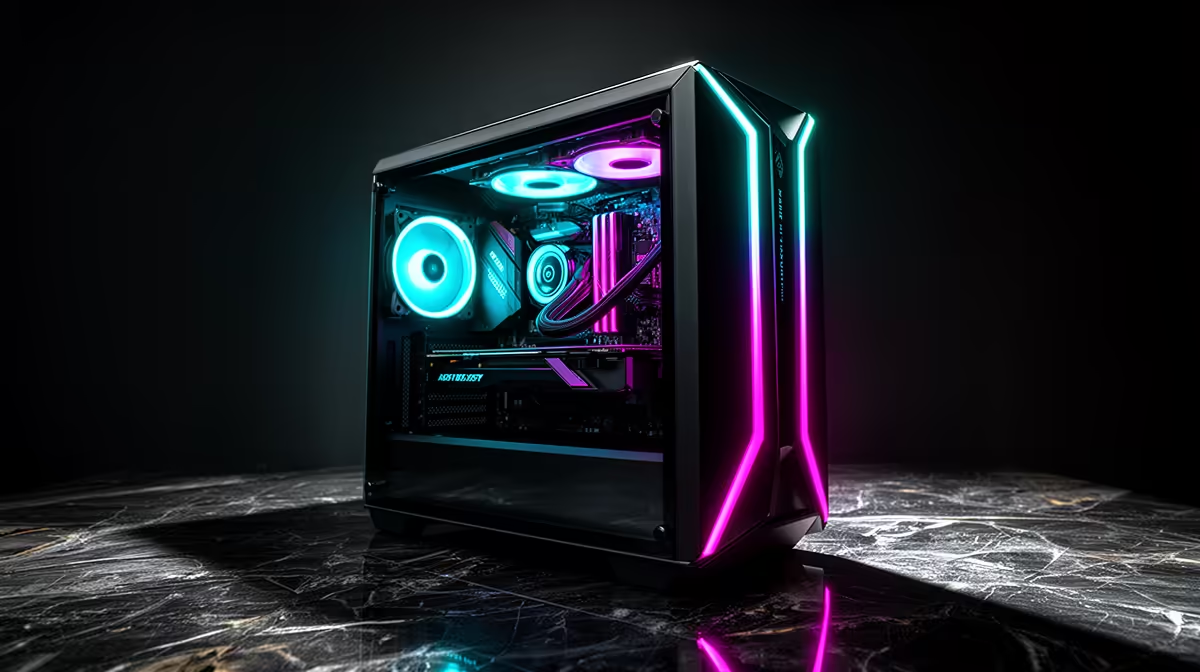
Compare the asking price with Evetech PC best sellers. The R11,969 ARC A380 system is a useful local baseline for an entry gaming machine with a clear invoice.
🧰 At the table: inspect before booting
Look at the PC in good light. Check the case for impact damage and the ports for bent metal. Open the side panel and smell for burnt electronics or heavy smoke residue.
Confirm the advertised components by reading their labels. A screenshot can be faked; the hardware in front of you settles the question. Check that the power supply is a recognisable model with enough connectors for the build. Loose adapters and improvised wiring need an explanation.
Inspect the graphics card for sag, noisy fans and tool marks. Check the motherboard area for corrosion or missing screws. Make sure storage drives listed in the advert are physically present or visible in the firmware.
Boot from cold. A machine already warmed up can hide a startup problem. Listen for repeated restarts and watch for warning lights. Enter the firmware screen and confirm the CPU, memory amount and storage list.
🧪 Under load: test the parts you are paying for
Open a hardware information tool and compare every major part with the advert. Check memory capacity and speed, GPU model, storage health and operating temperatures.
Run a short CPU load and a separate GPU benchmark. Ten to fifteen minutes each can expose cooling trouble and instability. Watch temperature trends and clock speed. A crash, artifact or sudden shutdown needs to be resolved before you buy.
Test front and rear USB ports, audio, networking and the display outputs you need. Connect to Wi-Fi if it is advertised. Plug in a known USB device. A dead front panel is cheap to overlook and irritating to repair later.
Open a game if one is available and listen under a mixed workload. Fans that sound acceptable at idle may grind at speed. Check that the storage drive remains present and responsive under use.
Avoid installing unknown software or entering personal accounts on the seller's system. Bring portable tools you trust. If the seller objects to a reasonable offline test, leave.
🤝 Close the deal with a paper trail
Agree on the final amount after testing. Write a simple sale record with both parties' names, ID or agreed identifying detail, date, amount, PC specification and visible serial numbers. Both of you should keep a copy.
The seller should show a reasonable ownership trail, such as original invoices or component receipts. Ask about any account, insurance or ownership claim attached to the machine. A private note cannot cure stolen goods, so walk away from a story that makes you uneasy.
Pay only after the test and paperwork are complete. The seller should confirm the money in their own banking app before handing over the PC. A screenshot sent by either party cannot prove that funds settled.
Move the PC upright where possible and support a heavy graphics card during transport. Take photos before loading it. Once home, reinstall the operating system from trusted media and change the firmware settings only after you have a stable baseline.
The Evetech best-seller range helps with the final value check. If the used machine lands near R11,969 with an older GPU, tired storage and no retailer support, the discount has disappeared.
Frequently Asked Questions
Where is the safest place to meet a private PC seller?
Use a staffed public venue with cameras, power and enough space to test. A repair shop that agrees to host the check is even better.
Should you pay before or after testing the PC?
After. Confirm the hardware, complete the load test and write the sale record first.
How do you verify a seller is genuine before meeting?
Check account age and listing history, speak by phone and request a fresh proof photo. Make sure the identity used at the meetup matches the person you contacted.
What paperwork should a private PC sale include?
Record both parties, date, amount, component list and serial numbers. Attach any original invoices the seller provides.
Is an electronic bank transfer safer than cash for private sales?
It creates a record, but both parties still need to confirm the transaction in their own bank account. A payment screenshot carries no value on its own.
Should you check whether the seller owns the PC outright?
Yes. Ask for invoices and a clear ownership history. Leave if the seller cannot explain where the machine came from.
What components are worth testing individually?
Test the CPU and GPU under separate loads, inspect storage health and confirm every RAM module. Then check ports, networking and audio.
Want a new-PC number beside the marketplace price?
Compare Evetech's gaming PC best sellers before the meetup and write down the closest specification. The used deal should pay you for every hour, part and support route you are taking on yourself.