Quick Answer
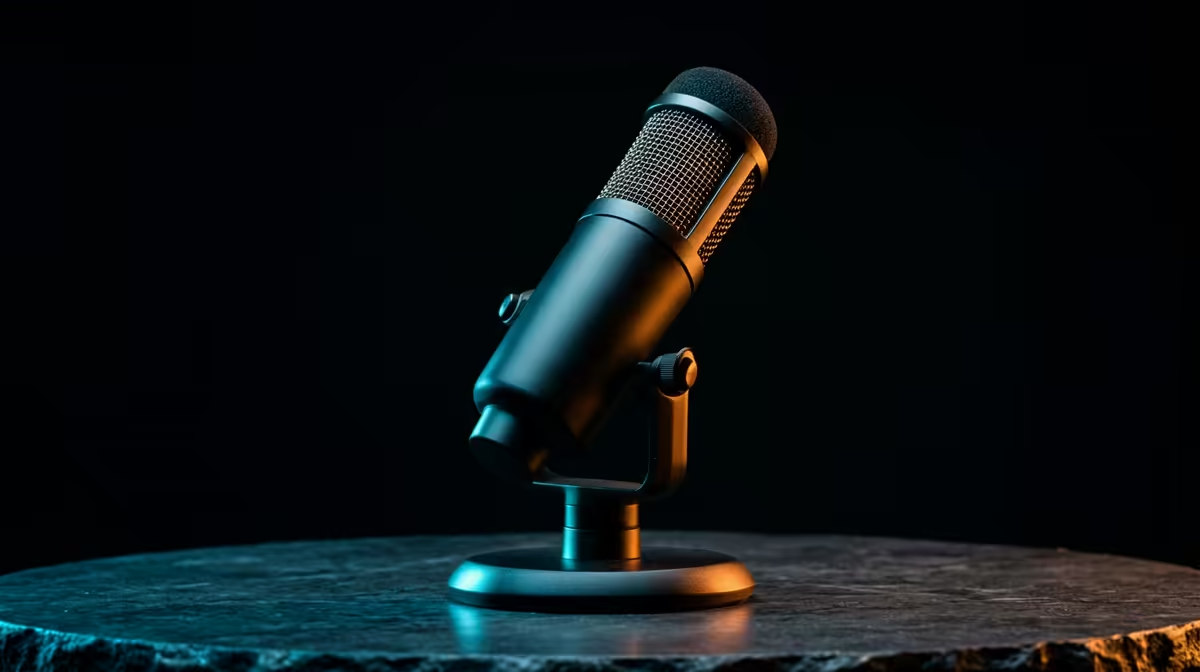
Krugersdorp streamers and content creators should order a studio microphone through Evetech, where USB cardioid condenser mics are currently stocked from around R800–R1,500 and mid-tier models with 24-bit/96 kHz capture and zero-latency headphone monitoring sit in the R1,800–R3,000 range. For streaming and commentary, a USB condenser at R1,500+ delivers broadcast-grade audio that a gaming headset mic cannot match.
USB Condenser vs Headset Mic: The Actual Difference
A gaming headset boom mic typically uses a basic electret capsule tuned for voice pickup at close range. A USB condenser microphone uses a larger capsule (14–25 mm), captures 20 Hz–20 kHz frequency range, and records at 24-bit/48 kHz or 96 kHz — the difference is audible to any viewer comparing the two. If you stream, create YouTube content, or podcast regularly, a dedicated studio mic is the single biggest audio upgrade available for under R2,000.
XLR vs USB for Krugersdorp Streamers
USB mics plug directly into any PC USB port with no additional hardware. XLR mics require an audio interface (R1,500–R3,000 for a quality unit) between the mic and the computer. For a first studio microphone setup, USB is the practical choice. XLR becomes worthwhile when running a two-person podcast, recording instruments alongside voice, or upgrading components independently over time.
Room Acoustics on a Budget
In a typical Krugersdorp facebrick or plaster-finish room, parallel walls create echo that condenser mics pick up clearly. Hanging a thick curtain behind the mic, placing books on shelving behind the recording position, and using a foam desk mat all reduce mid-frequency reflections. A basic foam mic isolation shield (R200–R400) is the most effective single acoustic treatment for a desk recording setup.
FAQ
What's the best USB studio microphone under R2,000?
For R1,500–R2,000 at Evetech, you can find USB cardioid condenser mics with 24-bit/48 kHz capture, built-in headphone monitoring, and a gain control knob. This spec is adequate for streaming, podcast recording, and commentary. Brands currently stocked at Evetech at this price tier provide broadcast-level clarity relative to headset mics.
Do I need a pop filter with my studio microphone?
Yes — a pop filter placed 5–8 cm in front of the mic capsule prevents plosive bursts (P and B sounds) from saturating the input. Pop filters at R100–R200 are cheap and make a measurable improvement in recording quality. Many USB condensers include a foam windscreen, but a standalone pop filter is more effective.
Does a studio microphone work directly in OBS for streaming?
Yes — USB studio microphones appear as audio input devices in Windows and are selectable directly in OBS or Streamlabs under Audio Sources. Set the sample rate in OBS audio settings to 48 kHz to match the mic's output and avoid sample rate conversion artefacts. No additional drivers are required for plug-and-play USB condenser mics.
noise gate filter to your microphone in OBS — set the threshold just above your ambient room noise level. This cuts background hiss and keyboard clatter from your stream when you're not actively speaking, making your audio sound cleaner without any hardware change.