Quick Answer
Tight but workable — a 550W supply is the minimum for the RTX 5080. The card draws about 360W (TGP), and with a typical 120-180W CPU the full system pulls roughly 480-560W under load, leaving the 550W unit with limited but usable headroom.
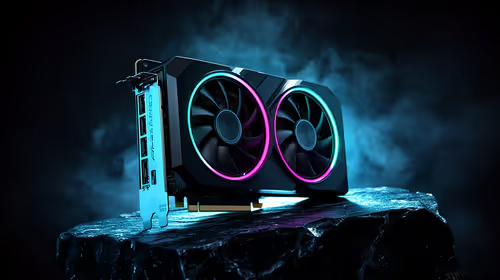
What the RTX 5080 actually draws
The RTX 5080 has a board power around 360W and brief transient spikes that can momentarily exceed it. Add a modern gaming CPU at 120-180W under load, plus fans, drives and RAM, and total system draw lands near 480-580W in demanding scenes. The general rule is to size the PSU so peak draw stays under about 80% of its rating, which leaves room for those spikes.
Is the 550W unit the right call?
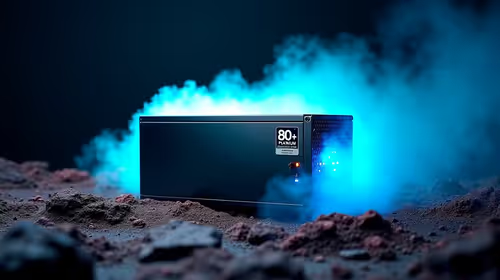
At 550W you are workable but close, so insist on a quality 80+ Gold unit with good transient response and a native 12V-2x6 connector, around R2,000-R3,500. Pair it with a mid-power CPU rather than the very top tier, and avoid heavy CPU-plus-GPU overclocking, which pushes transient peaks past comfortable limits on a 550W supply.
FAQ
Will a 550W PSU run the RTX 5080?
Tight. The card's roughly 360W board power plus a 120-180W CPU lands near 480-560W under load, so a 550W unit is the minimum for it. Keep peak draw under about 80% of the PSU rating for safe transient headroom.
What connector does the RTX 5080 use?
A 12V-2x6 (12VHPWR) connector. Use a PSU with a native 12V-2x6 cable where possible, seat it fully until it clicks, and avoid daisy-chained adapters to prevent connector heating.
What PSU quality should I look for?
An 80+ Gold or better unit with strong transient response from a reputable brand, roughly R1,800-R3,800 depending on wattage. Efficiency and protection circuitry matter as much as the raw watt number.
Pro Tip
Size the PSU so peak system draw stays under 80%% of its rating, choose an 80+ Gold unit with a native 12V-2x6 cable, and seat the connector fully until it clicks to avoid transient trips.