How to Optimize Your Laptop for Streaming Without Lag
Learn how to optimize your laptop for streaming games effortlessly. 🚀 Boost FPS, tweak OBS settings, and eliminate lag for a pro-level broadcast on Twitch or YouTube. Discover the essential software tweaks you need today! 🎮
|
Loading tags...
How to Optimize Your Laptop for Streaming Without Lag — quick hook 🔧🚀
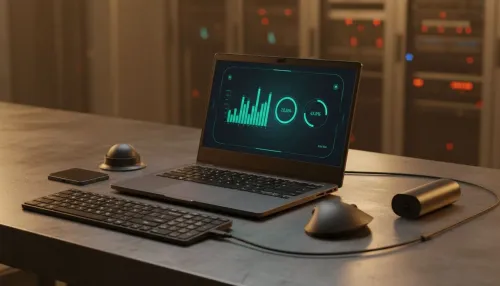
If your viewers see stutter, dropouts or frame judders, you lose watch time. This short guide shows How to Optimize Your Laptop for Streaming Without Lag, with practical steps you can apply tonight. Expect clear settings, network fixes and upgrade cues tailored for South African gamers and creators.
Optimise your laptop for streaming: assess hardware first
Before changing software, check the basics: CPU threads, a dedicated GPU with hardware encoding, 16GB RAM and an NVMe SSD make a huge difference (see workstation laptop options at Evetech) (https://www.evetech.co.za/workstation-laptops/l/621.aspx). GPU offload via NVENC or AMD VCN reduces CPU load and lowers dropped frames (NVIDIA NVENC docs: https://developer.nvidia.com/nvidia-video-codec-sdk). OBS Studio also recommends hardware encoders when available (https://obsproject.com).
Optimise software and encoder settings for no-lag streams ⚡
Use OBS Studio profiles and scene collections to keep CPU usage predictable (https://obsproject.com). Choose hardware encoding (NVENC or VCE/VCN) to keep game FPS high while streaming (NVIDIA docs). Match canvas and output resolution; 720p at 60fps needs less upload than 1080p60. If you monitor bitrate, test upload stability first (Twitch and other platforms publish bitrate guidance: https://help.twitch.tv/s/article/video-bitrate?language=en_US).
TIP FOR YOU
Streaming Pro Tip ⚡
Keep OBS and your GPU drivers updated. Set OBS process priority to Above Normal on Windows, enable GPU hardware encoding (NVENC), and close background apps like cloud sync or browsers with many tabs. Use the Windows 'High performance' power plan while streaming.
Optimise your network and peripherals
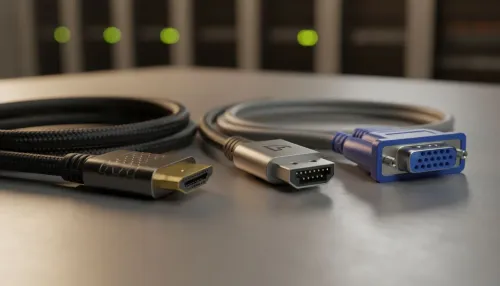
Wired Ethernet is non-negotiable for reliable streams. If you must use Wi‑Fi, put your laptop on a 5GHz band and check interference. Consider a simple QoS rule on your router to prioritise streaming uplink when others in the house stream or game. Twitch and streaming platforms stress stable upload speed over peak throughput; run repeated speed tests before a session (Ookla Speedtest and Twitch guidance).
Optimise upgrade path: when to pick a new laptop
If your laptop struggles despite tweaks, it might be time to upgrade. For South African gamers, balance CPU cores and a modern mobile GPU. Start with gaming laptop deals that pair strong GPUs and good thermals—Evetech has curated options for different budgets (see best gaming laptop deals) (https://www.evetech.co.za/best-gaming-laptop-deals/l/1468.aspx). If you need sustained encoding and multitasking, consider workstation laptops with heavier cooling and ECC options (https://www.evetech.co.za/workstation-laptops/l/621.aspx).
Practical checklist before you go live
- Switch to wired Ethernet; test upload stability.
- Use NVENC or equivalent hardware encoder in OBS (NVIDIA docs).
- Close background apps and set power plan to High performance.
- Keep OBS, GPU and chipset drivers current.
- If CPU or thermals throttle you, consider a laptop from Evetech’s curated ranges.
Ready to Find Your Perfect Match? The Mac vs Windows debate is complex, but for maximum power, choice, and value in South Africa, Windows is hard to beat. Explore our massive range of laptop specials and find the perfect machine to conquer your world.
Yes, but you must optimize your laptop for streaming by lowering in-game resolution and closing background apps to ensure smooth encoding without overheating.
Use the Auto-Configuration Wizard or manually set output resolution to 720p/30fps to reduce CPU load on mid-range laptops while maintaining clarity.
Connect via Ethernet for stability, update GPU drivers, and lower in-game graphics settings to prioritize stream stability over ultra-high visuals.
Yes, enabling Windows Game Mode allocates more system resources to your game and broadcasting software, improving overall performance and reducing stutter.
Both matter, but using NVENC (GPU) encoding is usually better for laptops to offload work from the CPU, allowing for smoother gameplay while broadcasting.
16GB is the recommended sweet spot for multitasking between the game, chat, and broadcasting software like OBS or Streamlabs.
Related Articles