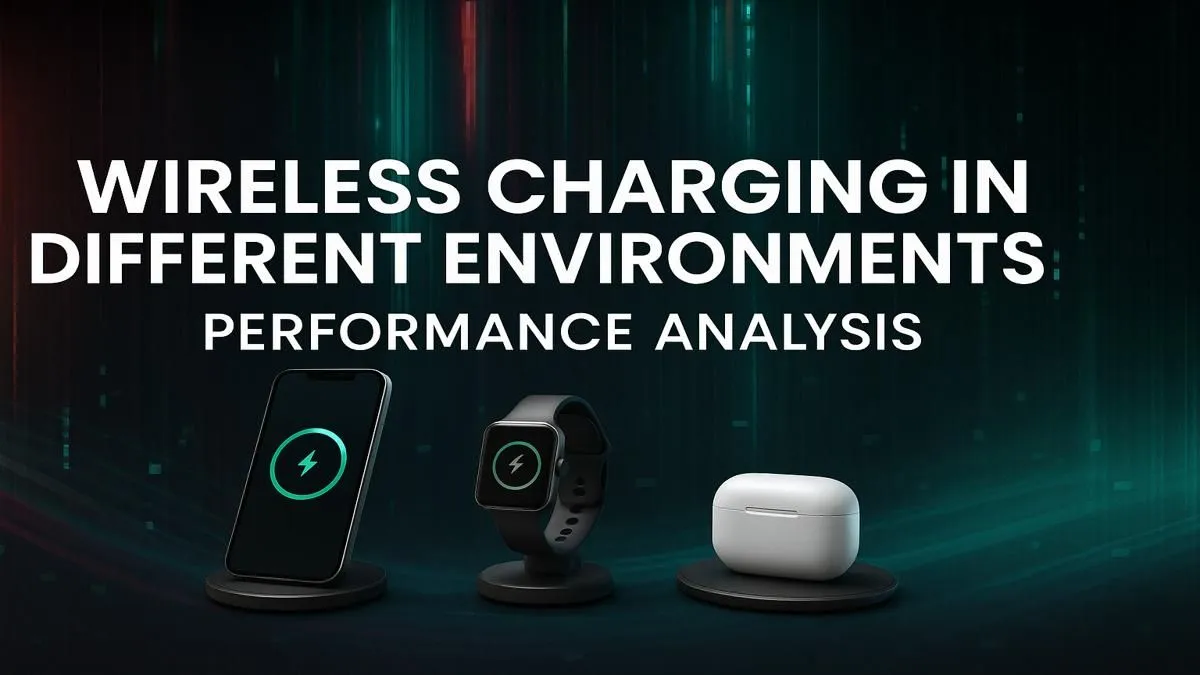
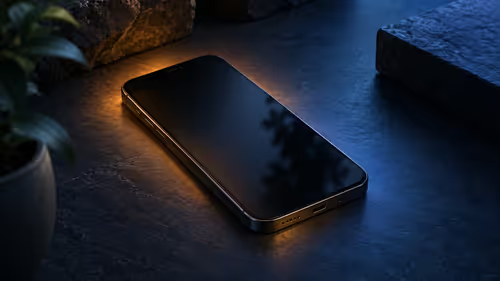
Ever plonked your phone on its wireless charger, expecting a full battery, but woke up to a disappointing 50%? It’s a common frustration in Mzansi. Before you blame the device, look around. The secret to consistent wireless charging performance often lies in your immediate environment. From a sunny spot on your desk to the type of case on your phone, several factors can secretly sabotage your charge. Let's get it sorted.
What's Slowing Down Your Wireless Charging Performance?
The magic of wireless charging is convenient, but it's also sensitive. Two main environmental culprits are likely slowing you down.
Heat: The Silent Killer 🌡️
Lithium-ion batteries, found in your smartphone and most electronics, hate excessive heat. When they get too warm during charging, both the phone and the charger's built-in safety systems will deliberately slow down the charging speed to prevent damage. A charger sitting in a warm spot or basking in a sunbeam through your window is a recipe for a slow, inefficient top-up. This is a major factor affecting your wireless charging performance, especially during a South African summer.
Obstructions & Misalignment
Wireless charging works via magnetic induction. Anything that gets between the coils in the charger and your phone can weaken this magnetic field. Thick phone cases (especially those with metal plates or magnet mounts), pop sockets, or even just placing the phone slightly off-centre can drastically reduce efficiency. A poor connection means slower charging and more wasted energy as heat... which, as we've learned, also slows things down. Ensuring your charger is part of your core setup of essential gaming accessories means choosing one that can handle your daily use.
How to Optimise Your Charging Environment
Fortunately, improving your charging speed is often simple and costs nothing. A few small adjustments to your setup can make a world of difference.
Location, Location, Location
This one's easy. Keep your wireless charger in a cool, well-ventilated area. Avoid placing it on other electronics that generate heat, like a Wi-Fi router or right next to your PC's exhaust fan. A cool surface and good airflow help the charger and your phone dissipate heat, maintaining faster charging speeds for longer.
Case Check Pro Tip ⚡
wireless chargers work best with cases thinner than 3mm. Before buying a new case, check its specs for "Qi-compatibility." If your phone is charging slowly, the first test is simple: take the case off. If the speed improves dramatically, your case is likely the culprit.
The Right Gear for the Job
Not all chargers are created equal. A cheap, uncertified charger might promise fast speeds but often has poor heat management and less forgiving coil placement. Investing in a quality wireless charger from a trusted brand ensures you get consistent power, better safety features, and ultimately, the performance you expect.
Power Bricks and Brands You Can Trust ✨
The wireless pad is only half the story. The power adapter you plug into the wall is just as important for good performance.
Using that old 5W brick from a phone you had five years ago will severely bottleneck your new, fast wireless charger. To get 10W or 15W wireless charging, you need a wall adapter that can supply enough power, ideally one with Quick Charge (QC) or Power Delivery (PD) technology.
This is where reputable brands make their mark. They invest in the R&D to ensure all their components work together flawlessly. If you're tired of the guesswork, it's worth exploring Promate's range of reliable chargers to find a certified solution. When you check out Promate chargers and other top brands, you're investing in reliability and peace of mind.