Privacy screens are cut for a display shape, not merely a number printed on a laptop box. Choosing a 15.6-inch 16:9 privacy filter means confirming diagonal and proportion together; another 15.6-inch panel can still require a different outline.
Quick Answer
Match a privacy filter to both the 15.6-inch diagonal and the 16:9 aspect ratio. The Laptop Privacy Screen Protector Filter - 15.6in costs R299 and adds anti-spy plus anti-glare functions to that exact format. If either screen value differs, select an accessory designed around the other display.
📐 Two measurements answer different questions
Diagonal size runs from one corner of the display to the opposite corner. Aspect ratio describes how the width relates to the height. A 16:9 panel is a widescreen shape, so it cannot be selected reliably from the diagonal label alone.
Check the laptop's official display specification or its operating-system information before measuring anything manually. Write down the panel size and ratio as separate lines. If the ratio is missing, use the native resolution only as a route to identifying the shape, not as permission to guess the accessory fit.
For broader setup items, visit the Evetech gaming accessories range with those notes available. This simple habit prevents the filter search from drifting toward generic size labels.
🖥️ Compare the active area, not the lid
The laptop's external width includes bezels and chassis edges. A privacy filter works with the visible display area, so a ruler across the closed lid does not provide the same information as the panel specification. Rounded corners, webcams and surrounding trim also make chassis-based guesses unreliable.
Do not buy a larger protector with the plan to cut it down. Trimming can interfere with its construction and makes alignment a homemade experiment. It is cleaner to choose a format created for the screen, then follow the fitting guidance for that exact product.
🔍 Check function only after fit
Once the 15.6-inch 16:9 match is secure, assess the anti-spy layer with safe sample content. Face the display normally, then move to the adjacent seats and note how readily headings or spreadsheet cells can be read. The exercise maps real positions without pretending that every filter shares one numeric angle.
Return to the central seat for the anti-glare test. Turn the laptop relative to a window or lamp and observe whether reflections become less intrusive. Side privacy and glare control are distinct, even though they sit in the same R299 accessory.
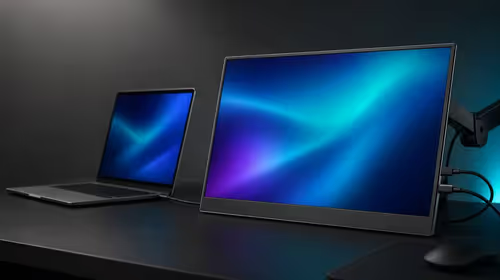
The Evetech monitor accessories collection is the logical place to compare other display-focused options. Filter that choice by physical compatibility before features or price.
🧾 Use a compact compatibility card
Create a note containing the laptop model, 15.6-inch diagonal, 16:9 ratio and the workspaces where the filter will be used. Add the main reason for buying: side-view reduction, reflection control or both. This card turns a vague search into a few verifiable decisions.
R299 provides a clear benchmark for the matching format. A lower or higher price does not rescue an incorrect ratio, and a stronger feature list cannot correct a shape mismatch. Fit therefore comes first, followed by the behaviour that matters at the desk.
After placement, inspect every edge and test the laptop lid through its normal range carefully. The aim is a usable central view and useful off-centre privacy without forcing the accessory into an unsuitable outline. Recheck after moving desks.
Correct fit unlocks the rest of the design. On a 15.6-inch 16:9 panel, the filter can restrict the viewing field to the frontal position, reduce reflections and protect against scratches, dust and oil marks. Its thin build avoids excessive device weight, and easy attachment or removal supports a laptop that moves between open public seating and private work areas.
Measure the active screen area rather than assuming two laptops with the same marketing size share identical borders.
Frequently Asked Questions
Is the 15.6-inch label enough to choose this filter?
No. The laptop must also have a 16:9 aspect ratio. Those two values work together to describe the intended screen format.
Can two laptops share a diagonal but use different shapes?
Yes. A diagonal class does not guarantee identical width-to-height proportions, which is why the ratio needs its own check.
Should I trim a protector that is too large?
Choose a correctly designed format instead. Cutting turns fit into an uncontrolled modification and may affect how the privacy layer behaves.
What comes after the compatibility check?
Evaluate anti-spy performance from real side seats and inspect glare from the main working position under typical room lighting.
Ready to stop guessing from the diagonal alone?
Record the full display format, then compare appropriately shaped laptop and monitor accessories with Evetech.