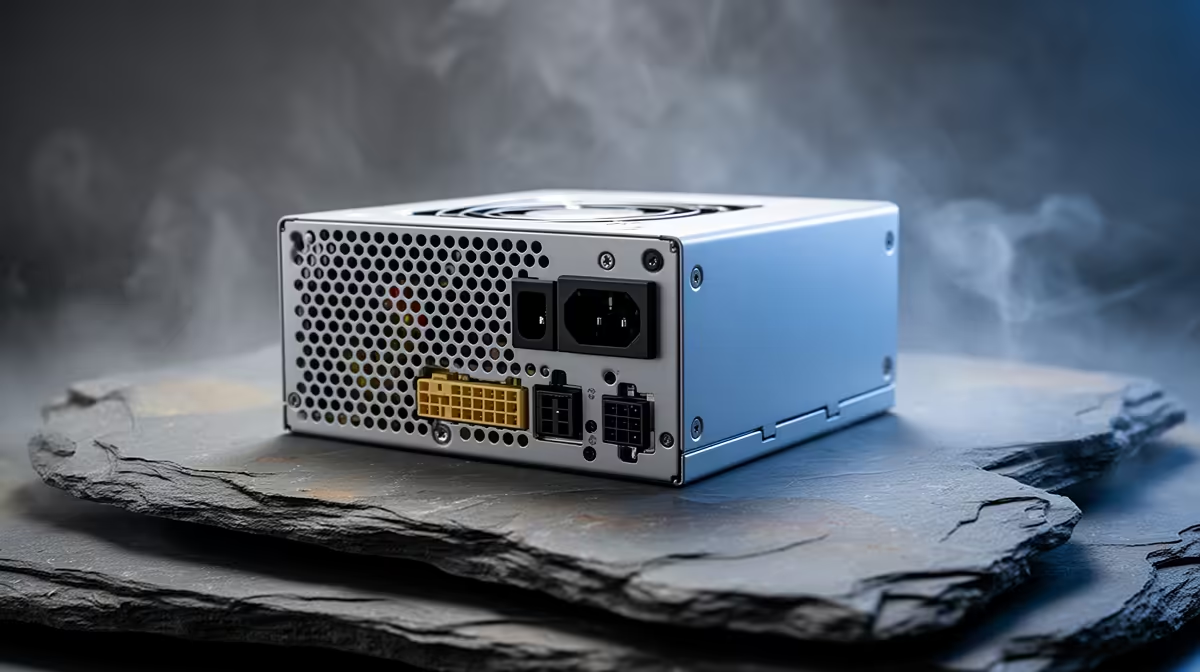
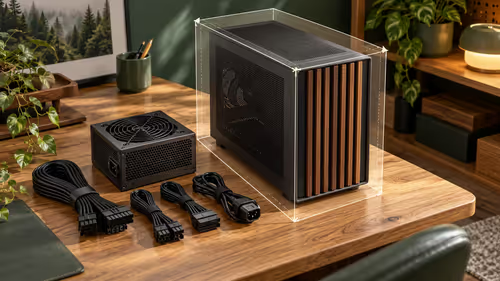
A 750W power supply is usually more than enough for research and writing, but wattage alone does not determine suitability. A basic office computer draws far less, while data analysis with a powerful graphics card can change the requirement. Select capacity from measured components and planned upgrades.
Calculate the real system load
List the processor, graphics card, drives, add-in cards and external powered devices. Use manufacturer guidance for peak demand, then allow sensible headroom. Verify connector type, cable length, chassis fit and protection features. Quiet fan behaviour matters in a writing room more than an oversized number on the label.
Research computers often remain quiet for long reading periods, so low-load fan noise deserves attention. If the power unit runs efficiently only at higher demand, another capacity may fit better. Compare warranty length and service process alongside the electrical specification.
The DeepCool PF750 750W PSU is verified at R550. The Cooler Master Elite 850W Gold ATX 3.1 PSU is verified at R930. Confirm efficiency, connectors, warranty, platform compatibility and current stock before purchase.
For ordinary documents and browser research, a smaller quality unit may be appropriate if available. Never reuse an unknown modular cable from another PSU. Keep irreplaceable work backed up because even excellent power hardware cannot protect against deletion or drive failure.
Powering a dependable research PC? > Compare Evetech PSUs by quality and connector support.