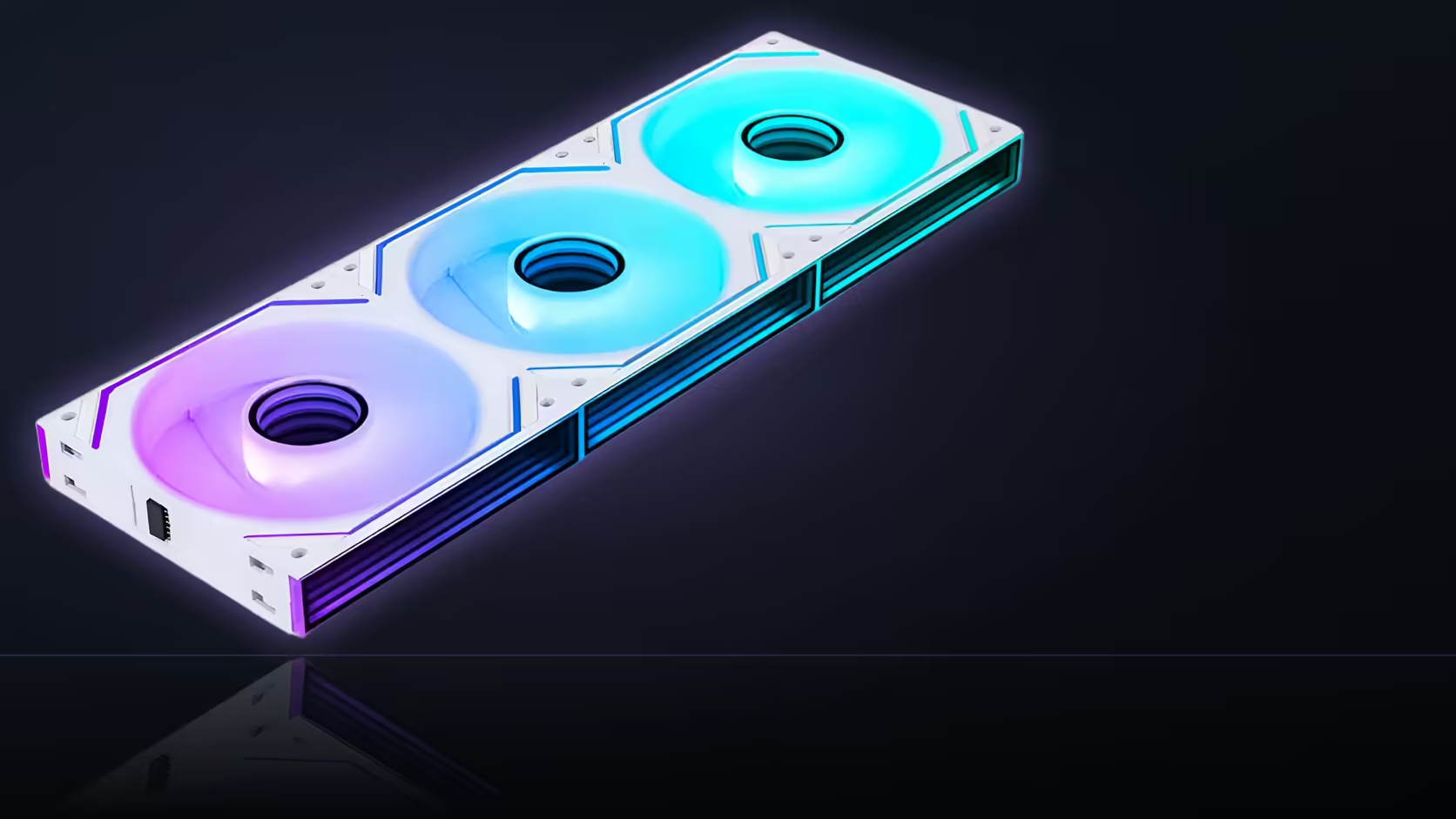
Buying a fan for how it looks is not wrong, but it is only half a decision. Somewhere between admiring the glow and reaching for checkout, it is worth pausing to ask what the fan actually moves, because a beautifully lit fan sitting in an intake position still has real thermal work to do whether you remembered to check that figure or not.
Quick Answer
AsiaHorse's Dawn Pro lists 71 CFM of airflow directly alongside its infinity-mirror ARGB lighting design, and both figures deserve a look before purchase, not just the visual one. R269 buys a single fan, R699 the three-pack, VAT-inclusive figures, and a fan doing genuine intake or exhaust duty still needs to move air properly even if it also happens to look striking behind glass.
🌬️ Where airflow actually matters most
Intake and exhaust positions are where a fan's job is to move air through the case rather than simply stirring it in place. These are the positions where the 71 CFM figure has real functional consequences, since it is the number that describes how effectively the fan clears heat out of, or draws fresh air into, the system.
💡 Where lighting visibility matters most
Positions a side window actually shows are where lighting earns its keep visually, and those positions often overlap with intake fans mounted behind tempered glass, but not always. A top-mounted exhaust row, for instance, is frequently just as visible from above on an open desk as a front row is through the side.
📊 What Dawn Pro states for airflow
71 CFM appears directly in the product names for this range, alongside the bearing and lighting specifications, so it is not a hidden figure, just one that is easy to skim past in favour of the lighting description sitting right next to it.
🎯 Is buying purely for looks ever reasonable?
In a position doing genuinely negligible cooling work, yes, though those positions are less common in practice than they might first appear. Most fan slots in a standard case layout contribute at least some airflow to the overall thermal picture, even ones primarily chosen for their visual placement. Filters and mounts from case accessories round out either kind of position once the fan itself is decided.
Does the lighting itself reduce airflow?
The lighting components sit in the fan's frame and central hub rather than in the blade path itself, so it is blade design and motor performance that determine airflow, not the presence of ARGB lighting.
⚖️ Should every position use the same fan?
Matching models generally looks better where fans are actually visible together, while hidden positions can run cheaper, unlit fans without anyone noticing the difference, freeing up part of the budget for the row that people will actually see.
One more thing worth checking: blade direction
Reverse-blade versions are described as suited to intake setups where the fan's rear face ends up on show, so checking blade direction against your intended mounting position is worth doing alongside the airflow figure itself.
Frequently Asked Questions
Which fan positions need airflow the most?
Intake and exhaust, where the fan is actively moving air through the case rather than simply stirring air within one enclosed area.
Where does lighting visibility matter most?
Positions a side window actually shows, which often overlap with intake positions but not always, particularly with top-mounted rows.
What airflow figure does Dawn Pro list?
71 CFM, stated directly in the product names alongside the bearing rating and the infinity-mirror lighting description.
Can a fan reasonably be bought for looks alone?
In a position doing genuinely negligible cooling work, yes, though such positions are less common in a typical case than they first appear.
Does the ARGB lighting reduce the fan's airflow?
No, the lighting sits in the frame and hub rather than the blade path, so blade design determines airflow independently of the lighting.
Should every fan in a build be the same model?
Matching fans generally looks better in visible positions, while hidden positions can use cheaper, unlit fans without any visible difference to a viewer.
What else is worth checking beyond airflow and lighting?
Blade direction, since the reverse-blade versions are built for intake setups where the fan's rear face ends up visible.
Buying fans for a build that needs to look good and actually cool well?
Check Evetech's case fan range to weigh airflow against lighting before you decide.