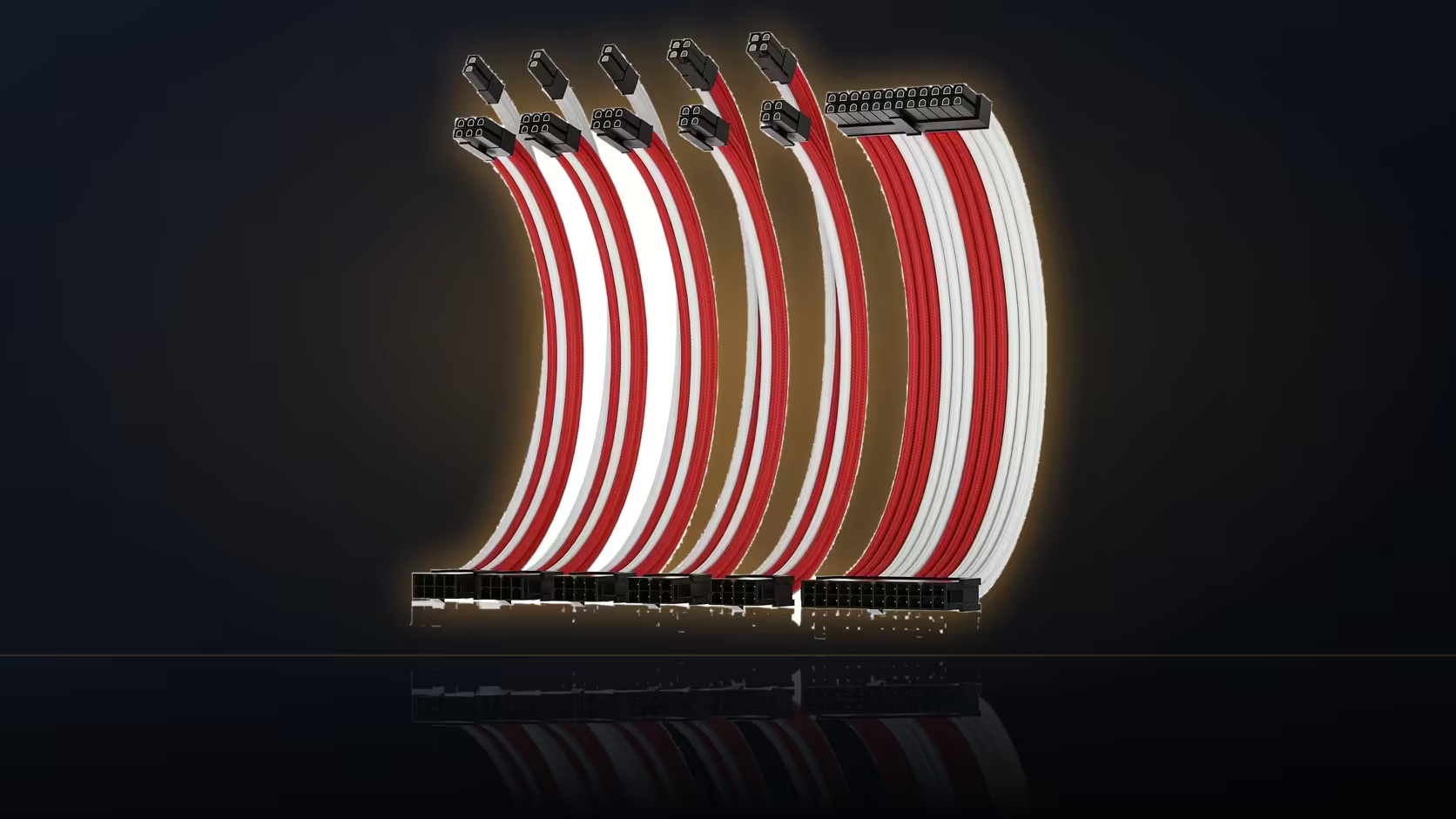
A six-cable kit fitted from end to end does not dress one continuous zone of a case - it spans two edges of the motherboard that behave completely differently from a routing perspective, plus the card itself below. Treating that whole job as a single routing task is exactly why top runs so often end up looking rushed.
Quick Answer
The board lead enters at the side edge while the processor leads reach the top. A full six-piece fit spans two very different parts of the layout, each with its own routing problem. Treating them as one job is why top runs look rushed.
🧭 Two edges, two entirely different constraints
The board lead enters at the side of the tray and travels a comparatively long, open, and usually fully visible path to the 24-pin socket. The two processor leads, by contrast, reach up to the top edge of the board through a run that is short, often genuinely cramped, and frequently shaded from clear view by whatever cooler is mounted over the processor. Approaching both edges with the same routing mindset, the way a builder might if they treat the whole job as one undifferentiated task, is a common cause of a rushed-looking top corner sitting beside a perfectly tidy side run.
🏆 Why the top edge is almost always the harder one
The top run wins the contest for hardest edge to dress well, nearly every time, purely because of the combination of limited working space and poor direct visibility once a cooler is mounted. It is the run most likely to end up looking untidy on an otherwise carefully finished build - not because it demands different skill, but because it genuinely offers less room to work with and less opportunity to see what you are doing while working.
🎮 A third zone the card adds
The card itself introduces a third distinct routing zone along the lower part of the case interior, meaning a full six-lead fit genuinely involves navigating three separate areas with three separate sets of constraints, rather than one continuous job that happens to use six cables. Recognising all three zones as distinct problems from the outset, rather than discovering the differences mid-job, produces a noticeably more consistent result across the whole build.
🗺️ A sensible order and what varies between zones
Starting with the top run while access is at its clearest - typically before the cooler is fully assembled - then moving to the side run, then finishing with the card leads last, tends to produce the fewest reworks across the whole job. Comb spacing consistency across all three zones is a nice-to-have rather than a strict requirement: the top run is frequently too short to accommodate more than a single comb regardless of intent, so match what the available length actually allows rather than forcing a spacing scheme that does not fit. Most cases provide genuinely separate cutouts for the top and side runs too, rather than a single shared opening, which is exactly why each edge needs its own independent plan rather than a shared one - and every piece in the kit still only adds a fixed 30cm regardless of which edge it is serving, so each zone gets an identical length allowance no matter how differently far its socket happens to sit from its opening. A scroll through cable solutions shows what else this kit's category includes, while a demanding top-edge layout beyond 30cm is a job for individually sleeved premium cables instead.
Frequently Asked Questions
Why treat the two edges separately?
They have different constraints. The side run is long and visible, while the top run is short, cramped and often shaded by the cooler.
Which edge is harder to dress well?
The top, almost always. Limited space and poor visibility make it the run most likely to end up untidy on an otherwise good build.
Does the card add a third area?
It does, along the lower part of the case, which is why a six-lead fit involves three distinct routing zones rather than one.
Should the same comb spacing apply everywhere?
Consistency helps, but the top run is often too short for more than one comb, so match what you can rather than forcing it.
Is there an order that works best?
Starting with the top run while access is clearest, then the side, then the card runs, tends to produce the fewest reworks.
Do all six leads use the same openings?
Rarely. Most cases provide separate cutouts for the top and side runs, which is why each edge needs its own plan.
What length is available for each run?
Every piece adds 30cm, so each edge gets the same allowance regardless of how far its socket sits from the opening.
Planning a full six-lead route across your board?
Browse Evetech's power supply range and plan each of the three zones separately before fitting a single cable.