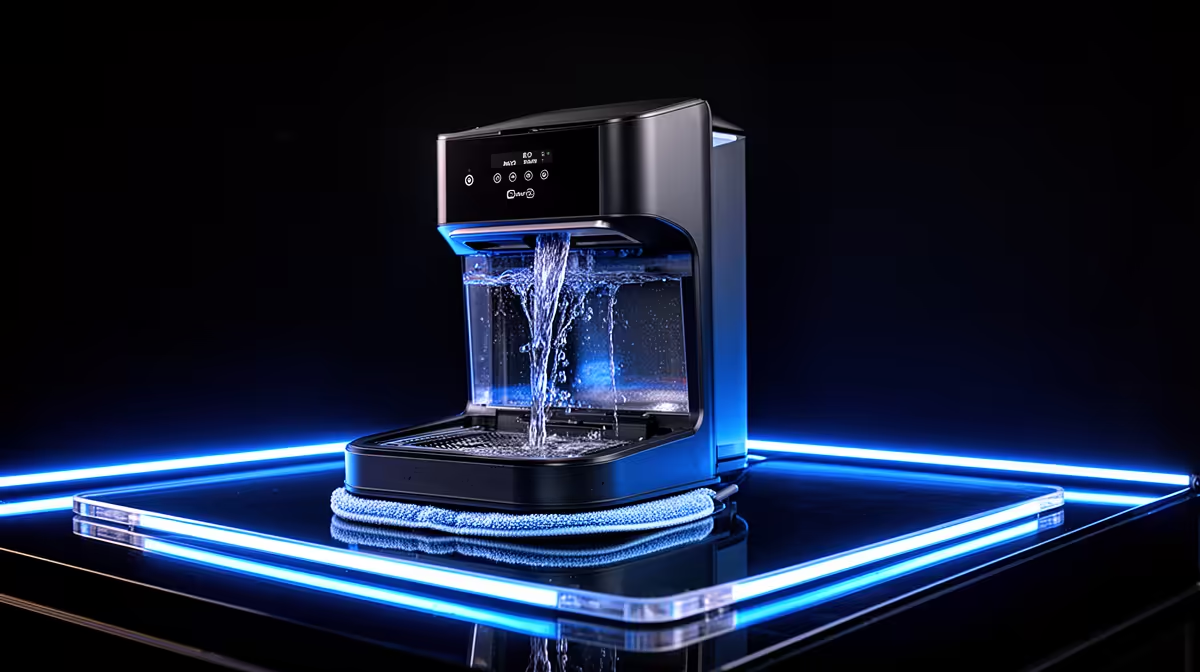
The single biggest gripe owners had with early robot mops was the smell: damp pads left sitting overnight grow musty fast, and you end up smearing that odour across the floor the next day. The modern all-in-one robot dock kills that complaint by rinsing the mop pads after every clean, often with hot water, then blow-drying them so nothing stays wet long enough to turn. It turns a chore you used to do by hand into something the machine handles itself.
Quick Answer
An all-in-one dock automatically washes the mop pads after each clean, frequently using hot water around 100 degrees Celsius, then dries them with warm air to stop mildew and odour. Flagship docks add self-emptying dust collection and clean-water refills, so the robot maintains itself for weeks at a time.
What the Dock Does After Every Clean
When the robot finishes mopping, it returns to the dock and the real work begins. The dock floods the pads with water and scrubs them against a ridged tray, lifting out the grime the mop picked up off your floors. On flagship units that rinse water is heated, often to around 100 degrees, which shifts greasy residue and sanitises the pads far better than a cold rinse ever could.
Then comes the part that solves the smell. The dock blows warm air across the freshly washed pads to dry them, so they are not left damp between sessions. A dry pad cannot grow the mildew that causes that musty kitchen-cloth odour, which is exactly why this feature exists and why it is worth paying for.
Why Hot Water and Drying Matter Together
Hot washing and warm drying work as a pair. Hot water cleans the pad properly so there is less trapped grime to start with. Drying then makes sure whatever moisture remains evaporates before bacteria and mould can take hold. Skip either step and the benefit drops away, which is why the better docks pair them rather than offering one alone.
The practical result is a mop that is genuinely clean each time it sets off, instead of a pad that gradually gets dirtier and smellier across the week. You stop noticing the floors at all, which is the whole point of automating the job.
The Rest of the All-in-One Toolkit
Pad care is only one part of what these docks handle. Most flagship models also empty the robot's onboard dustbin into a large bag in the dock, so you go weeks before touching dust, and many refill the robot's clean-water tank automatically from a reservoir in the base. Some add separate compartments for cleaning solution. Together these turn the robot into something that truly looks after itself between deep cleans, and the current range sits in the smart home and appliances section if you want to compare dock features side by side.
Frequently Asked Questions
Does the dock really stop the musty smell?
Yes, that is its main purpose. By washing the pads after every run and drying them with warm air, the dock prevents the damp, stale conditions that cause the odour in the first place.
How hot is the wash water?
On flagship docks the wash water is heated to around 100 degrees Celsius. That heat cuts through greasy residue and sanitises the pads far more effectively than a cold rinse.
How often do I need to empty the dock?
It depends on the model and your floors, but docks that self-empty dust into a bag commonly run for several weeks before the bag needs changing. You still top up the clean-water reservoir more often.
Do all robot mops have this feature?
No. Pad washing and drying is a flagship feature. Budget mops simply use the pad until you wash it yourself, which is where the smell problem comes from, so check the dock specification before buying.
Is the hot-water dock worth the extra cost?
If you mop often and hate the maintenance, yes. The combination of hot washing and warm drying removes the most tedious part of owning a robot mop, which is the recurring reason people pay the premium.
Want a robot mop that cleans up after itself? Browse the robot vacuum range and pick up replacement pads and filters from the appliance accessories best sellers to compare docks with hot-water washing and drying, all in stock and priced in Rand.