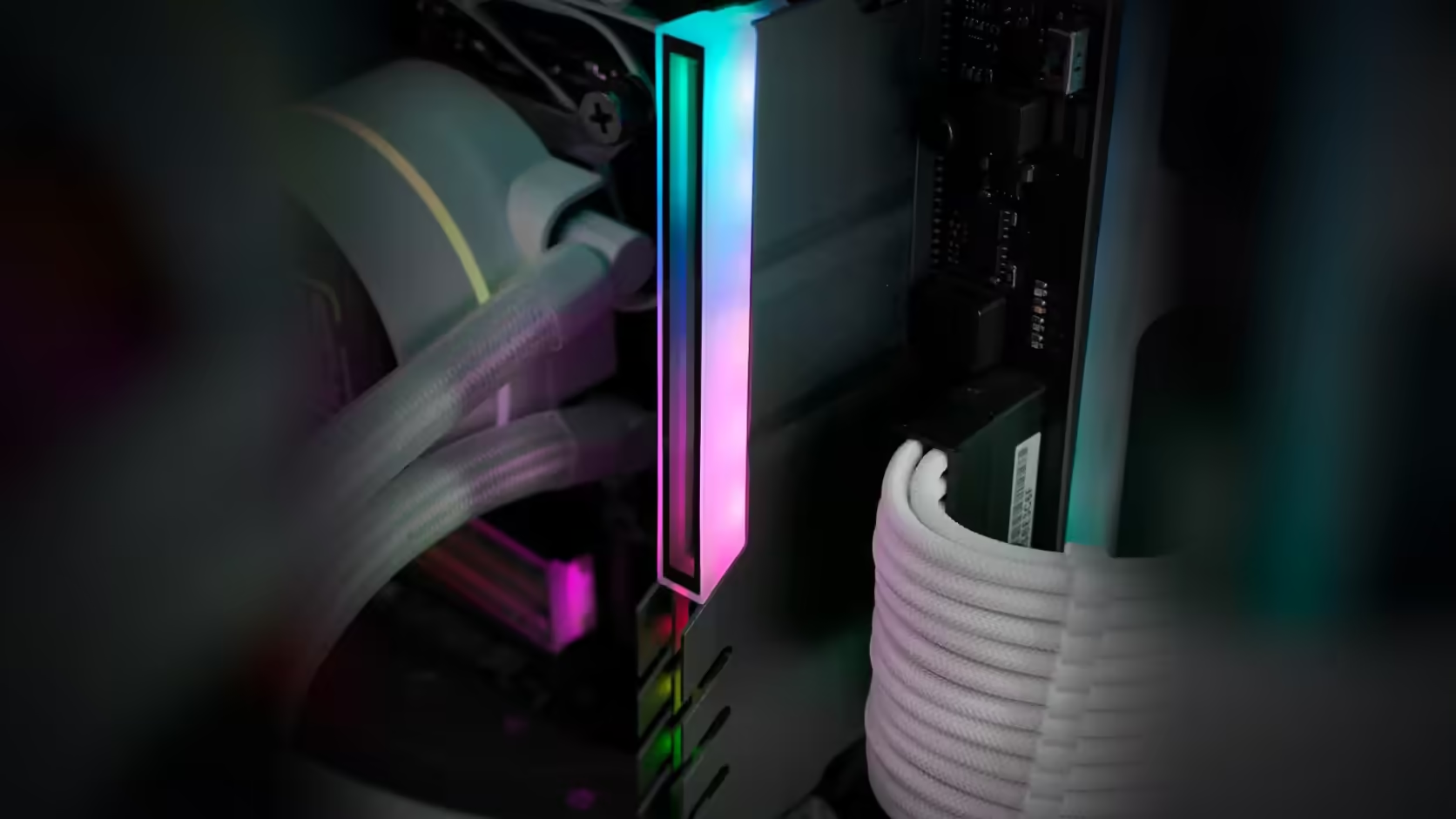
There is a tendency to treat any accessory with a cable as one job rather than two, but a RAM cover actually splits cleanly in half: fitting it to the memory, and wiring its lighting into the rest of the build. Neither step waits on the other, which makes planning an install far less fiddly than it first appears.
Quick Answer
They do not. Clipping an AsiaHorse RAM Cover ARGB Heatsink onto a memory module and wiring up its lighting are two separate operations, and the R249 price covers both without requiring either to happen first. The lead has male and female ends purpose-built for chaining, so a cover can sit mechanically in place, fully fitted, for as long as needed before its lighting run is ever planned or connected.
🧰 Two steps, in either order
Physically, the cover sits over the module without needing power or a connection of any kind - it is held mechanically rather than plugged in to work as a cover. Lighting is entirely separate, added or left out at your convenience once the mechanical fit is settled. That separation means a rushed install does not have to compromise on the wiring, and a careful wiring plan does not have to hold up getting the covers fitted.
🧩 Why fitting first usually makes sense
Planning a lighting chain before the covers are physically in place means guessing at cable lengths and routes for parts that have not been installed yet. Fitting the covers across whatever slots are populated, then working out how the chain reaches the board from where they actually sit, tends to produce a tidier result than trying to plan blind.
What chaining changes about the wiring
Every device on a chained run draws power from the same header, so before linking several covers together it is worth a rough check of what the header can supply against everything else already sharing it. The lead's male and female ends allow the chain to include other addressable devices too - a cover does not need its own dedicated header if fans or strips already share one nearby.
🔁 Planning for future changes
If a module is ever removed for an upgrade, its cover comes off with it, and the chain has to be rejoined at that point. Leaving a touch of slack in the run when it is first wired makes that later disconnection and reconnection far less fiddly than a chain pulled taut from the start.
Whether the board is running DDR5 or DDR4, the fit-then-wire sequence works the same way either side of that divide.
Frequently Asked Questions
What does the lead's arrangement allow?
Male and female ends let covers connect to each other, so a row reaches the board through a single run.
Does the cover have to be lit to fit?
No. The cover sits on the module mechanically, so lighting can be connected later or left unconnected entirely.
Which order is easier?
Fitting the covers first, then planning the chain across them, since the route depends on where the covers end up.
Does chaining affect the header load?
Every device on a chain draws from the same header, so the total is worth checking against what the board supplies.
How many covers can chain together?
The lead supports chaining, though what a header can carry is governed by the board rather than by the cover.
Can the chain include other devices?
Addressable devices share the connection type, so a cover can sit in a run alongside fans or strips.
Fitting covers across a full row and want the wiring planned properly?
Check Evetech's DDR4 and DDR5 memory range before you start chaining the lighting together.