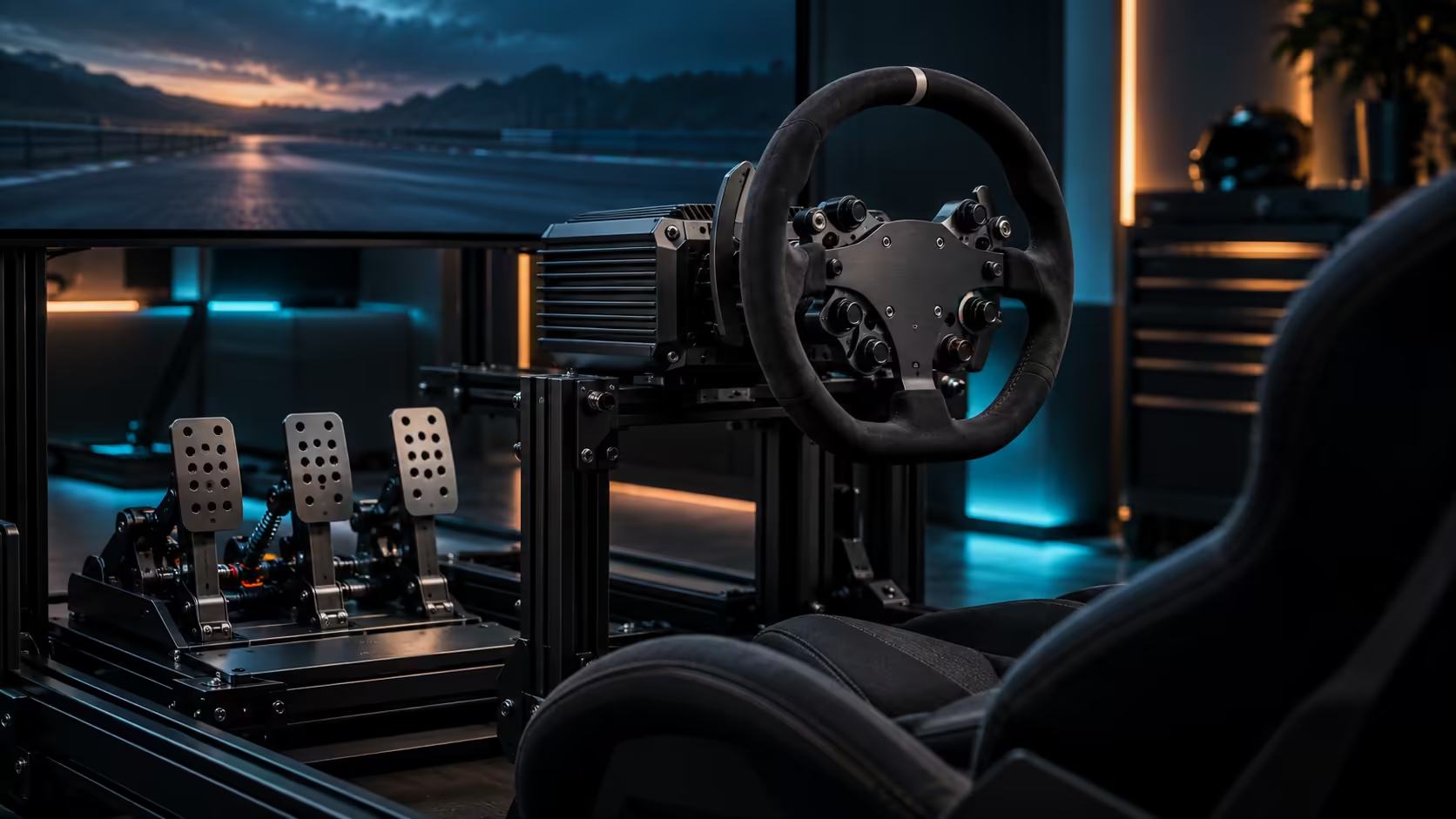
A fixed pedal set was built around someone's average leg length, and yours is only average by accident. Adjustable sim racing pedals move the plate to match your body instead of the other way round, and for most drivers that one difference outranks anything a sensor upgrade could offer.
Quick Answer
Choose adjustable pedals unless your leg length, seating position and desk height happen to match a fixed set's one configuration exactly. The P700 pedals inside the R14,999 Green Flag bundle carry 35 adjustment points across plate height, angle and spacing, which covers a far wider range of drivers than a single fixed layout ever can.
🔧 What fixed pedals actually save you
A fixed layout is simpler to manufacture and usually cheaper for that reason, and if your setup happens to match its default spacing and angle within a centimetre or two, there is genuinely nothing to gain from paying for adjustment you will never use. The trade-off shows up the moment your seating position changes, whether that is a new chair, a different desk height, or simply a second person in the household who wants to drive.
Fixed pedals also travel and store more predictably, since there is nothing to knock out of position between sessions, which matters if the rig gets packed away and set up again within the same 24 hours rather than left permanently in place.
🎛️ What adjustment actually buys you
Plate height changes your ankle angle, which is the single biggest factor in whether long sessions feel fine or start aching around the calf and shin after 20 minutes. Plate angle and spacing then fine-tune how your foot naturally rests, rather than forcing your foot to find the pedal's position.
The practical benefit compounds with a load cell brake specifically: a plate at the wrong height changes the angle you push into the sensor, which changes how consistent your braking pressure is lap after lap. Getting the geometry right first makes every later calibration setting more reliable, because you are no longer fighting the pedal's position on top of learning the sensor.
🏠 One household, more than one driver
If more than one person uses the rig, adjustment stops being a comfort preference and becomes the difference between a pedal set that works for everyone and one that only really suits whoever set it up first. A shared gaming setup benefits from adjustable geometry the same way a shared office chair benefits from a height lever, and resetting 35 points back to a saved position takes moments once you know your own numbers.
Check the simulation accessories range for the mounting hardware that keeps an adjustable plate from drifting once it is set, since adjustment only helps if the position holds through a race rather than shifting under a hard brake.
Frequently Asked Questions
Is adjustment worth paying extra for?
For most drivers, yes, because leg length and seating position vary enough that a fixed layout rarely suits everyone. If your setup is fixed and unlikely to change, the saving is real.
Does plate height matter more than plate angle?
Height affects ankle comfort over a whole session, which tends to matter more day to day. Angle then fine-tunes how naturally your foot sits once height is right.
Can adjustment settings be saved for multiple drivers?
The racing simulation range lists pedal sets with marked or logged adjustment points specifically so a second driver can return the plate to their own setting quickly.
Does adjustable geometry improve braking accuracy?
Indirectly, yes. The right ankle angle makes it easier to apply consistent pressure into a load cell sensor, which is what actually improves braking accuracy.
Ready to stop adjusting your body to fit the pedals?
Measure your own comfortable ankle angle first, then set the plate to meet it.