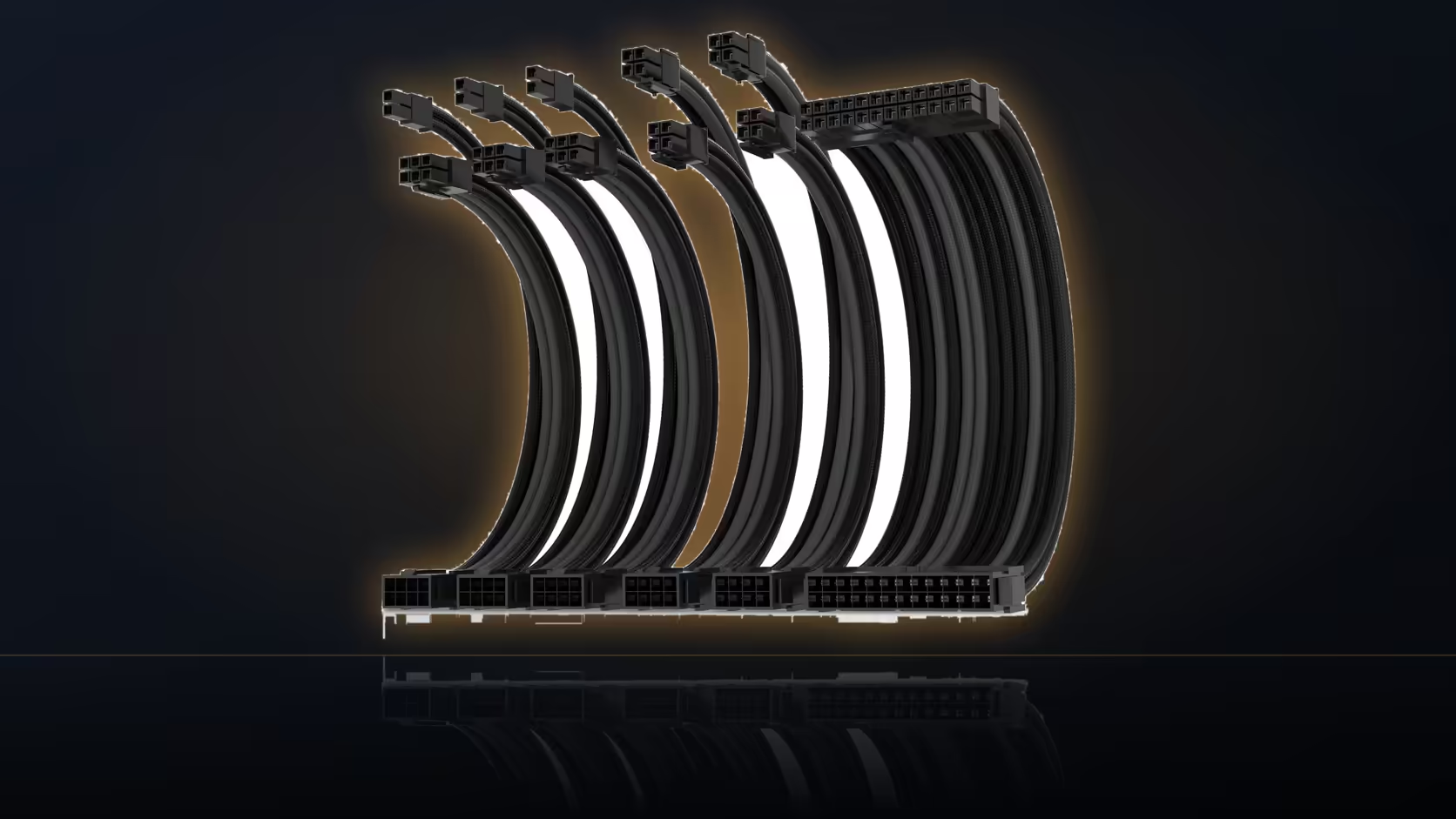
Two parallel GPU power leads can look perfectly fine sitting side by side almost by accident, with nothing to compare them against and nowhere for a slight inconsistency to reveal itself. Add a third, and the whole picture changes - the eye suddenly has something to measure the other two against.
Quick Answer
Two parallel runs can look fine by accident, but a third makes any inconsistency in the gaps obvious. Three cables are judged as a group. That is why the third card lead usually prompts a rethink of the spacing that seemed acceptable when only two were fitted.
🔢 Why a third cable fundamentally changes the judgement
With only two cables running in parallel, there is exactly one gap between them, and nothing else in the arrangement to measure that single gap against - it either looks reasonable in isolation or it does not. Add a third cable, and suddenly there are two separate gaps sitting side by side, and any difference between those two gaps becomes immediately, visibly apparent in a way a single lonely gap never reveals. This is precisely why spacing that seemed perfectly acceptable with only two leads fitted often prompts a genuine rethink the moment a third joins them.
🔄 The right way to fix uneven gaps
When gaps between three parallel cables look uneven, the correct fix is resetting the spacing across all three runs together as one coordinated adjustment, rather than nudging a single cable and hoping it resolves the visible inconsistency on its own. Spacing planned and set as a coordinated group is considerably easier to get genuinely right than spacing corrected piecemeal, one cable at a time, in response to how the previous adjustment happened to land.
📏 How comb position reinforces or undermines the grouping
Combs positioned at matching heights across all three runs actively reinforce the visual sense that the three cables belong together as a coordinated set, while combs staggered at inconsistent heights amplify any spacing difference between the runs rather than disguising it. This is a case where comb alignment is doing real visual work beyond simple tidiness - it directly shapes whether three cables read as a deliberate group or three separate, loosely related items.
🎯 Following real sockets rather than forcing symmetry
The gaps between three leads should generally follow wherever the actual card sockets happen to sit rather than being forced into artificially perfect equal spacing at any cost - cables bent sideways purely to achieve visually equal gaps tend to create a worse overall problem than the mild inconsistency they were meant to solve in the first place. It is also worth inspecting from a realistic distance before declaring a job finished: differences that stand out clearly with your face pressed close against the glass often disappear entirely at the normal distance a machine is actually viewed from day to day, so judge the final result from where the build will genuinely sit. This entire effect is measurably worse on the clear transparent finishes too - a translucent sleeve gives the eye an unbroken, continuous line to follow along each cable, so any inconsistency registers considerably faster on the clear series than it does against the more forgiving texture of dark woven braid. The same underlying principle applies far less strongly to the processor runs, since those tend to be considerably shorter and are frequently partly hidden by a cooler, leaving the eye much less opportunity to compare them against each other the way it naturally does with three fully exposed card leads. What else sits in this kit's category is on show at cable solutions, and spacing built to a precise custom match is a individually sleeved premium cables job.
Frequently Asked Questions
Why does a third cable change the judgement?
With two there is one gap and nothing to compare it against. With three there are two gaps, and any difference between them is visible.
What is the fix when gaps look uneven?
Reset all three rather than adjusting one. Spacing set as a group is far easier to get right than corrected cable by cable.
Does comb position affect the impression?
Strongly. Combs at matched heights across the three runs reinforce the grouping, while staggered ones amplify any spacing difference.
Should the gaps be equal or follow the sockets?
Follow the sockets. Cables bending sideways to achieve equal gaps create a worse problem than the one they were solving.
How close should I inspect?
From where the machine will sit. Differences visible with your nose against the glass often disappear at normal viewing distance.
Is this worse on the clear finishes?
Yes. A translucent sleeve gives the eye a clear line to follow, so inconsistency registers faster than it does on dark braid.
Does the same apply to the processor runs?
Less so, since those are shorter and usually partly hidden, which leaves the eye less opportunity to compare them.
Fitting a third GPU lead alongside two existing ones?
See Evetech's power supply range and reset all three runs together rather than adjusting one at a time.